



Marijuana Possession Arrest: What Happens After You Get Caught?
Let’s be real: love it or hate it, cannabis is still caught in a legal tug-of-war across the U.S. The relevance of a marijuana possession arrest is only rising, especially as old laws clash with new social acceptance and booming cannabis markets. If you ever find yourself—or someone you love—on the business end of a marijuana possession arrest, there are real-world consequences, confusion, and, believe it or not, some reasons for hope. In this article, we’re breaking down the facts about what happens after you get caught with weed, why these old-school laws still trip people up, and how changing attitudes could signal brighter days ahead.
The Shifting Legal Landscape: Why Marijuana Possession Arrest Still Happens
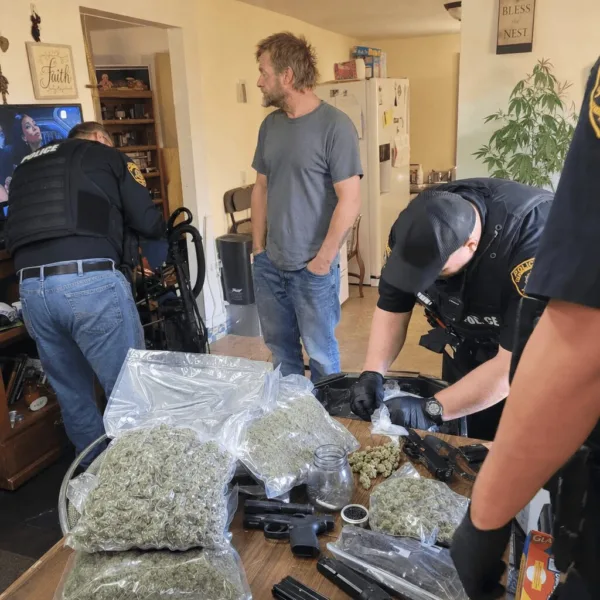
Despite sweeping cannabis reform across many states, marijuana possession arrest remains a reality for thousands. Why? Because federal law still classifies cannabis as a Schedule I controlled substance, and not every state has gotten with the times. According to NORML’s state-by-state review, there’s a patchwork of laws, with legal to severe penalties depending on geography. South Carolina, for example, hasn’t decriminalized simple possession, meaning even small stashes can lead to handcuffs. The ACLU reports striking disparities in enforcement, with Black Americans nearly four times more likely to face a marijuana possession arrest than their white counterparts, despite similar usage rates. Although market growth has been explosive, regulation has lagged behind, creating persistent confusion. Minnesota is one place where the retail cannabis landscape is shifting rapidly, as evidenced by how a former Burger King in Moorhead became a green retail hub, demonstrating how local business models are adapting to the evolving cannabis industry (learn more about Moorhead cannabis retail transformation).
Unpacking the Facts: Recent Marijuana Possession Arrest in South Carolina
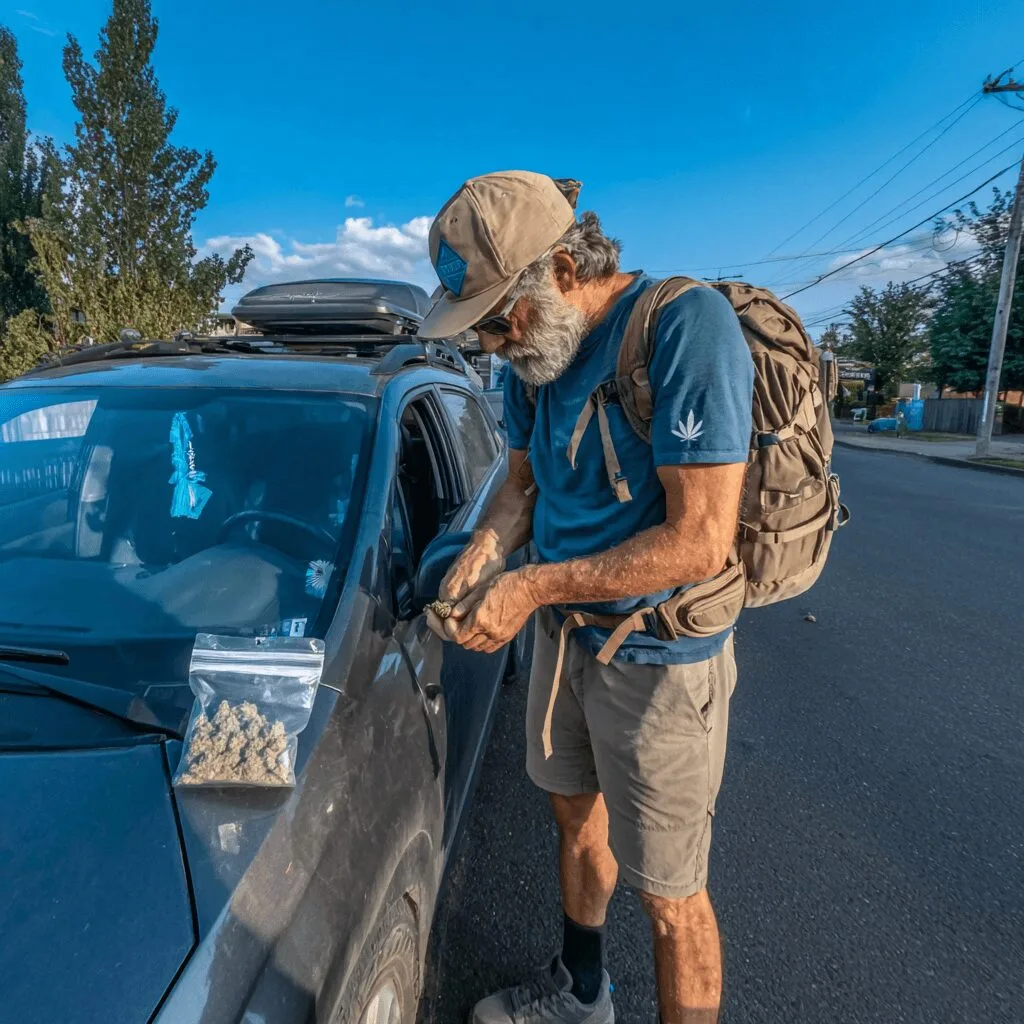
On June 27, 2023, The Times and Democrat reported a marijuana possession arrest in Orangeburg County, South Carolina. A middle-aged man was detained after law enforcement found a small amount of cannabis in a clear plastic bag on the hood of his parked car, an all-too-common scenario in places yet to embrace reform. As noted in the original Times and Democrat report, the incident began as a routine stop and escalated when officers spotted suspicious items near the vehicle. The man admitted the cannabis was his, leading to a citation for simple possession. Under South Carolina law, as stated by the statehouse’s controlled substances guidelines, simple possession is a misdemeanor, with first-time offenders facing up to 30 days in jail or a fine. While no violence or intent to distribute was alleged, the man entered the criminal system for mere possession. Such cases remain typical across the South, showing how even as entrepreneurs in other states celebrate new dispensary openings, some regions cling to old statutes (see how new dispensary openings reflect shifting policies elsewhere). These instances raise pressing questions about outdated legal frameworks, real consequences for ordinary folks, and the slow pace of reform even as national attitudes evolve.
Expert Analysis: The Bigger Picture, and Why the Punishment Doesn’t Fit the Crime—Marijuana Possession Arrest Trends
Let’s not sugarcoat it, a marijuana possession arrest for personal use feels painfully outdated, especially as legal cannabis shatters multi-billion dollar revenue records in places like Colorado and Illinois. According to the Cannabis Business Times, the industry is growing faster than some major technology sectors, underscoring how policy has lagged behind shifting public sentiment. “Penalizing adults for simple possession wastes law enforcement resources and disproportionately harms marginalized communities,” argues Erik Altieri, executive director of NORML. Experts note that criminalizing small-time possession does little to reduce use, but has major life-altering consequences for those charged. Science has revealed even broader potential benefits, as groundbreaking medical marijuana studies continue to reshape perceptions (latest findings on medical marijuana). Nuanced, community-based solutions are long overdue, especially with national support for legalization at more than 65 percent according to recent Gallup polling. Advocacy groups urge legal reform and public education to help reduce the harms associated with marijuana possession arrest cases until legislative changes catch up with modern views.
Looking Forward: Change Is Coming—Even If It’s Slow
While a marijuana possession arrest still carries legal and social risks in restrictive states, the tide is clearly turning. State after state is reviewing outdated penalties, and even federal lawmakers are warming up to reform—just look at the recent push for SAFE Banking legislation and potential rescheduling at the DEA (as covered by Marijuana Moment). Each arrest for simple possession adds fuel to the fire for advocates fighting for fair, sensible laws. As communities, courts, and local governments come to grips with the disconnect between policy and reality, we can expect more change on the horizon. The bottom line? With public support, mounting scientific evidence, and economic incentives lining up, the end of the marijuana possession arrest era might be closer than you think.
Originally reported by: thetandd.com


1 Comment
Pingback: Tallahassee marijuana trafficking: Major arrest shocks city