
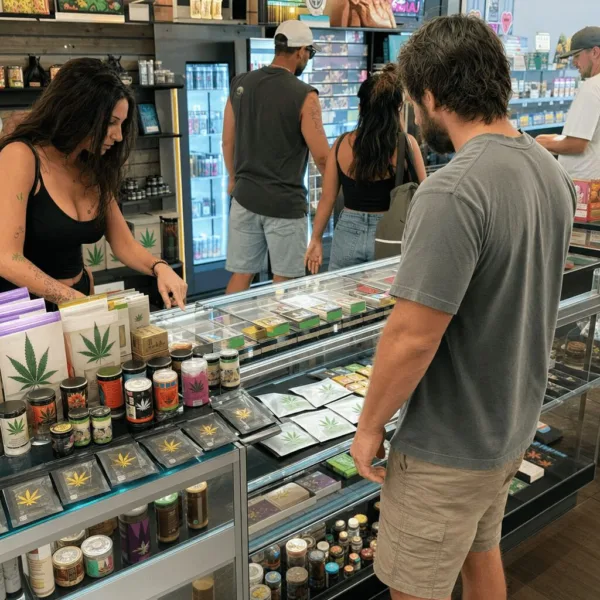
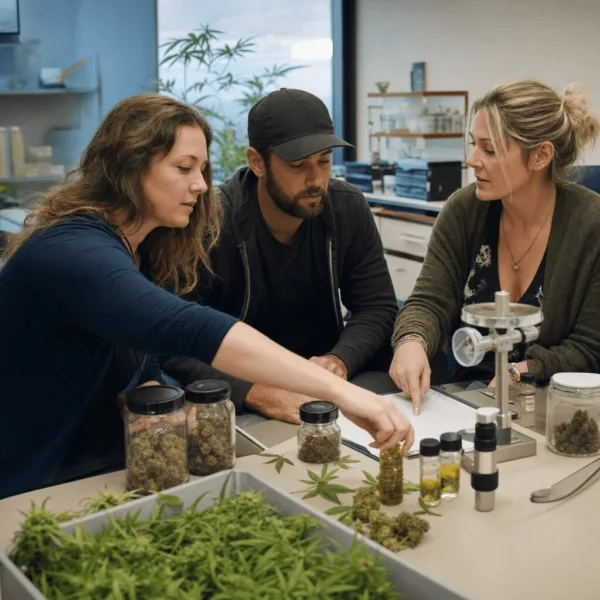



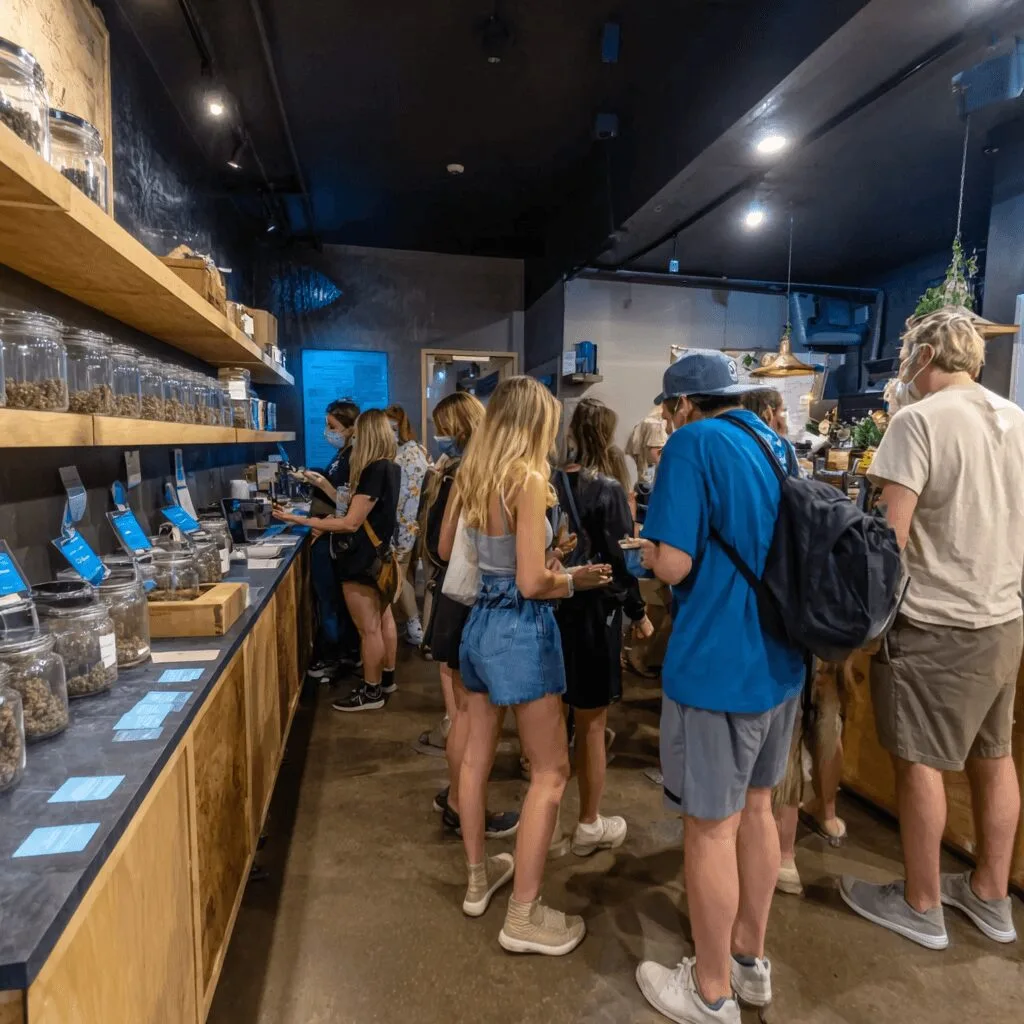
The Texas medical marijuana industry has entered an exciting, high-energy phase. Demand has spiked, and dispensaries across the state are hustling to keep up. Driven by expanding patient access, shifting legislation, and growing social acceptance, Texas is now witnessing a true evolution in how medicine and cannabis go hand-in-hand. Today, we’re breaking down what’s driving this surge, what it means for everyday Texans, and how the industry is adapting to ride this green wave.
Background: How Texas Became an Unlikely Cannabis Contender
For years, the Texas medical marijuana industry was tightly restricted. The state’s Compassionate Use Program (CUP), launched in 2015, initially only allowed low-THC cannabis oil for intractable epilepsy. Since then, legislative tweaks have broadened qualifying conditions, first to include MS, terminal cancer, and autism, and, in 2021, chronic pain (per the Texas Department of State Health Services). Social attitudes are also warming, thanks to a steady increase in patient success stories as well as a wider national conversation about self-medicating with cannabis to manage life-altering conditions. Recent state-level reporting, as highlighted in Texas Tribune coverage, also underscores the public’s growing acceptance of medical cannabis’s benefits. The transformation hasn’t been seamless, with Texas legislators proceeding cautiously and the market lagging behind states like California or Colorado, but persistent advocacy and swelling patient registries indicate a turning point for cannabis access in the Lone Star State.
Surging Demand Challenges Dispensaries: Who’s Leading the Texas Charge?
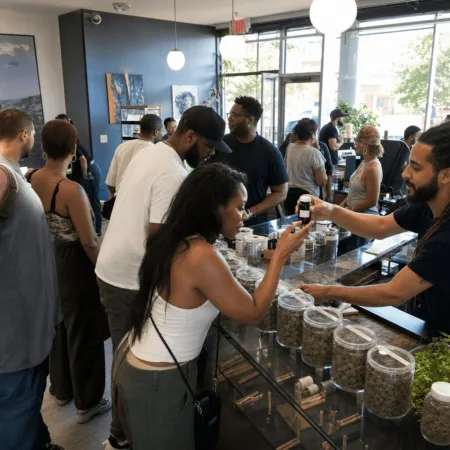
The heart of today’s story is about demand outpacing supply. According to KXAN News, Texas dispensaries are feeling the rush. Curaleaf, Fluent, and Texas Original have expanded their facilities, diversified product lines, and hired additional staff to manage the influx of patients. Since the recent legislative update in 2021, the number of registered participants skyrocketed—the Texas Tribune reports an increase to over 61,000 patient enrollments. The Texas Department of Public Safety, which oversees dispensary licensing, has started processing additional applications to keep up. The regulatory changes around the facts and implications of rescheduling cannabis are being closely watched, as they could have an immediate effect on demand and dispensary regulations. However, the current law still caps the number of official licensees, holding back some hopeful operators. These limitations place pressure on existing businesses, so longer waitlists and appointment times have become common. Despite these challenges, Texas dispensary operators say their number one priority is meeting patient needs while staying compliant with the evolving regulations.
Industry Expert Insights: Navigating the Lone Star Green Rush
The Texas medical marijuana industry continues to operate in a state of regulatory catch-up. On one side, patient advocacy groups demand more openness and fewer restrictions, while on the other lawmakers walk a tightrope, careful not to move “too far, too fast,” a balancing act repeatedly discussed in state and national coverage. The impact of shifting legal boundaries extends beyond Texas; recent Senate debates about federal rescheduling efforts highlight how closely state markets are linked to national momentum. Dispensing professionals, like Dr. Laura Moriarty, chief pharmacist at a major Texas dispensary, emphasize: “Our patients aren’t looking for a recreational experience, they’re seeking real relief. The pace of change needs to match the rising demand, not lag behind it.” (Quote source: Texas Monthly). Meanwhile, the gradual mainstreaming of cannabis and ongoing regulatory adjustments in Texas reflect broader trends visible across other newly legalized states, mirroring what’s happening on the national stage.
Texas Cannabis: Bright Future, Real Grassroots Change
The journey of the Texas medical marijuana industry is just getting started. As more patients turn to cannabis and new regulations are championed by advocacy groups, we’re seeing the foundations set for a robust, patient-centric industry. National trends predict medical cannabis will only gain acceptance, both socially and legislatively. Texas could soon become a Southern standout, blending cautious regulation with real patient progress. According to NORML, continued engagement from patients, doctors, and communities is key to shaping positive, patient-driven reform. In short: the Texas medical marijuana industry is no longer a curiosity—it’s an essential, fast-evolving part of the state’s healthcare landscape.
Originally reported by: kxan.com
1 Comment
Pingback: Master Medical Cannabis Education Competencies for Success