

California pastor killed driver drugs: shocking new details
This story is tearing through the headlines because it’s tapping into urgent conversations swirling around roads, safety, and cannabis culture in California. The phrase “California pastor killed driver drugs” captures a flashpoint where tragic events and evolving drug policy collide. As authorities and industry leaders debate the impacts of substance use behind the wheel, this case is cracking open big-picture questions about personal responsibility, regulatory gaps, and the future image of cannabis in our state. Below, we break down what happened, the bigger market and legal context, and what it all means for the evolving cannabis industry and its communities.
Background: Policy, Perception, and California’s Cannabis Market
California has paved the way for legal cannabis since 2016, with Proposition 64 making adult-use legal statewide. But as legalization rolls out, a web of rules and real-world issues has surfaced. According to California Courts, strict laws remain against driving under the influence, no matter the substance, legal or not. As cross-state issues increase, especially along highway corridors, the risks of cannabis trafficking along Interstate 5 have grown, adding new concerns for regulators and market participants. On the flip side, legalization has brought record tax revenues and a more transparent supply chain. Yet, stigma persists. “California pastor killed driver drugs” incidents tap into lingering public fear that weed and hard drugs are mixed in public perception, even though current research by publications like Leafly shows nuanced effects. The legal cannabis market, worth billions per Statista, now faces the double whammy of societal shifts and renewed policy debates every time an accident with suspected substance impairment hits the news.
Key Developments & Issues: What Happened in the California pastor killed driver drugs Case?
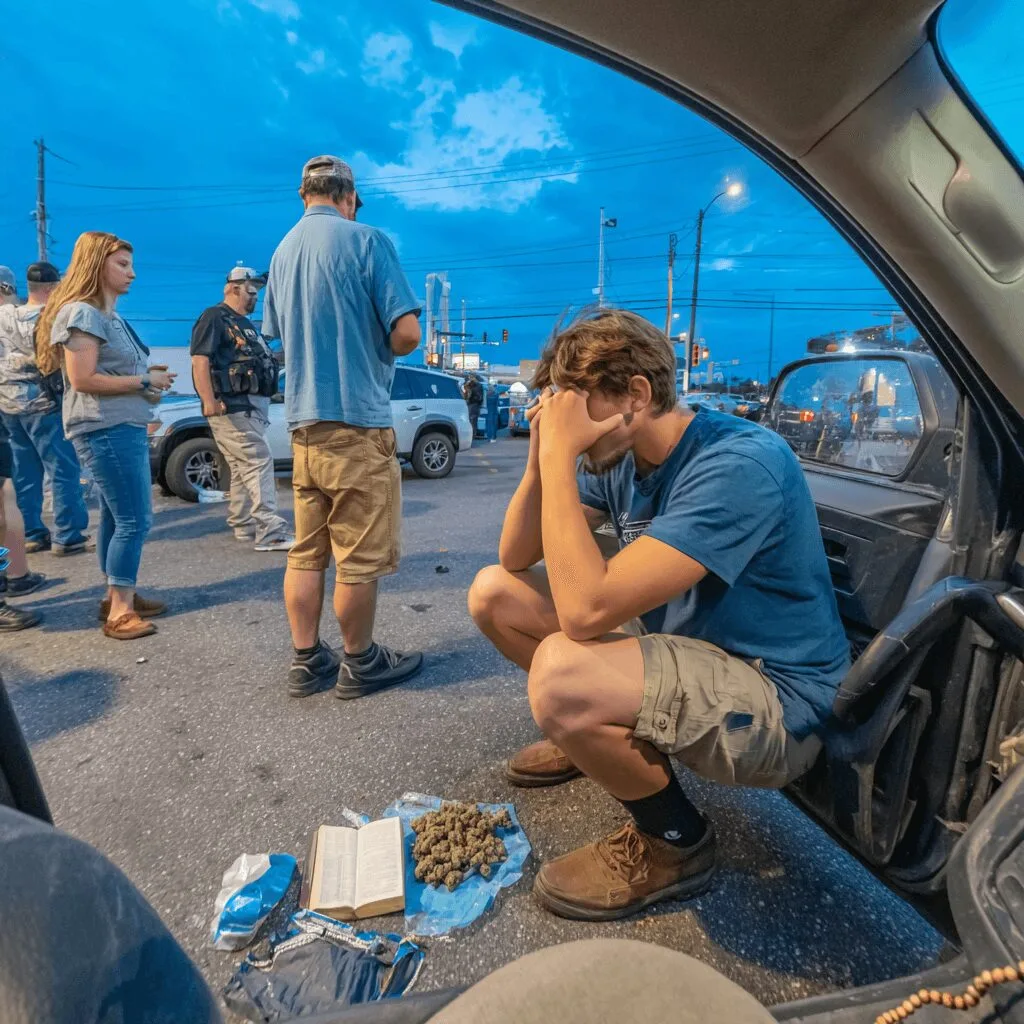
Tensions peaked this week following reports that a California pastor was killed in a car crash. Authorities allege that the driver involved, whose name wasn’t initially released, had a combination of fentanyl, meth, and marijuana in their system at the time of the fatal accident, according to KTLA. The tragic event unfolded near dusk on a California street, with emergency crews and police arriving at the scene amid a flurry of bystanders and sirens. According to the Los Angeles County District Attorney’s Office, the incident will prompt charges of vehicular manslaughter and trigger renewed safety campaigns statewide.
Investigators found paraphernalia and substances on-site, leading to a thorough toxicology analysis, which was reminiscent of other high-profile cases, such as those that raise questions about what cannabis users should know before making admissions during DUI stops. The “California pastor killed driver drugs” news cycle has centered on these details, jolting both the faith and reform communities. Local church leaders and industry watchers alike have expressed concern about policy gaps and the broader implications for both cannabis users and the public. Previous legal actions, including updates from the California Department of Public Health, stress zero tolerance for impairment behind the wheel, but practical enforcement lags behind evolving drug testing science.
Expert Analysis & Insights: Lessons for the Cannabis Industry
Ripples from the “California pastor killed driver drugs” news are obvious within industry circles. Market advisors at Marijuana Moment point out: “Every time a tragedy occurs, it’s a wake-up call for consumers and policymakers alike to revisit what responsible cannabis use really means.” Recent regulatory and enforcement trends have shifted the conversation, and events like the latest marijuana-related drug busts highlight ongoing challenges in separating cannabis from other illicit substances in the public eye. The details here underline how cannabis often gets grouped with far more dangerous substances in the media and legal system. As one leading expert at NORML emphasizes: “Lumping cannabis with fentanyl and meth distorts the risks associated with each, legal weed deserves evidence-driven dialogue, not scare tactics.”
Broadly, these headlines remind everyone that clear-headed conversations, grounded in science and not stigma, are vital. The cannabis sector invests deeply in education, supporting legal updates and safety campaigns. Recent Leafly investigations reveal that impairment from cannabis differs from other drugs. Rapid roadside tests are evolving, but policy lags technology. There is consensus that no one supports unsafe driving, period, and the larger issue is nuanced messaging and honest enforcement, not panic-fueled crackdowns.
Future Outlook: Growth, Reform, and Safer Communities
California’s cannabis industry is built on progress, wellness, and responsible adult choices. While tragedies like the “California pastor killed driver drugs” crash are sobering, they also spark overdue conversations about road safety, policy reform, and how we separate myth from fact in cannabis regulation. Trusted sources like California’s Cannabis Portal highlight continued investments in public education, new technology for impairment testing, and collaborations between law enforcement and the industry.
The road ahead is all about better data, smarter laws, and—most importantly—destigmatized, fact-driven cannabis culture. As more states legalize and federal reform inches forward, California leads not just in product quality, but how we handle complex social issues as a community. The tragic loss in this case amplifies the urgency to get it right—making sure that both cannabis acceptance and road safety evolve hand in hand. The future’s looking bright for cannabis, and for safer streets too.
Originally reported by: ktla.com