

California pastor fentanyl car crash shocks community
Everyone’s talking about the California pastor fentanyl car crash — and for good reason. In a state where cannabis legality is still making headlines and cultural shifts are underway, this tragic accident strikes a nerve. With the driver’s toxicology revealing a potent cocktail of fentanyl, meth, and marijuana, the story unfolds at the crossroads of drug policy, public safety, and sober reflection. It’s not just news: it’s a wake-up call for conversations around stigma, safety, and responsible use in California’s ever-evolving cannabis landscape.
Shifting Legal, Social, and Market Context in California
California has long been at the forefront of cannabis reform, blazing a trail since medical legalization in 1996 and adult-use legalization in 2016. According to the California Department of Cannabis Control, the state carefully regulates illicit and legal consumption, balancing economic growth with public health concerns. But despite regulatory progress, old stereotypes still persist. When tragedies like the California pastor fentanyl car crash capture headlines, concerns over illicit drug use and public safety are reignited. This mirrors how interstate trafficking routes pose unique risks and complicate the black market for policymakers. Law enforcement and legislators reference mixed-use accidents when negotiating new laws. As noted by NORML, impaired driving from any substance remains strictly illegal, with severe consequences. These debates reflect broader national trends, as highlighted by frequent coverage in Marijuana Moment, drawing lines between personal freedom and public safety. Social acceptance is growing, but stories blending fentanyl and cannabis reignite fears and misconceptions.
Key Details: The California Pastor Fentanyl Car Crash and Its Aftermath
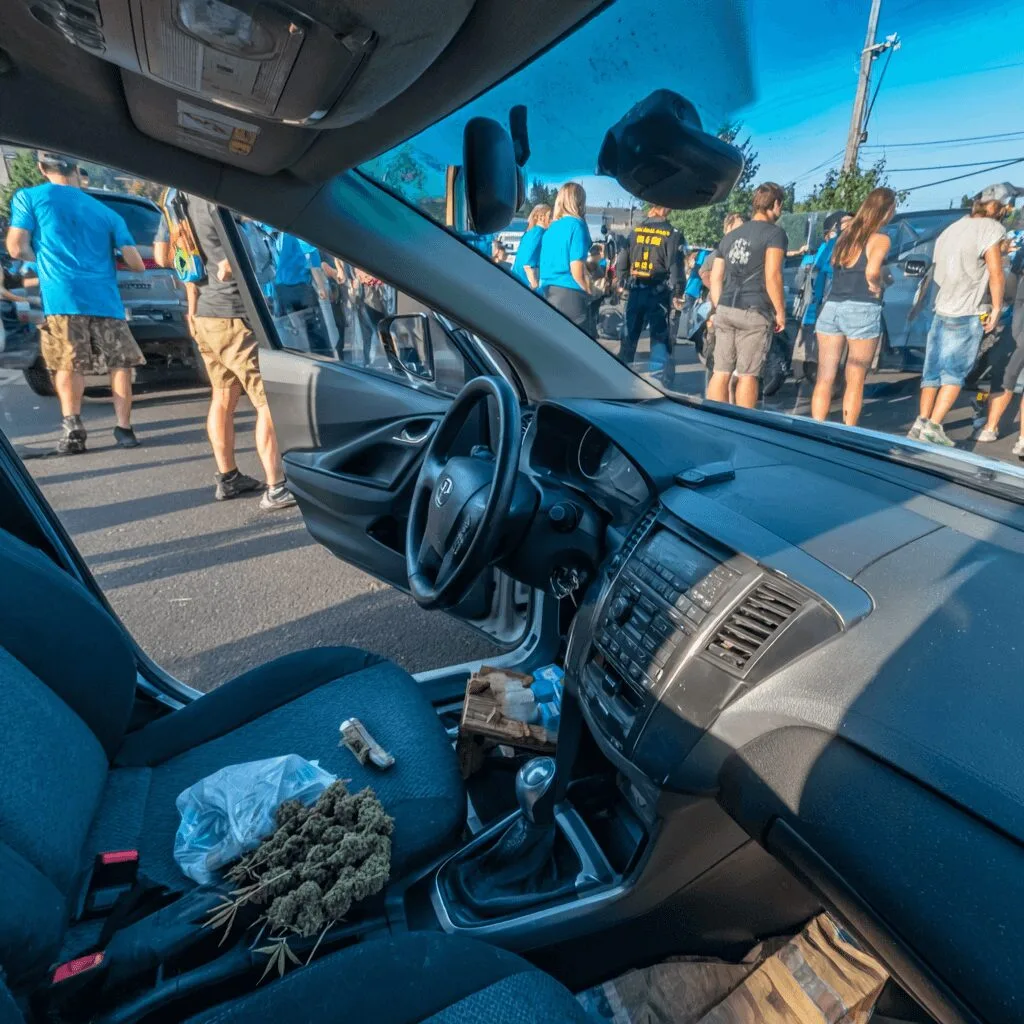
The story centers on a recent suburban car accident in Southern California, which resulted in the tragic death of a well-known local pastor. According to a KTLA news report, prosecutors allege the driver had fentanyl, methamphetamine, and marijuana in their bloodstream at the time of the crash. This is a striking example of how crashes involving multiple substances highlight hidden dangers and legal complexities for California communities. The district attorney’s office pointed to toxicology findings as the foundation for their manslaughter case, which has stirred fresh debate on multi-drug impairment and law enforcement’s approach. This incident took place near a church where people often gathered, making the loss especially personal. Eyewitness reports confirmed a chaotic scene, with first responders and worried neighbors rushing to help. Authorities charged the driver with gross vehicular manslaughter and pressed forward with an acute focus on drug-impaired driving, especially in light of California’s complex legal-political climate. The California pastor fentanyl car crash continues to spark discussions about legal, social, and industry responses to the dangerous intersection of multiple substances.
Expert Analysis: Lessons, Cannabis Industry Impact, and Nuance
So, what does the California pastor fentanyl car crash mean for those in the cannabis space? First, let’s get real: stacking cannabis in the same basket as dangerous narcotics is a misstep. As examined by Leafly’s in-depth review of drug-impaired driving, cannabis and fentanyl have vastly different effects, risks, and legal implications. Still, incidents like this can sometimes revive the kind of fear-mongering that detracts from data-driven policy discussion. Jamie Kowalski, a respected harm-reduction specialist and cannabis educator, argues, “Collapsing cannabis with synthetic opioids like fentanyl in headlines does a disservice to public education. The science is clear: cannabis impairment doesn’t resemble the dangers posed by depressant poly-drug use. Education, not hysteria, is key.” (Forbes analysis). Also, many industry observers point to the need for time-sensitive information—recent insights and facts on DUI marijuana admissions show why responsible education matters right now. California’s massive legal market, per BDS Analytics, continues to shape conversation not just in consumer choice, but in how product safety and legislation evolve in response to public fears. Many advocates urge dialogue and reform, not reactionary bans or punitive crackdowns.
Future Outlook: Growth, Reform, and Social Acceptance
Even after tragedies like the California pastor fentanyl car crash, California’s cannabis industry isn’t backing down. Instead, leaders are doubling down on consumer safety, compliance, and community relations, according to a recent update from the Marijuana Policy Project. There’s clear momentum for public education on the differences between cannabis and dangerous narcotics, and evolving technology is helping law enforcement pinpoint true impairment risks without casting too wide a net. Social acceptance keeps rising, economic opportunities continue to flourish, and scientists are working overtime to hone standards that uphold both freedom and safety. The path forward? Honest conversation, better research, and smarter regulation — echoing California’s role as a national model for how to handle the unpredictable intersection of policy, culture, and real life. Here’s to a future where informed cannabis reform triumphs over stigma, one lesson at a time.
Originally reported by: ktla.com