




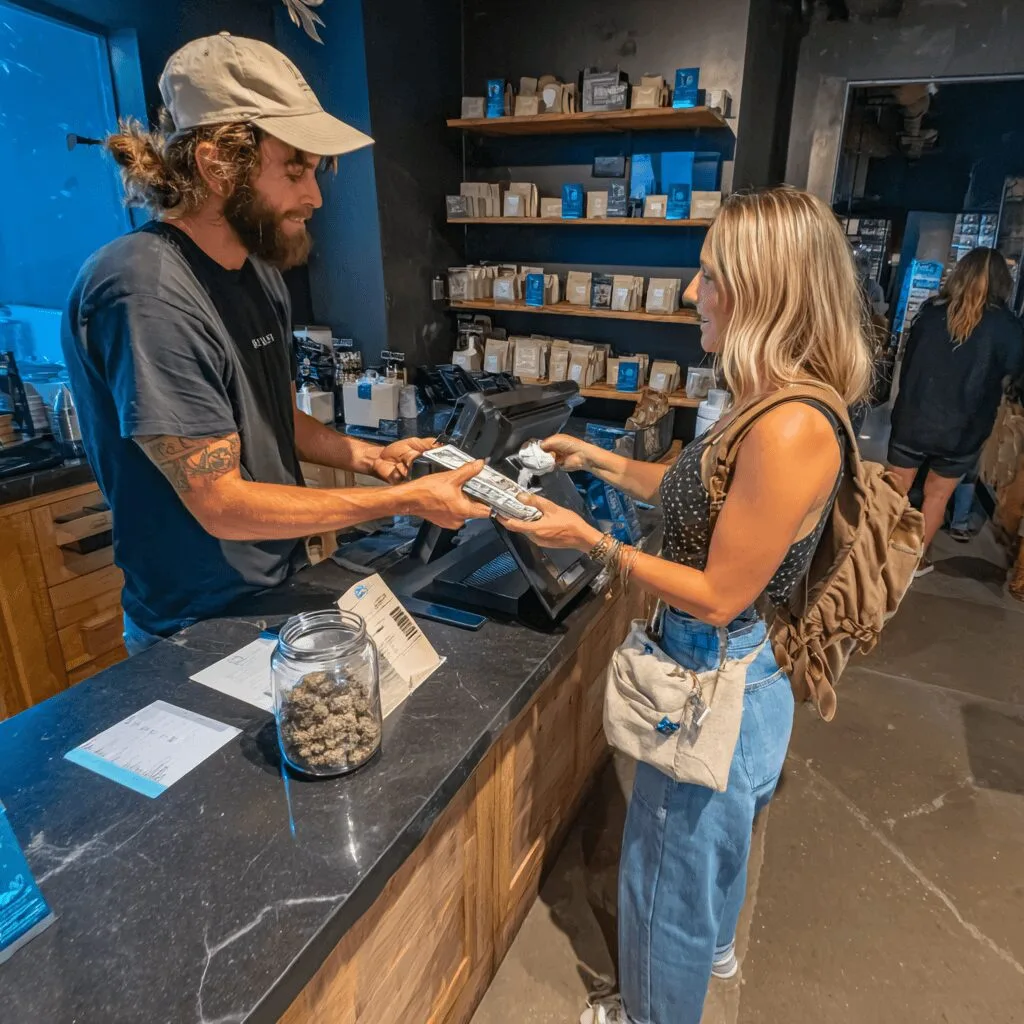
THC Sales Legal Issues: What Every Buyer Should Know
If you’re part of the growing crowd curious about cannabis, there’s no dodging the hot topic of THC sales legal issues in 2024. Recent news spotlights rapid changes in how THC products are regulated and sold, with laws shifting under everyone’s feet. This matters big time—whether you’re buying gummies after work or running a dispensary in the middle of legal whiplash. Ahead, I’ll break down why THC sales legal issues matter now, what’s happened lately, and how these developments are shaping the ever-evolving cannabis market for buyers and sellers alike.
Understanding the THC Sales Legal Issues Landscape
The THC sales legal issues we’re seeing now didn’t materialize overnight. They’re rooted in decades of shifting policy, public opinion, and science around cannabis. The divide between state legalization and federal prohibition sets the legal stage, as states from Colorado to Minnesota allow sales, yet THC remains federally classified as a Schedule I substance (DEA). This regulatory juggling act fuels complex rules for every THC sale. Social acceptance soars, with Pew Research reporting over 60% of Americans back recreational use. Policy, though, lags and twists, leaving businesses and buyers navigating a maze of city, state, and federal guidelines. The opening of new medical cannabis dispensaries in states like Kentucky demonstrates just how quickly the market and regulatory outlook can change (more here). Recent surges in hemp-derived THC alternatives (think Delta-8, Delta-10) add fresh legal headaches, challenging regulators. Supply chains, banking laws, and consumer rights are all on the table, with every THC sale acting as a test of what’s allowed and what isn’t, compelling sellers and buyers alike to stay alert for updates.
Recent Shake-Ups: Key THC Sales Legal Issues Unpacked
Let’s talk details. According to Brookhaven Courier, local THC shops across Texas are facing new state-level scrutiny almost overnight. In 2024, a series of aggressive raids and abrupt legislative proposals aimed at curbing sales of products with high Delta-8 and Delta-9 content left retailers and consumers scrambling. On April 18, Texas regulators issued cease-and-desist letters to dozens of small businesses, challenging their compliance with a new state interpretation of two-year-old laws. Companies like The Green Guys and Southern Daze were directly impacted, with product seizures and threats to business licenses. Confusion soared as ambiguous legal wording made it nearly impossible for buyers to know which products were legal that week. The Texas Department of State Health Services ramped up enforcement, sometimes clashing with Houston police, who reportedly prioritized higher-profile crime. Court challenges swiftly followed, asking for injunctions to block the rollbacks and citing business damage and consumer confusion. Recent trends in recreational store openings, such as in Eastpointe, also show how community and regulatory landscapes are continuously shifting (see what’s happening in other markets). For adult buyers, this landscape is unpredictable, as edibles might be in stock one day and pulled the next, all thanks to the evolving legal battle over THC sales legal issues.
Expert Perspective: What This Means for the Cannabis Industry
So, what’s really at stake with THC sales legal issues? Marijuana Moment reports this isn’t just about products on shelves—it’s about the future shape of cannabis access and small business viability. According to Kassandra Frederique, Executive Director at the Drug Policy Alliance, “When states waffle on THC regulation, communities and entrepreneurs pay the price, while consumers get left in the dark.” (Drug Policy Alliance) Right now, legal whiplash creates a chilling effect. Dispensaries hesitate to invest, and buyers get wary. Yet, such shakeups often force overdue clarity. Regulators update ambiguous rules, courts set new precedents, and, believe it or not, markets adapt. The rise of hemp-derived alternatives is a direct response to patchwork laws, industry reports confirm (Hemp Industry Daily). Discussions of how voters and lawmakers interact over reform, as with Ohio marijuana legislation, highlight evolving trends (learn more). Expect more detailed labeling, transparent retail practices, and industry pressure for clear guidelines. Cannabis businesses, seasoned by years of legal curveballs, show resilience. Buyers are savvier, demanding both safety and legality, pushing lawmakers to keep up. In short, while THC sales legal issues cause headaches, they also drive innovation and legal reform every time the pot boils over.
Looking Forward: The Future of THC Sales Legal Issues
Despite temporary roadblocks, the future for lawful cannabis—and everyone interested in it—looks bright. Public support is strong and new regulations, even if rocky, point toward eventual harmony between market demand and compliance. The National Organization for the Reform of Marijuana Laws highlights record sales and expanding markets, suggesting that ongoing THC sales legal issues are bumps along a bigger road to mainstream acceptance. If you’re a buyer or seller, staying informed is key—expect more changes but plenty of opportunities. As laws clarify, expect safer, more consistent cannabis options. Social acceptance keeps climbing, legal experts keep challenging the status quo, and those who adapt early will thrive. The cannabis industry’s laidback, innovative spirit promises that, even when legal tides are choppy, the community will keep sailing forward.
Originally reported by: brookhavencourier.com