





Craft Beer Cannabis Impact: How Marijuana Is Shaking Up Michigan
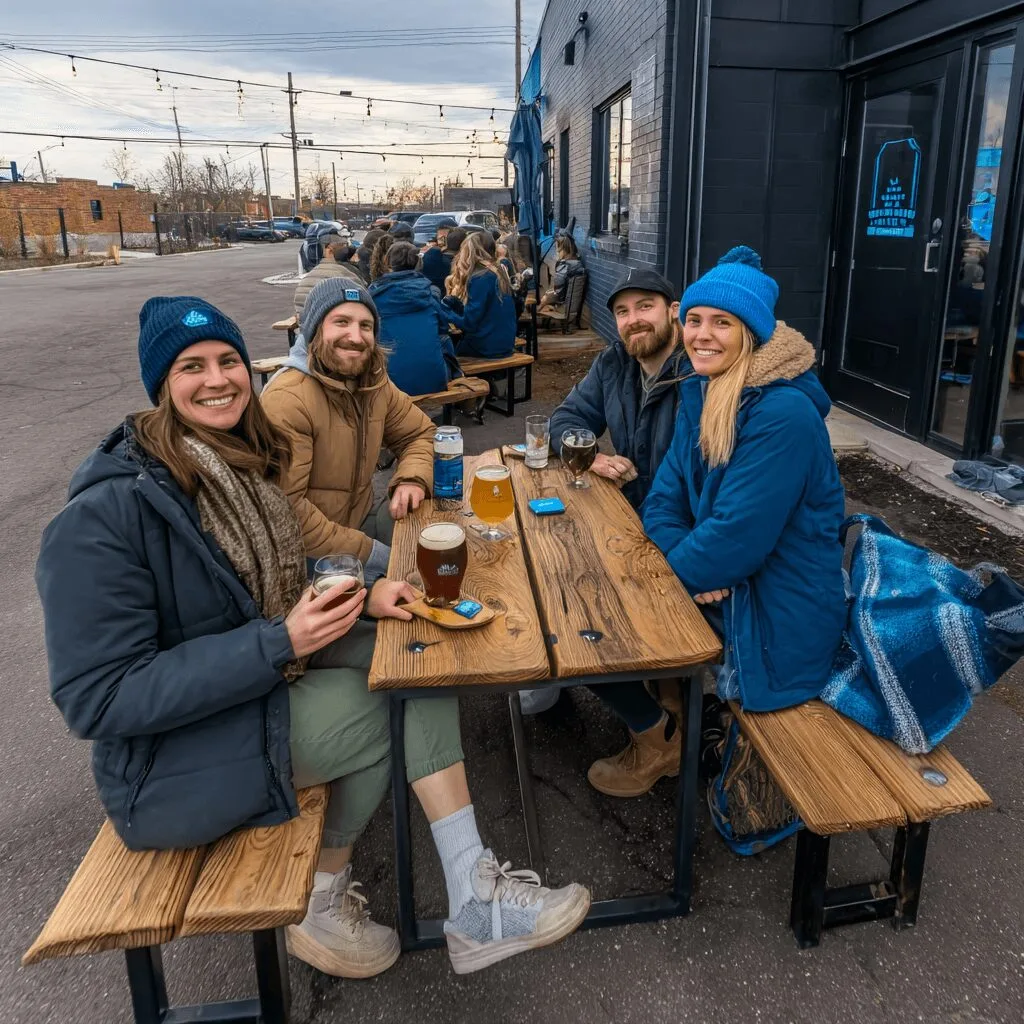
If you’ve ever enjoyed a frosty pint on a Michigan patio, you’ve probably noticed a subtle new vibe in the air. The craft beer cannabis impact is making major waves across the state’s social and economic landscape. With legal cannabis rapidly normalizing, beer lovers and cannabis enthusiasts now mingle in public spaces, shifting the entire shape of Michigan’s brewery scene. Driven by evolving consumer preferences, legislative changes, and competition in a maturing market, this new dynamic matters for everyone—from breweries to policymakers and weekend warriors. So let’s break down what’s really going on and where this surprising synergy might be headed.
Understanding the Landscape: Michigan’s Brewing and Budding Revolution
Michigan’s distinctive blend of craft beer heritage and progressive cannabis laws sets the stage for current changes. Back in 2018, Michigan voters passed Proposal 1, making it the first Midwestern state to legalize recreational marijuana for adults. This opened the door to a thriving cannabis industry and positioned Michigan as a market innovator, according to The Detroit News. The Great Lakes State is also famous for its robust craft beer community, and Grand Rapids even claims the ‘Beer City USA’ crown.
Whenever two beloved cultures overlap, disruption often follows. On the regulatory front, breweries remain alcohol-only because of federal law, but off-premises consumption and the social acceptability of cannabis have soared. Michigan’s breweries are grappling with patron expectations as both substances are legal separately but cannot be officially combined under one roof due to state and federal law. There’s also a rising conversation around public safety, responsible consumption, and evolving business models, as outlined in recent market analysis from MLive. These regulatory and market changes also echo broader trends seen in other states, for instance where legal uncertainty for dispensaries continues to affect local cannabis businesses in Maine, highlighting nationwide complexity in merging cannabis with existing markets.
Key Developments: When Beer Meets Bud in Michigan’s Market
Let’s get down to the facts, because the craft beer cannabis impact in Michigan isn’t just a vibe, it’s affecting real businesses and consumers. According to a recent feature by MLive, Michigan breweries are seeing a shift in both foot traffic and buying patterns post-cannabis legalization (2018-present). Several taprooms, such as Founders Brewing Co. and Brewery Vivant, report that patrons are increasingly splitting their spend between cannabis and beer, or simply swapping a pint for an edible.
Brewers Guild data shows craft beer production in Michigan plateaued in 2023 for the first time in a decade. While the pandemic and inflation play roles, surveys suggest cannabis is “the wild card in the room.” Brewery owners like John Stewart (Mitten Brewing Co.) cite a clear connection: “People pre-game with cannabis, so we’re seeing different consumption cycles.” At the same time, some taprooms have adapted by creating 420-friendly events, or partnering with nearby dispensaries for cross-promotions, always keeping official licensing rules in mind.
The regulatory environment still forbids co-located consumption under state alcohol codes and federal Drug-Free Workplace policies, per Michigan Cannabis Regulatory Agency. However, in practice, more breweries report ‘incidental’ cannabis presence—discrete smoking areas, more tolerant patio policies, and customer requests for infused, non-alcoholic options.
Some small towns like Ann Arbor and Traverse City have seen the lines blur most, thanks to vibrant cannabis retail districts adjacent to brewery clusters. Local officials and law enforcement walk a fine line, focusing on harm reduction and community safety rather than strict crackdowns. This evolving dynamic mirrors the approach taken in cities such as Omaha, where restrictions on cannabis compounds and local store policies are actively shaping the broader conversation about responsible retail and customer safety. It’s a new cultural normal, with the craft beer cannabis impact evident in both sales data and Saturday afternoon scenes at your local beer garden.
Meanwhile, larger brewers are lobbying for potential regulatory updates so that one day, Michigan might officially host “cannabis bars” or social clubs. While that dream remains down the road, the foundation is being quietly laid in today’s patios, parks, and parking lots.
Expert Take: Embracing Change in the Craft Beer Cannabis Impact Era
Industry experts agree, the craft beer cannabis impact in Michigan signals both opportunity and urgency. On one hand, traditional breweries face a challenge as younger, wellness-focused consumers forgo double-digit ABV bombers in favor of cannabis microdosing or CBD-infused beverages. At the same time, a new customer mindset open to hybrid social experiences is emerging.
According to Bart Watson, chief economist at the Brewers Association, “Anytime a regulated, psychoactive market like cannabis opens, you’ll see shifting consumer choices. But these changes push breweries to innovate and diversify, whether that means low-alcohol beers, NA seltzers, or creatively partnering with cannabis brands.” (Brewers Association).
Other analysts highlight growth opportunities: “The best breweries treat cannabis as complementary, not competition. By focusing on unique, quality experiences, they can actually expand their market,” notes Jenel Stelton-Holtmeier, writing for Craft Brewing Business.
From a pro-cannabis stance, Michigan’s evolving scene encourages destigmatization and normalization, breaking down the old “stoner vs. drinker” stereotypes. Instead, the state is pioneering inclusive, responsible, and dynamic consumption communities—even as legal gray areas persist. These changing attitudes and regulations are not just a local phenomenon, as broad reform efforts, such as recent moves toward legalization and social change in other states, show that shifts in marijuana laws can create significant social impacts. “We’re building a model of coexistence that many states will watch closely,” claims cannabis reform advocate Rick Thompson in a recent interview.
Looking Forward: How Craft Beer Cannabis Impact Signals a New Era for Michigan
What’s next for Michigan’s craft beer cannabis impact? Momentum is only building. The state is poised to become a case study in dual-market hospitality—balancing tradition with innovation, and always staying a step ahead of consumer trends. Legal complexities and responsible consumption will continue to shape debate, but Michigan’s breweries and cannabis entrepreneurs have already shown a knack for adaptation.
Looking ahead, we’re likely to see more inclusive events, creative partnerships, and maybe—just maybe—the nation’s first officially sanctioned beer & cannabis social clubs, should state and federal rules evolve. Until then, Michigan leads as an example of how cannabis can modernize—not marginalize—classic industries. As industry experts have said and recent Forbes analysis confirms, “The worlds of hops and hemp are just beginning to blend.” Cheers to a future where diversity of experience—responsible and regulated—becomes the new state tradition.
Originally reported by: mlive.com

1 Comment
Pingback: Shocking Teen Marijuana Robbery Homicide: What Really Happened?