

Discover the Benefits of Hemp Leaves Animal Diet Today
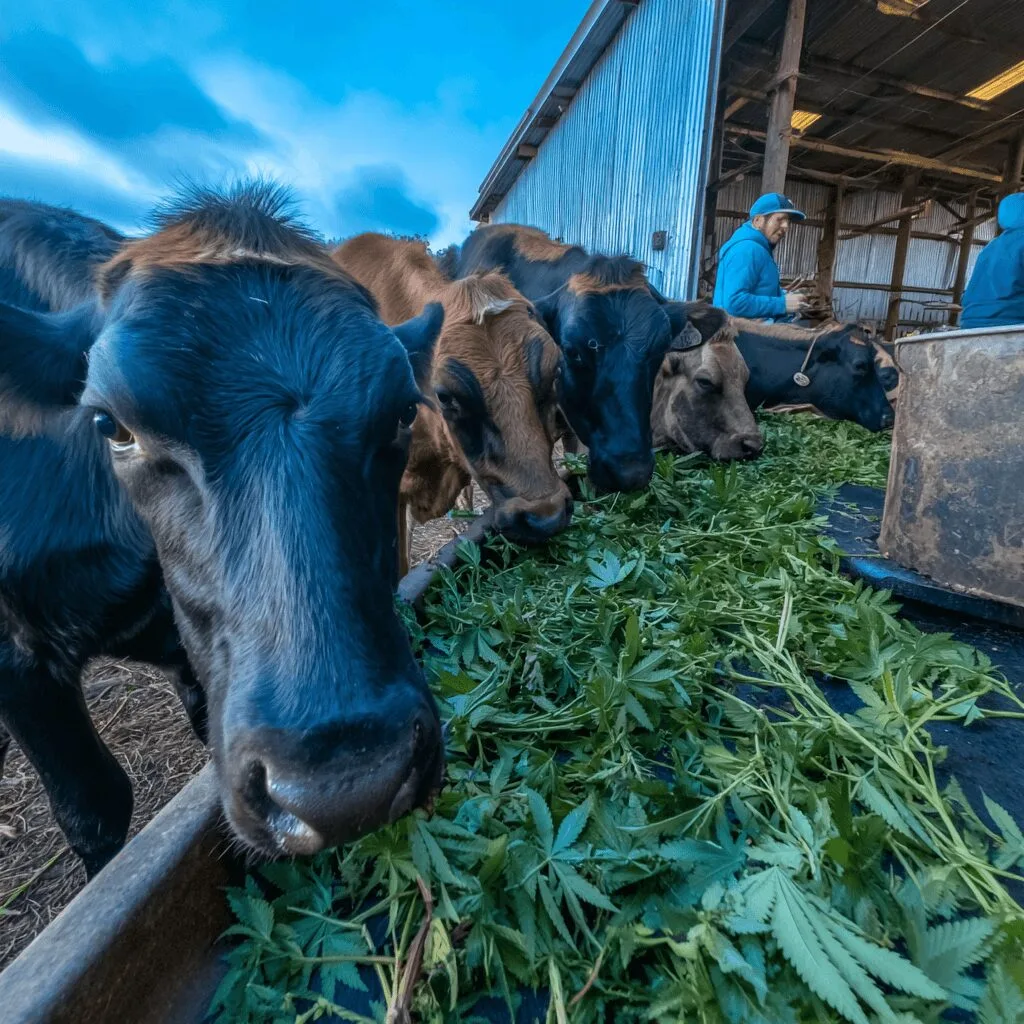
The buzz around the hemp leaves animal diet is impossible to ignore right now. Growing market interest, fresh scientific studies, and evolving regulations are shaking things up for farmers, feed producers, and the cannabis-curious alike. As the demand for sustainable animal nutrition rises, hemp leaves are earning big respect—from pasture to policy makers. In this piece, we break down the key developments, weigh the science, and unpack why hemp leaves animal diet trends deserve a deeper look right now.
Background: Regulatory, Market, and Social Context for Hemp Leaves Animal Diet
The hemp leaves animal diet trend didn’t appear out of thin air, it’s been brewing for decades. Following the 2018 Farm Bill legalization of industrial hemp in the U.S., public and private sectors started re-examining all parts of the plant. Suddenly, hemp leaves weren’t just compost material, they became a hot topic for sustainable agriculture and animal wellness advocates.
Many countries, including key agricultural producers in Europe and Asia, have begun easing restrictions on hemp for animal feed, opening a major pathway for research and commercial applications. According to USDA reports, the U.S. market alone has seen a surge in hemp production, with forward-thinking regulators and researchers studying its nutritional potential. Alongside this, recent shifts in legal and public sentiment across several states, such as those discussed in Ohio’s evolving hemp and marijuana laws, reflect broader progress in normalizing hemp across agriculture and policy. At the same time, social acceptance has shifted, with farmers and consumers increasingly viewing hemp as more than an alternative crop. The stigma is fading fast, and old stereotypes are giving way to hard data and green innovation in the animal nutrition space.
Key Developments and Issues: Science, Trials, and Legal Moves
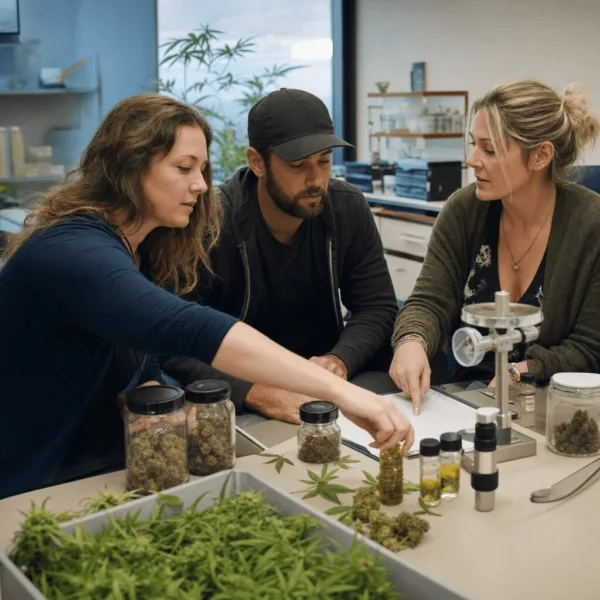
Let’s get into the details. Recent research covered in PLOS ONE found that supplementing animal feed with hemp leaves could deliver enhanced nutritional value and support animal immune systems. This double-blind study monitored herds of cattle and goats over several months, using rigorous controls and frequent health assessments.
The findings? Animals on a hemp leaves animal diet showed improved performance markers, stronger immune responses, and no detectable intoxication or regulatory infractions. These results arrived just as U.S.-based agricultural companies and EU policy task forces ramped up discussions about amended guidelines for hemp feed, detailed in public sessions throughout 2023, just as other states are actively debating the nature and pace of marijuana and hemp-related legalization, seen in Maine’s recent cannabis ballot initiatives.
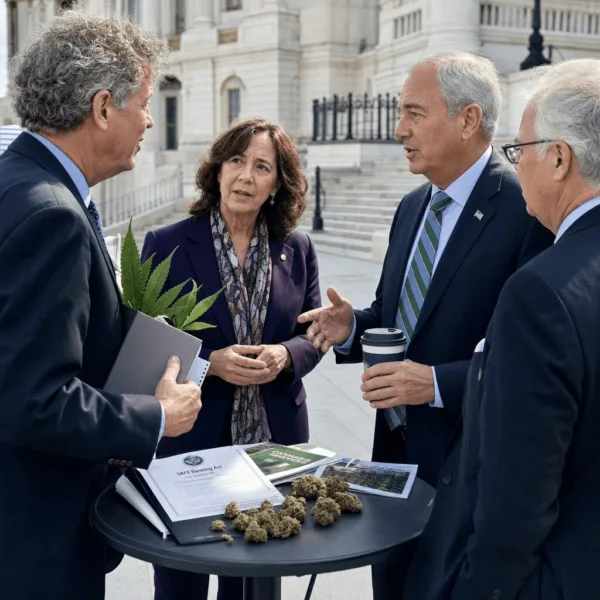
Of course, not everyone is on board yet. Regulatory authorities continue to scrutinize cannabinoid residuals, especially THC levels, in animal-derived foods. Major feed manufacturers and law firms are actively lobbying, some for faster, science-based approval of the hemp leaves animal diet, others urging caution. Still, the data appears to be steering the conversation forward. As recently as March 2024, several state agricultural boards, including Illinois and Kentucky, initiated new pilot programs to officially track hemp-fed livestock and document both benefits and potential regulatory risks.
Expert Analysis and Insights: Digging Deeper into the Hemp Leaves Animal Diet
Here’s where the rubber meets the road, or the hoof meets the hemp. The rise of the hemp leaves animal diet is tightly linked to broader changes in how society views cannabis and agriculture. The nutritional density of hemp, loaded with protein, omega fatty acids, and micronutrients, makes it a promising addition to many livestock feeding regimes.
As Dr. William Silverman, a noted livestock nutritionist, explained to FeedNavigator: “There’s mounting evidence that including hemp leaves in animal diets significantly supports overall herd health without psychoactive risk. The industry is wise to follow the science and invest in more comprehensive feed studies.”
Looking beyond just regulations, there are major impacts from wider marijuana policy and public health debates, evidenced by how concerns over marijuana health and safety are playing into the discussion. Going beyond the hype, farmers are seeking practical proof. Some report softer coats, greater milk yield, or increased weight gain in herds fed hemp leaves. The hemp leaves animal diet isn’t just fad science, it’s beginning to stack up real-world wins, especially in organic and regenerative farm circles. As the cannabis sector diversifies, animal feed is quickly emerging as the next logical frontier, combining environmental stewardship with industry know-how.
Future Outlook & Conclusion: Hemp Leaves Animal Diet Evolves the Industry
The future looks bright for hemp leaves animal diet programs and for the ag-cannabis fusion overall. As more jurisdictions embrace science-driven feed regulations, hemp is set to become a cornerstone of sustainable animal husbandry—offering economic upside for struggling farmers and improved welfare for livestock.
According to a recent Hemp Industry Daily report, industry-wide adoption of hemp-based animal diets could drive new green revenue streams, create rural jobs, and bolster global food systems. Even skeptics can’t argue with the numbers: more research, more transparency, and more accountability are fast-tracking mainstream acceptance.
The cannabis movement has always been about innovation—let’s welcome this next chapter with open arms, clean science, and a healthy dose of green optimism!
Originally reported by: journals.plos.org