





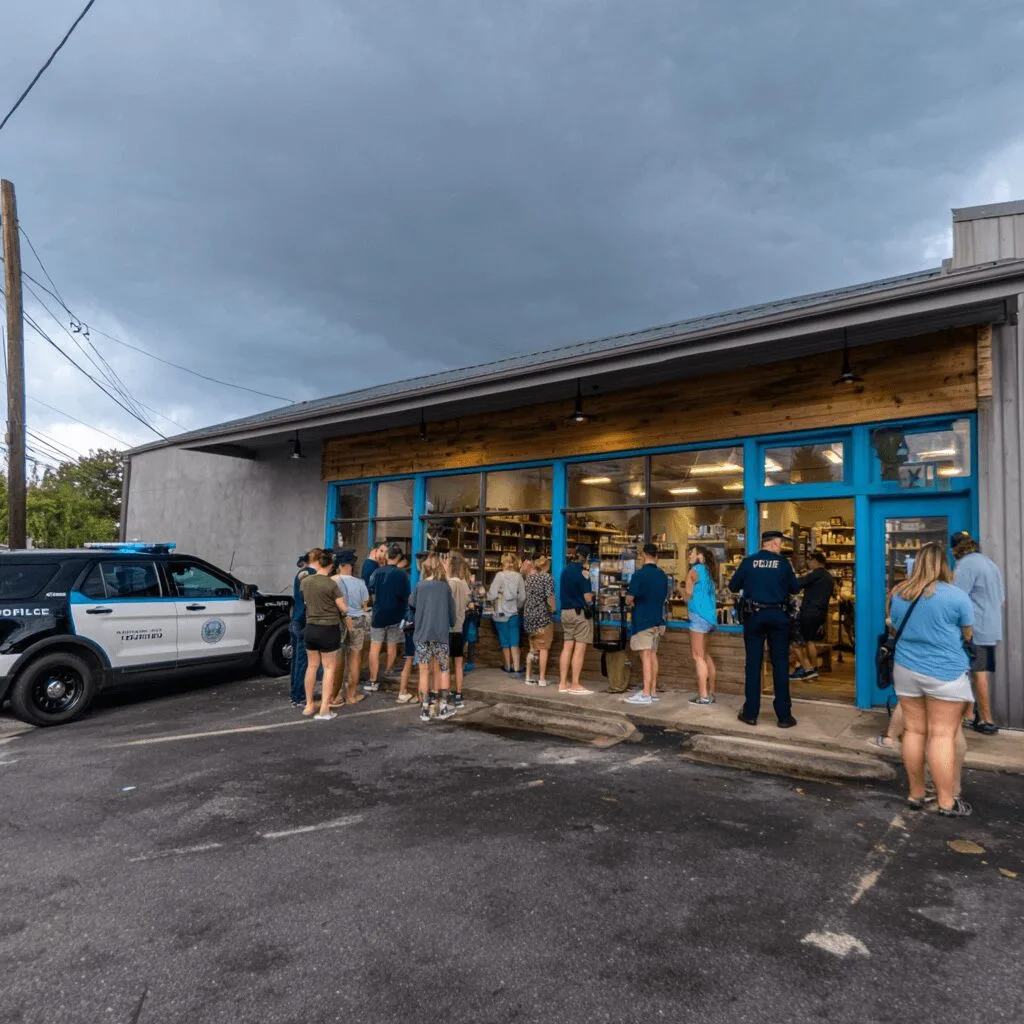
Florence County vape shop raids: What’s really going on?
Let’s be real—the Florence County vape shop raids have the whole local scene buzzing and lighting up some big questions. As law enforcement cracks down on vape and smoke shops, everyone from daily customers to seasoned industry pros is watching closely. Why are legal gray areas creating chaos for shops, and what might these raids actually mean for cannabis consumers and retailers? In this article, we break down the roots, the raids, and what it means for the future of safe access and smart regulation in Florence County and beyond.
What’s Fueling the Florence County Vape Shop Raids?
If you’ve followed the ups and downs of regulated cannabis and vape markets, you know local laws can change like the weather. Finer points around hemp-derived THC, CBD, Delta-8, and other cannabinoids have left both users and retailers confused nationwide (NORML News). In South Carolina, where Florence County sits, cannabis remains illegal for recreational use, but hemp and related products exist in a patchwork of regulation. Local law enforcement has increased scrutiny of anything resembling marijuana or its psychoactive cousins, especially in shops serving both tobacco traditionalists and the cannabis-curious. These shifting local and national attitudes have created enforcement uncertainty similar to questions around hemp ban enforceability elsewhere. Rural Main Streets often grapple with balancing legacy norms, emerging legalization trends, and the priorities of policymakers (Marijuana Moment). That complex mix set the scene for the recent Florence County vape shop raids, creating tension for businesses, customers, and entire communities trying to interpret what is or isn’t actually allowed.
Raids, Rationale, and Fallout: What Really Happened?
According to WMBF News, multiple Florence County vape shops, including some well-known Main Street fixtures, were raided by law enforcement in December 2025. Police entered stores, seized products, and questioned both staff and customers during broad daylight. Sources say officers targeted goods suspected to contain illegal cannabinoids or mislabeled THC concentrations. The timeline is clear: these raids didn’t just happen in a vacuum. They followed state-level alerts and tough-on-crime statements from local officials. This reminds many in the industry of previous incidents, like recent reports of THC vape seizures in schools, underscoring rising enforcement trends. Authorities have cited public health risks and alleged non-compliance with state law as reasons for the crackdown. Some shop owners reported the confiscation of products clearly labeled as federally legal under the 2018 Farm Bill, further blurring the lines. Several bewildered customers and employees described the events as “intimidating” and “confusing,” with some questioning whether all seized items were genuinely in violation of the law. Legal observers point out these actions may push regulatory boundaries, especially with Delta-8 THC and similar hemp-derived cannabinoids often falling into gray legal categories (Leafly).
Industry Voices: Why These Florence County Vape Shop Raids Set Off Alarm Bells
No surprise, these Florence County vape shop raids are making waves far beyond city limits. The rapid escalation highlights a nationwide tension between state regulations, federal hemp law, and the lived reality of Main Street retailers. “Retailers are caught in a shifting landscape where state and federal laws aren’t always in harmony,” explains Amanda Reiman, PhD, cannabis industry strategist, cited by Benzinga. “That confusion breeds enforcement inconsistency, especially in states without clear frameworks for hemp-derived cannabinoids.” Recent scrutiny of infused beverages has reflected similar confusion, as seen with controversies involving health inspectors and THC drinks. For real people, shopkeepers, staff, and everyday customers—enforcement that feels arbitrary undermines trust in both the legal system and the regulated market model. When cannabis-friendly products (or their lookalikes) are subject to surprise seizures and ambiguous interpretations, local economies and patient access can suffer. Longtime advocates argue that punitive stings slow down the education and normalization process critical for responsible consumption and transparent business operation. At the same time, communities worried about youth access, safety, or bad-actor shops are justified in wanting oversight, but the key is balance, not blanket enforcement. These events signal a need for more precise policy, clear labeling standards, and collaborative law enforcement approaches to avoid unnecessary harm to responsible retailers and their customer base.
Looking Forward: Hope for Smarter Regulation & Growing Acceptance
Despite the stress and confusion stirred up by the Florence County vape shop raids, the bigger industry currents still point toward growth and evolving norms. Increasing support for medical cannabis and hemp products across the country suggests a larger shift—for businesses, consumers, and even regulators (Pew Research Center). What happened in Florence County sends a clear signal: clear, evidence-based laws and reliable enforcement protocols are more crucial than ever. Dialogue between advocates, law enforcement, and policymakers can build a more functional, fair, and transparent pathway for everyone. The cannabis movement has always been about progress—learning, adapting, and finding common ground, even when it’s rocky. So while these raids sting, they also light a fire under the ongoing conversation about fairness, access, and the future of Main Street cannabis retail. Stay tuned—change is in the air, and it’s not just the vapor clouds.
Originally reported by: wmbfnews.com
1 Comment
Pingback: Cannabis Retail Stores Emergency: What You Need to Know Now