





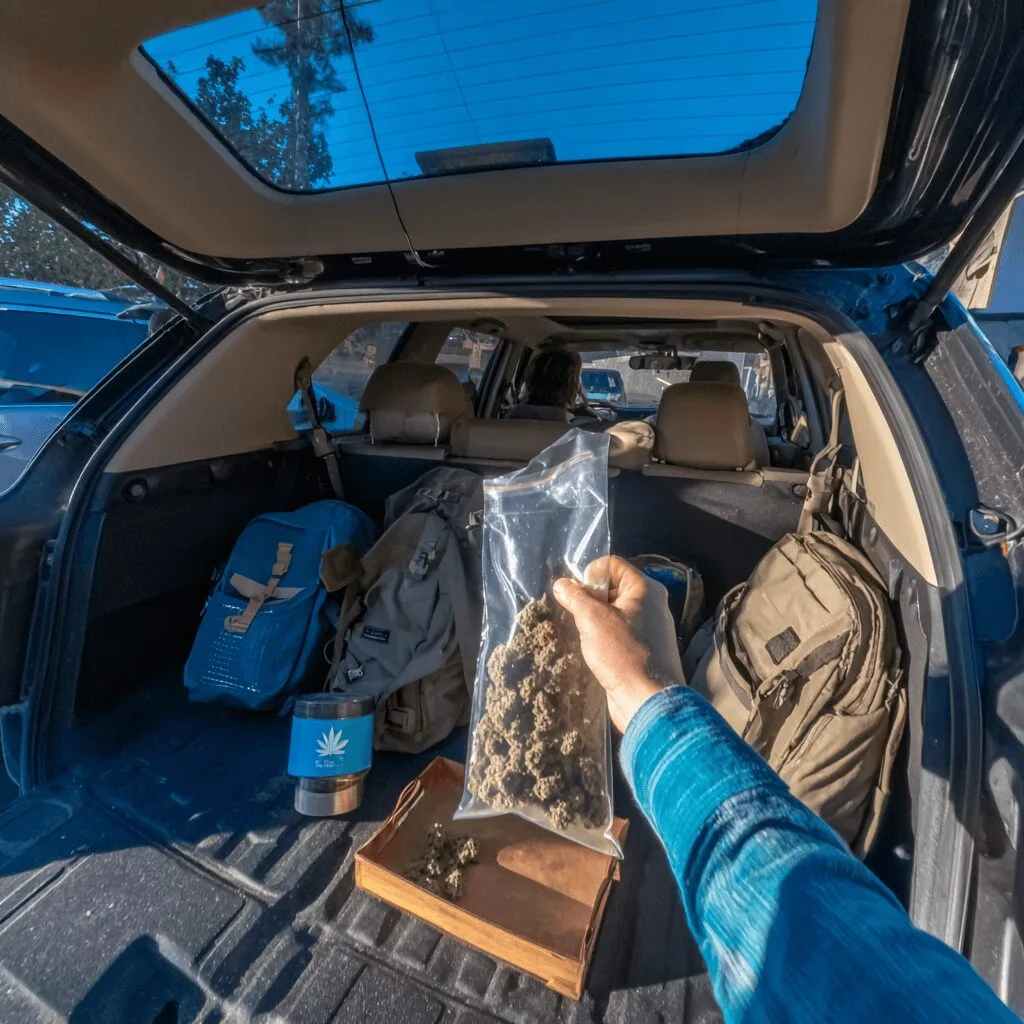
Open package marijuana law: Know why it matters for drivers
In the ever-shifting landscape of legalization, the open package marijuana law is more relevant than ever. As more states roll out cannabis reform, understanding the details of these regulations is critical—especially for anyone who enjoys weed and also drives. With recent updates to packaging laws, consumers and patients are facing new obligations for storing cannabis safely in vehicles. Dive in to find out what this means for your stash, your rights, and your next road trip.
Why Are States Enforcing the Open Package Marijuana Law Now?
As legalization sweeps the nation, lawmakers and regulators are tackling the tough question of public safety. The open package marijuana law exists to reduce impaired driving and address concerns raised by law enforcement and public health experts. According to the National Conference of State Legislatures, cannabis-impaired driving provisions are now a core part of legalization measures in nearly every legal state. These rules typically require consumers to store cannabis in a sealed, original container, preferably out of reach, while driving. The intention? To cut down on both actual impairment and the hassle of proving legality during routine traffic stops. These trends reflect a broader tension between cannabis normalization and ongoing federal prohibition, according to legal sources such as NORML. For example, in places like Massachusetts, the arrival of cannabis cafés and social consumption spaces has generated additional debate over enforcement, mirroring the evolving scope of regulations discussed in recent Massachusetts policy developments.
On the consumer side, confusion persists. Many drivers aren’t sure what counts as an ‘open package,’ what penalties apply, or how these state laws differ from traditional open container laws for alcohol. Socially, these policies are pushing cannabis deeper into everyday mainstream life, but they also carry the risk of disproportionate enforcement if not closely monitored and fairly written.
Key Developments in Open Package Marijuana Law, What Changed?
In December 2025, North Dakota updated its open package marijuana law, catching the attention of drivers and cannabis users statewide. As reported by KFGO, the amended law underscores that marijuana must be transported in its original, sealed packaging within vehicles. The amendment particularly impacts medical cannabis patients and recreational consumers who travel frequently or carry products on daily errands. Violators now risk fines or legal headaches, even when carrying legal cannabis. North Dakota’s clarification that resealed bags, loosely stored buds, or half-used vapes are not acceptable if they aren’t in compliant packaging reflects similar standards as those adopted in Illinois and Colorado, inspired by data from the National Highway Traffic Safety Administration regarding impaired driving. Recent enforcement efforts, such as significant marijuana raids in other states, draw attention to the evolving nature of cannabis policy—see news of authorities’ bold operations for context on how these shifts are playing out in practice in stories like the high-profile Fulton County enforcement action.
Since December 2025, local authorities have emphasized outreach and education over punitive measures, at least at first. But as with any fresh law, the real impact is playing out on the streets, in glove compartments, and in the trunks of countless everyday cars.
Expert Cannabis Analysis: Real-World Impact and Industry Insights
This evolution in open package marijuana law has real consequences for cannabis users—positive and negative. On one hand, it helps normalize cannabis on par with alcohol, signaling broader acceptance. On the other, it amps up the need for consumer education to avoid accidental violations. Industry experts point out that unclear rules could disproportionately affect marginalized communities or medical patients who simply forget to keep products in their childproof containers. As attorney and cannabis advocate Hilary Bricken notes in her legal blog, “The devil’s in the details: most enforcement issues arise not from intent to break the law, but from a gap in understanding dirty details of packaging compliance.” Bricken and other pros say the smartest move for drivers is simple: Keep your stash in original packaging, zipped up and stashed away, just as you would with a bottle of wine. Evolving packaging rules can be hard to navigate—for instance, the impact of new THC legislation in states like Ohio is shifting expectations around personal cannabis use and storage, a trend analyzed in-depth at Ohio’s latest regulatory updates. Cannabis industry organizations, such as Leafly, have highlighted how rapidly-changing packaging rules can be hard even for experienced users to track.
As more states get on board, look for continued debate about the line between safety, privacy, and common sense. Retailers and dispensaries are also stepping up staff training and providing take-home education materials for customers, another sign of the industry’s professionalizing edge.
Looking Ahead: Cannabis, Cars, and Smarter Laws
As the open package marijuana law becomes the new normal across the legal cannabis map, the industry and users both stand to benefit from clearer, smarter regulation. The cannabis community has come a long way from the days of brown paper bags and nervous glances in the rearview. Today, responsibly stashing your product means more than just legality—it signals social maturity and an evolving partnership between users and lawmakers. According to Marijuana Moment, a growing number of states are considering measures to clarify transportation rules while expanding patient and adult-use rights. So, keep your bud sealed tight and enjoy the ride—the future of cannabis law is only getting greener and more user-friendly.
Originally reported by: kfgo.com



1 Comment
Pingback: Michigan cannabis tax changes: What the new rules mean for you