


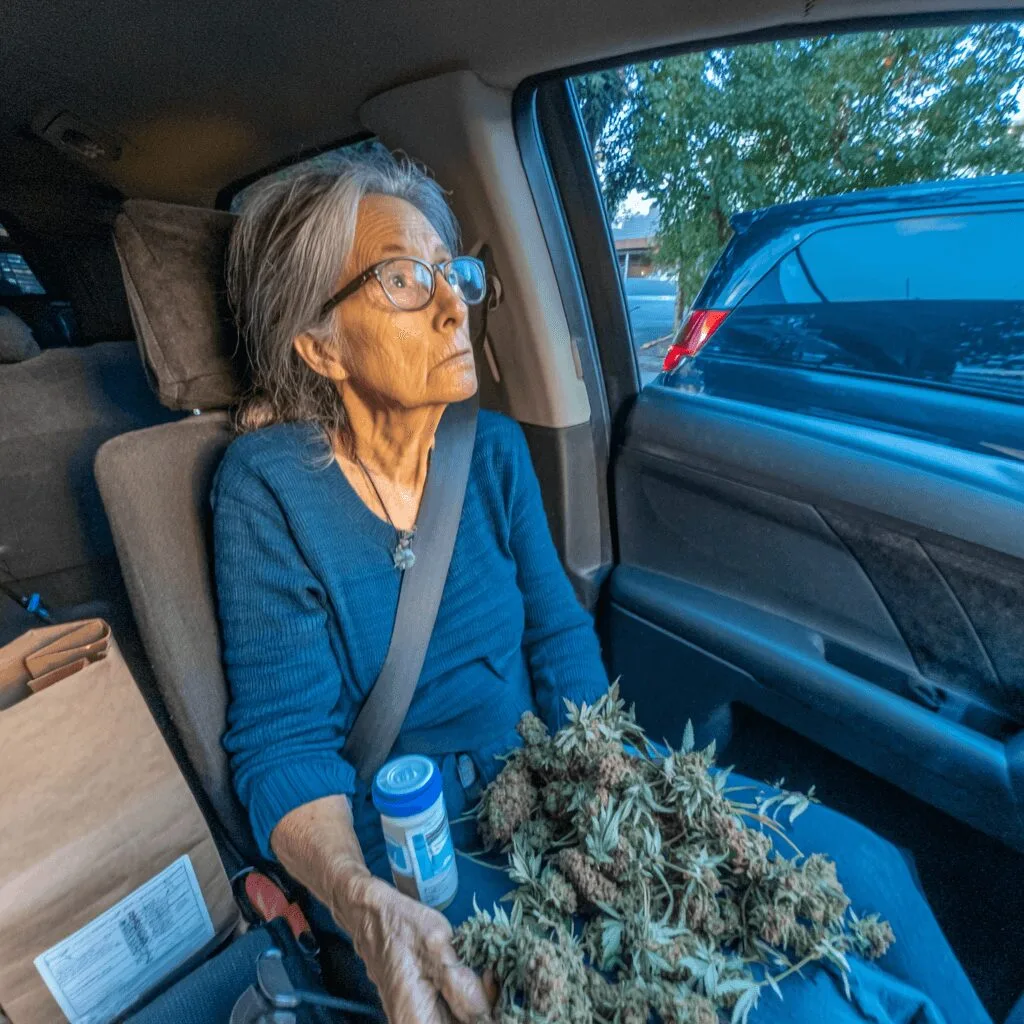
Cannabis-related crashes older adults: What you must know now
Let’s be real—cannabis legalization has taken off across North America, but concerns are growing about the intersection of weed and road safety, especially among seniors. The phrase that can’t be ignored is ‘cannabis-related crashes older adults.’ As more older adults try cannabis, researchers and policymakers are waking up to unique risks this group faces behind the wheel. This article uncovers what’s really going on, what new studies say, and what smart cannabis advocates need to know right now.
Understanding the Landscape: Cannabis, Older Adults, and Traffic Safety
The cannabis market has exploded, with legal access for medical and recreational use in over 20 US states and much of Canada. Pew Research reports that over 88% of Americans support some type of legal cannabis. For older adults, this means more are exploring cannabis for pain, anxiety, and sleep issues. However, few realize that aging changes how our bodies process weed. Regulatory agencies like NHTSA warn that even low doses can cause more pronounced motor and cognitive impacts after age 65. As the regulatory landscape continues to evolve and lawmakers push for more restrictions, states such as Ohio are currently debating major changes—see the latest updates on Ohio’s hemp and marijuana legislation overhaul. Mix shifting laws, increased access, and sometimes outdated perceptions about impairment, and you have a recipe for new road safety challenges. That’s why cannabis-related crashes older adults is on the minds of policymakers everywhere.
What the Latest Studies Reveal: Cannabis-Related Crashes Older Adults in Focus
The recent study covered by Newswise brought urgent attention to cannabis-related crashes older adults. Researchers from the University of Michigan analyzed national crash data from 2016 to 2020. They discovered a rising trend: cannabis-involved crashes among drivers aged 65 and up increased about 20% over five years. The study also found older adults are more likely than younger drivers to have prescription medications in their system—often in combination with THC. In France, meanwhile, the shifting drug landscape has garnered attention as new data reveals that cocaine usage has overtaken cannabis, reflecting evolving trends and risk factors across different age groups—learn more about the surprising drug market shift in France. This mash-up can heighten crash risk even with responsible use. Notably, legal limits for cannabis blood levels differ wildly between states, as do testing methods and law enforcement training. There’s also a staggering lack of tailored public education for seniors around cannabis and driving. Health Canada and the CDC have sounded alarms, but U.S. initiatives remain patchy.
Expert Insights: Industry Perspectives and Pro-Cannabis Analysis
It’s easy for headlines about cannabis-related crashes older adults to trigger kneejerk reactions. However, experts emphasize a nuanced understanding. Cannabis affects older adults differently, partly due to slower metabolism and higher medication use. Dr. Michael White from the University of Connecticut School of Pharmacy cautioned via Forbes: “We can’t treat cannabis like alcohol when making driving rules, especially for seniors.” He adds, “Most older adults use cannabis for wellness. Many are surprised by its psychoactive effects, especially if returning after decades.” Cannabis advocates underscore that safe, moderate use isn’t new for older adults, but education needs to keep pace with shifting demographics. As advocacy groups step up their push for better public education for those over 60, best practices around compliance, responsible marketing, and safety can offer protection and empowerment—explore why cannabis marketing compliance is becoming pivotal for industry brands. According to MJBizDaily, advocacy groups are calling for public health campaigns tailored for those over 60. Incorporating road safety advice could help protect seniors while honoring their autonomy and use for medical relief.
Looking Forward: Safer Consumption and Smarter Regulation for Older Adults
The cannabis industry is evolving quickly, and so must our approach to education and regulation, especially when it comes to cannabis-related crashes older adults. With more research, honest conversations, and community-driven campaigns, we can support the wellbeing of older adults who use cannabis. Credible organizations like the NORML continue to advocate for science-based standards, not stigma-based rules. The future? A landscape where supporting older cannabis users means encouraging responsible driving habits, safe dosing, and access to quality education. Society is on the way to balancing safety and personal freedom, making the roads—and the industry—a lot greener for everyone.
Originally reported by: newswise.com