


How Psilocybin Rewires Brain: Discover The Science of Unlearning Fear
If there’s one thing that’s getting both the wellness world and neurogeeks stoked in 2024, it’s the way psilocybin rewires brain pathways to help us shake off those deep-rooted fears. Cutting-edge studies and a booming public curiosity now back what cannabis advocates have whispered about for years—mushrooms can help reprogram our minds. With mental health at a crossroads and new research surfacing almost daily, understanding how psilocybin rewires brain chemistry isn’t just trending, it’s essential. Today’s feature explores why this matters more than ever, revealing what the latest science, policy shifts, and lived experience are showing. We’ll cover the wild breakthroughs, expert insights, and what this could mean for cannabis’s future in the mental health revolution.
Background: Legal, Social, and Scientific Context, Psilocybin’s Big Moment
The journey toward mainstream acceptance for psychedelics like psilocybin, and their cannabis cousins, has been rocky and fascinating. Only a few years ago, having an honest conversation about how psilocybin rewires brain circuits would have felt risky at best and career-ending at worst. Times have changed fast. As Nature explains, a new wave of research and public debate is reshaping regulations in states like Oregon, where voters decriminalized psilocybin-assisted therapy in 2020. These changes piggyback on shifts in cannabis law too, where medical weed is legal in 38 states and adult-use markets are thriving, according to Marijuana Policy Project. Social momentum is huge, as more folks see mental health support as a basic human right, the pressure for accessible, science-backed solutions stacks up. For instance, developments like the expansion of Texas medical marijuana access show how cannabis policy can evolve rapidly, supporting both patients and providers—see recent updates on growth in the Texas market. The big theme? The intersection of cannabis, psychedelics, and neuroscience is less counterculture now and more mainstream health revolution, especially with the growing evidence that psilocybin rewires brain activity tied to trauma and anxiety.
Key Developments: What Science Reveals, Psilocybin Rewires Brain Networks
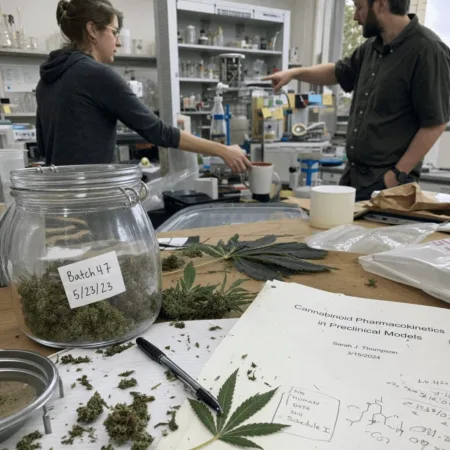
What’s the big deal with psilocybin, anyway? According to a recent study highlighted by PsyPost, psilocybin prompts the brain to disconnect and “go off the grid” from ingrained, fear-based neural patterns. In the study, researchers found that mice administered psilocybin showed a dramatic reduction in the activity of fear-signaling pathways by literally silencing certain neural circuits. This effect didn’t just dampen response, it helped subjects unlearn fear altogether, a step up from the mere symptom-masking typical antidepressants provide. Key scientists behind the work, like Dr. Ling-Xiao Shao at Princeton University, point out these findings could lead to a revolution in treating PTSD, anxiety, and more in humans. Why the attention? Because traditional therapies don’t always reach deep enough to rewire brain pathways at the root of trauma. The mechanics here make a huge case for why psilocybin’s potential, and its accurate, legal usage, deserve thoughtful regulation and research funding, as also noted in recent JAMA Psychiatry coverage. These regulatory conversations echo broader trends in how U.S. cannabis regulation changes are shaping the industry, which you can learn more about from recent policy shifts here.
Expert Insights: Cannabis, Psilocybin, and the Healing Frontier
Let’s be real, there’s always been a natural alliance between the cannabis and psychedelic camps, both looking to challenge the one-size-fits-all status quo in mental health and wellness. Discussions around how psilocybin rewires brain cells now take center stage at industry panels. To quote Dr. Amanda Feilding from the Beckley Foundation—a legendary name in drug policy reform—“We’re only beginning to understand just how powerful the interplay of psychedelics and the endocannabinoid system can be for mental health.” (Beckley Foundation). Industry leaders now urge regulators to examine psilocybin’s neural impacts alongside cannabis’s well-documented anxiolytic benefits, as reported by Leafly. The industry buzz is that these compounds could work together or in sequence to accelerate neural recovery and promote emotional resilience, moving beyond symptom control to real healing. If you’re interested in how medical cannabis is influencing opioid use and pain management options for real patients, recent pain relief stories provide valuable insights. The science behind how psilocybin rewires brain networks is breathing new credibility into natural medicine, and also keeping Big Pharma on its toes.
Future Outlook: Where Cannabis, Psilocybin, and Mental Health Meet
Let’s face it—neither cannabis nor psilocybin is going back in the box. As evidence piles up on how psilocybin rewires brain mechanics for better mental health, forward-thinking states and researchers are racing to set standards, not just play catch-up. According to NORML, broader acceptance of cannabis has paved the way for society to responsibly consider psychedelics, opening new possibilities for holistic care. The coming years should see expanding clinical trials, more nuanced policy reform, and full-on market integration of these plant medicines. For advocates and patients alike, it’s an optimistic time: stigma is fading, science is thriving, and the vision for truly integrative, evidence-driven mental health support is taking shape.
Originally reported by: psypost.org