





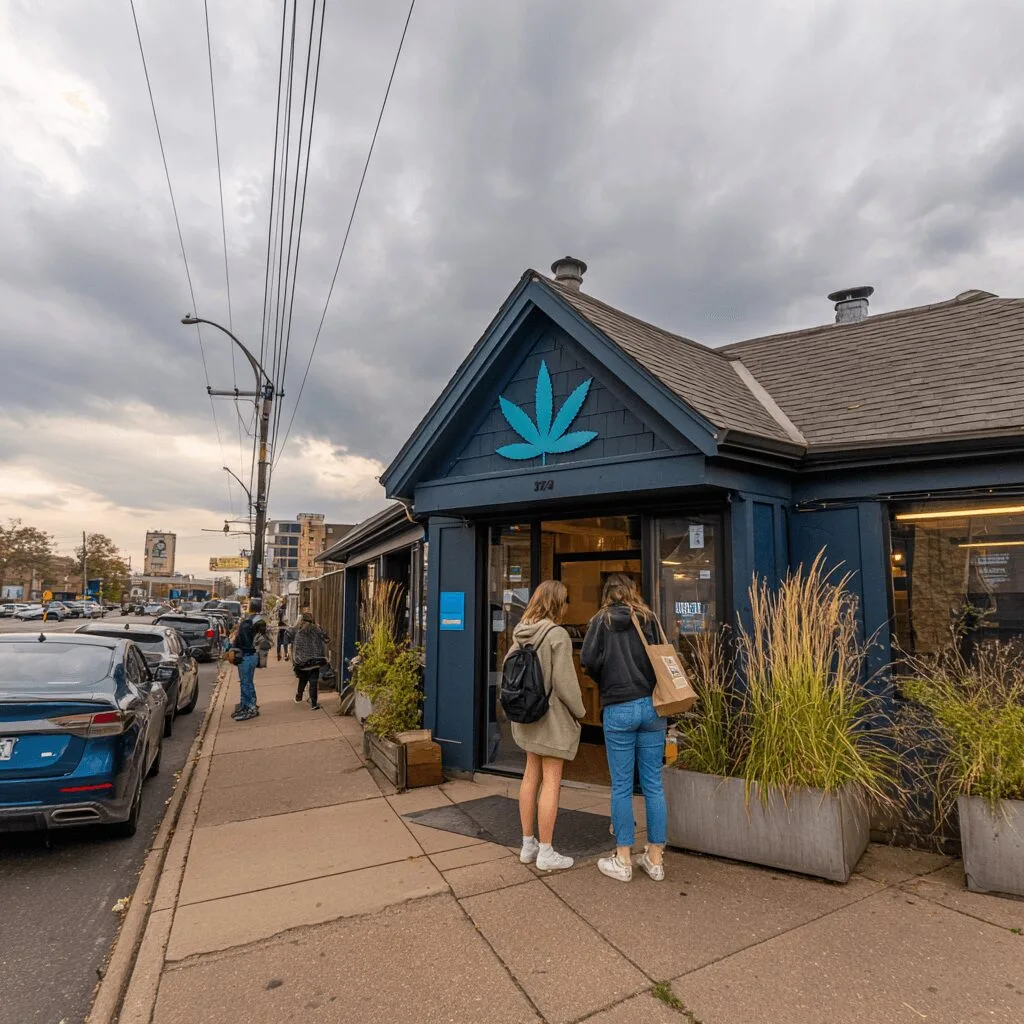
Dank 716 dispensary closure: What Buffalo needs to know now
The buzz in Buffalo’s cannabis community just got a little heavier: the Dank 716 dispensary closure is sending shockwaves through the local market. With ever-evolving regulations and mounting legal pressures, the closure impacts more than just regular customers. It reflects deeper issues rattling New York’s retail cannabis landscape. If you’re wondering what went down, how it affects cannabis culture, and where the Buffalo scene goes from here, we’ll break it all down for you right here, blending real talk with industry insight. Let’s get into what every cannabis enthusiast and advocate should know about the Dank 716 dispensary closure.
Why the Dank 716 Dispensary Closure Matters: Regulatory, Social, and Market Forces
The story behind the Dank 716 dispensary closure digs into the complex world of cannabis licensing, evolving New York State regulations, and shifting social norms. New York’s recreational cannabis rollout was supposed to set a new industry gold standard, but the transition to licensed retail has been anything but smooth. According to MJBizDaily, legal dispensaries face a flood of unlicensed shops, regulatory bottlenecks, and law enforcement crackdowns. Socially, Buffalo has leaned progressive on cannabis use, but many residents still encounter old stereotypes or confusion about what’s legal where. The challenges in obtaining legitimate cannabis products have led some residents to rely on alternative sources, similar to those seen in cases like marijuana-related thefts that shake industry confidence across towns like Blasdell. Supply chain slowdowns, zoning restrictions, and community pushback continue to create headache-level challenges for anyone operating a shop like Dank 716. As a result, every closure, especially that of a spot as well-known as Dank 716, echoes throughout the city, shaping public perception and future policy debates.
Inside the Dank 716 Dispensary Closure: What Actually Happened?
Let’s roll up the facts. Dank 716, a well-loved independent dispensary in Buffalo, was forced to close after regulatory enforcement in late May 2024. According to detailed reporting by The Buffalo News, the closure stemmed from state regulators finding Dank 716 out of compliance with new retail cannabis requirements. The shop, previously operating in a legal gray area, became a target for state enforcement after renewed efforts to rein in unlicensed stores and streamline adult-use licensing. Owners say they did their best to stay above board, but the evolving, sometimes contradictory legal environment made it almost impossible to stay one step ahead. This is not unlike the confusion surrounding police enforcement powers in other regions, as seen with issues like police scrutiny and legal nuances elsewhere. They received an official order to halt operations on May 29, 2024. State officials cited violations tied to recordkeeping, product tracking, and licensing documentation, issues becoming all too common across New York’s retail cannabis scene, as also highlighted by NORML. Loyal customers, meanwhile, were left in limbo, and many voiced support for Dank 716’s attempt to legitimize their business even in the face of shifting state policies.
Cannabis Industry Analysis: What the Dank 716 Dispensary Closure Reveals
The Dank 716 dispensary closure points to pain points across New York’s cannabis landscape, with regulatory kinks, legal landmines, and the clash between legacy culture and modern business norms coming into sharp focus. For Buffalo, these closures hit close to home since independent dispensaries are lifelines for education and community, not just commercial hubs. The stress of adapting to sudden legal changes is echoed in personal narratives of those navigating cannabis regulations, such as individuals sharing their recovery journeys amidst an ever-changing marketplace. Leafly observes that rushed enforcement without streamlined pathways for legacy operators “pushes long-standing community players out, while benefiting corporate newcomers.” In the words of cannabis policy advocate Shaleen Title, as quoted by Marijuana Moment, “You build a real industry by helping legacy operators transition, not by shutting them down.” The closure also highlights persistent stigma; those who built local cannabis culture are often treated as outlaws, not entrepreneurs. Across New York, delays in issuing adult-use licenses, opaque zoning rules, and a patchwork of enforcement actions have forced many shops like Dank 716 to make tough calls: close shop, go underground, or risk heavy fines. However, these stories also spotlight how advocacy and education can still shape outcomes, keeping cannabis reform alive at the ground level.
What’s Next After the Dank 716 Dispensary Closure?
Even as the Dank 716 dispensary closure leaves a void, Buffalo’s cannabis scene keeps adapting. Industry insiders expect tighter regulations to eventually yield more stable, transparent markets across New York, according to Benzinga. Community support for legacy dispensaries is rising, and efforts continue to break down outdated cannabis stigmas. While setbacks sting, each closure reminds both advocates and policymakers that clarity, fairness, and advocacy still matter. The hope is the next generation of dispensaries will benefit from the lessons learned—pushing for reforms, building equity, and serving cannabis lovers citywide. As always, stay tuned, stay informed, and support your local scene—because even after the Dank 716 dispensary closure, Buffalo’s green future is anything but dim.
Originally reported by: buffalonews.com
1 Comment
Pingback: Evidence Medical Marijuana Prescriptions: What Researchers Reveal