

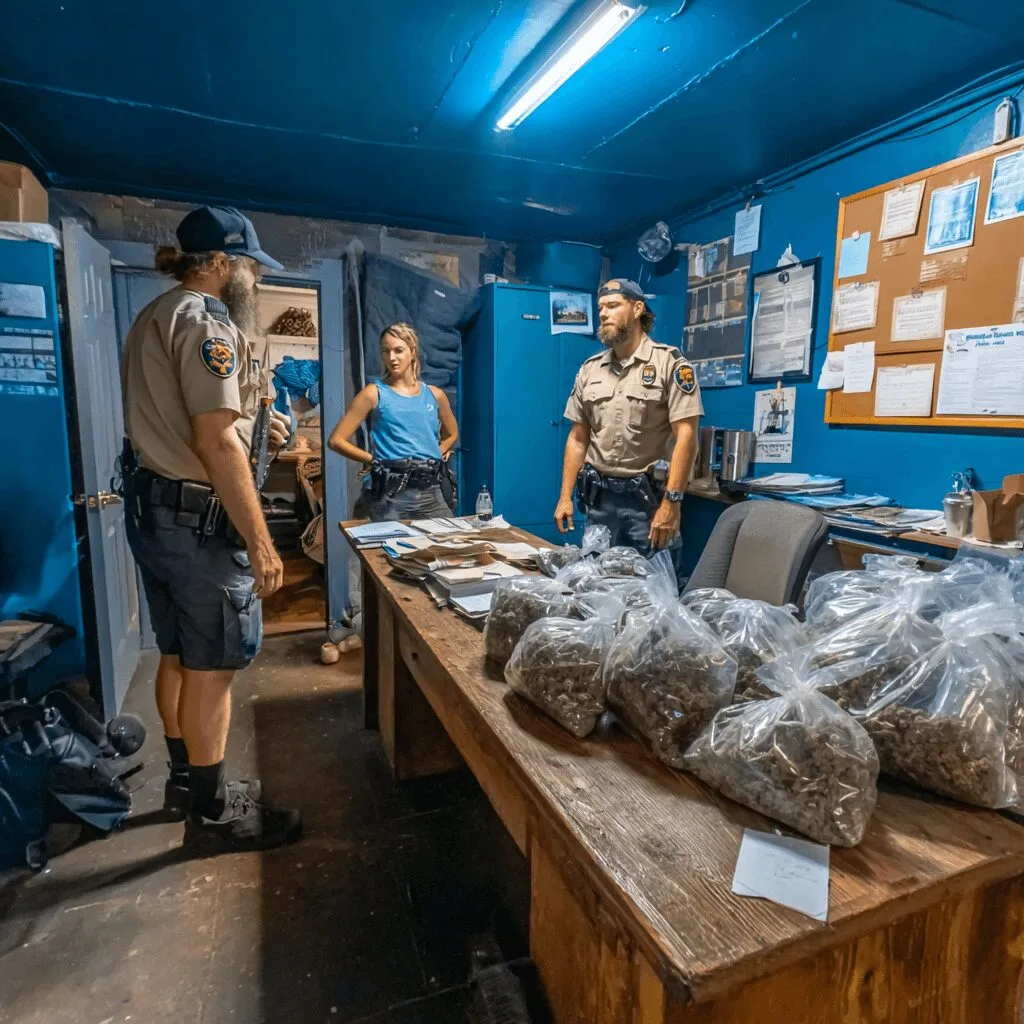
Blasdell marijuana theft: Police deny $389,000 cover-up claims
Right now, the cannabis world is buzzing—and not just from flower. The Blasdell marijuana theft case is lighting up headlines, with stashroom drama, police denials, and a whopping $389,000 in cannabis gone missing. As legalization reshapes New York, stories like this echo through the industry, raising hot questions about transparency, regulation, and how green is managed. Let’s break down what really matters about the Blasdell marijuana theft and why the whole sector is watching.
Behind the Blasdell Marijuana Theft: Legalization’s Growing Pains
As New York tightens up its cannabis policy, incidents like the Blasdell marijuana theft reveal the bumpy roads of regulation and acceptance. For decades, weed was underground. Now, as NYS’s Office of Cannabis Management builds the rules and oversight, mistakes and loopholes emerge, sometimes with serious cash on the line. Legally, seized cannabis must be logged, secured, and reported. But early recreational markets often lack robust protocols, according to ongoing industry analyses from MJBizDaily. Trust between law enforcement and communities is also evolving, as public incidents have begun shifting how families talk about risks like children accidentally ingesting edibles, which you can read more about here. This sets the stage for high-profile incidents, ongoing exposures, and fierce debates about accountability.
Blasdell Marijuana Theft: What Happened and Who’s Involved?
The main plot: $389,000 worth of cannabis, once confiscated as evidence in Blasdell, vanished in a haze of confusion and controversy. According to a detailed Buffalo News report, Blasdell police are firmly denying any cover-up regarding the missing marijuana, even as accusations fly. Disputes in the community have echoed concerns similar to other high-profile public safety incidents, such as the Shelton garbage truck accident that stunned a neighborhood and brought local procedures into the spotlight. A lawsuit claims mishandling, alleging that officers failed to secure or report the product, leading to its disappearance from the evidence locker. The incident took center stage in early June 2024, stirring local outrage and bringing state oversight into question. Numerous statements and filings referenced not just the theft, but broader mistrust in how small-town departments manage rapidly changing regulations. At heart, the Blasdell marijuana theft is now a flashpoint for New York’s legal cannabis rollout, as authorities scramble to prove their procedures are up to code.
Expert Insights: What the Blasdell Marijuana Theft Means for the Industry
The Blasdell marijuana theft isn’t just a local crisis, it ripples through the whole cannabis landscape. Security, transparency, and product tracking are now essential for legal operators and regulators alike. As Leafly industry columnist Bruce Barcott put it, “Any gap in evidence protocol instantly undermines public trust and opens the door to renewed anti-cannabis rhetoric.” Proper storage, clear paper trails, and third-party audits are now standard best practices. Meanwhile, debate is alive: is this about cannabis, or simply about human error and outdated processes? Cannabis law and policy experts frequently compare such events to challenges faced when new legislation transforms local communities, much like what has occurred with the evolving landscape after Eastpointe’s medical marijuana reforms. In the words of cannabis policy expert Shaleen Title (cited in Marijuana Moment), “High-profile losses underscore the urgency for reform, not retreat. Every emerging market faces these growing pains.”
Future Outlook: Lessons Learned, Industry Answers
If there’s a silver lining to the Blasdell marijuana theft, it’s that the industry is forced to level up. Across the US, states are revising their regulations post-crisis, with Cannabis Business Times reporting renewed investment in secure storage and tracking tech. Public attitudes continue to warm, as seen in Gallup’s record-high support for legalization. While stumbles like this sting, they’re also reminders: transparency, equity, and professionalism are the new normal. The smartest cannabis markets are those that learn, adapt, and come back stronger. And as Blasdell—and New York—recalibrate, the bigger picture is clear: the cannabis movement isn’t going up in smoke. It’s evolving, fast.
Originally reported by: buffalonews.com