





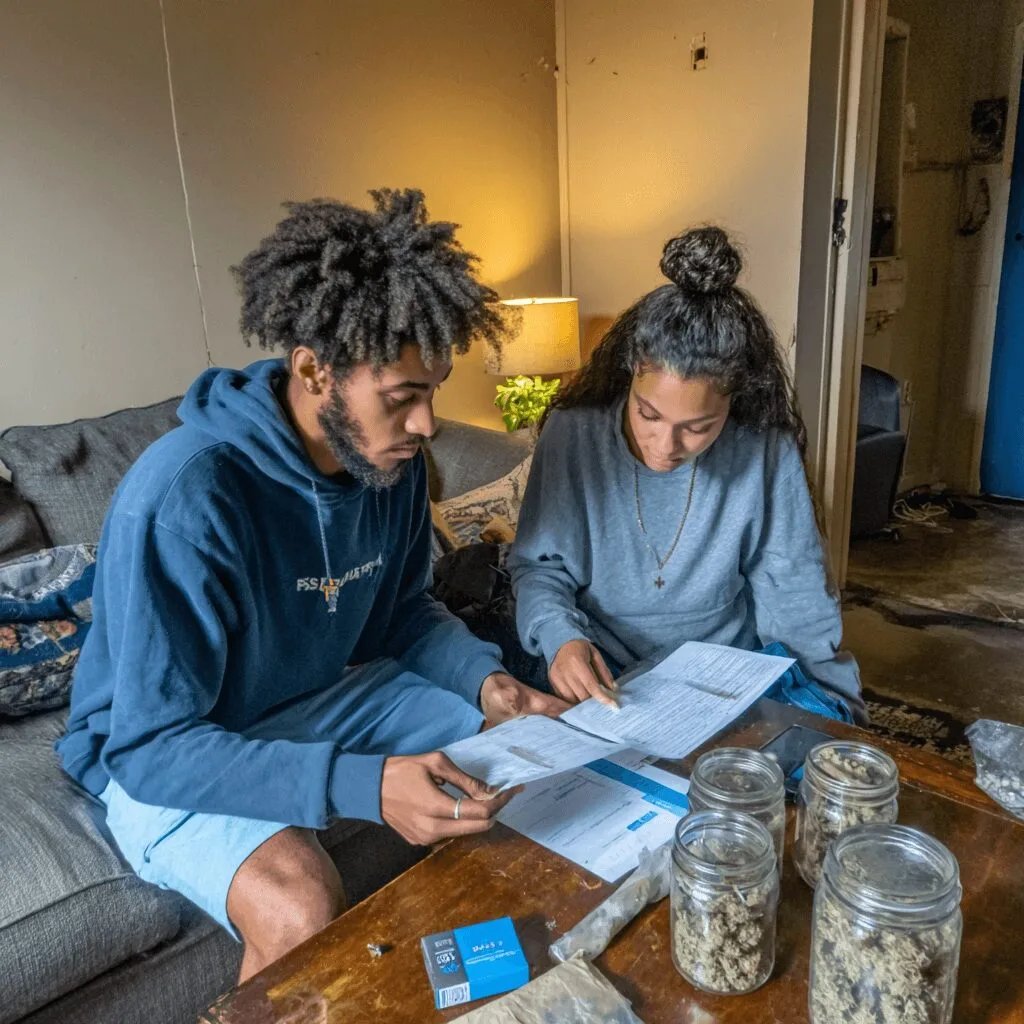
Hemp Industry Loophole Shocker: What Big Changes Mean for You
Right now, the hemp industry loophole is making headlines for shaking up regulations and opening major conversations across the cannabis world. Whether you’re a seasoned connoisseur or just watching the changing laws, this topic hits close to home. Recent developments could seriously impact how consumers, growers, and sellers interact with hemp-derived products. In this article, you’ll discover what’s driving these legal shifts, why loopholes matter, and, most importantly, how the coming changes could impact your daily, smoke-filled rituals. Let’s break it down, light up some clarity, and keep things real about the hemp industry loophole.
What Fuels the Hemp Industry Loophole Surge?
The story of the hemp industry loophole starts with the 2018 Farm Bill, a game-changer that legalized hemp cultivation and defined it as cannabis containing less than 0.3% delta-9 THC by dry weight (USDA official policy). But regulators didn’t see the whole picture: distillates, edibles, and vape products could be tweaked to stay under the federal THC cap, while delivering more potency than Congress likely anticipated. This allowed for manufacturing of novel cannabinoids like delta-8 THC, which are intoxicating but slid through regulatory cracks. These gray zones have accelerated market growth, but also sparked pushback from lawmakers, health groups, and the public. As NORML notes, the lack of clear oversight has produced a confusing, patchwork regulatory landscape for industry players nationwide. While social acceptance of cannabis has grown, safety issues tied to unregulated edibles—recent incidents even saw young children hospitalized after consuming mislabeled THC gummies, drawing urgent concern—show how the new market is both exciting and risky. (See recent incidents highlighting these risks)
Inside the Latest Hemp Industry Loophole Shakeup
This year, the hemp industry loophole found itself under scrutiny as states like Illinois, Texas, and Kentucky enacted stricter regulations. According to Benzinga Cannabis News, in April 2024, the Texas Supreme Court affirmed the state ban on delta-8 THC, a move designed to close legal gaps on intoxicating hemp derivatives. Illinois lawmakers moved ahead with SB 776, targeting most synthetic THC products and citing youth safety and unpredictable potency as key concerns. In response, companies like 3Chi and Hometown Hero quickly revamped labeling, shifted formulas, or withdrew products from certain markets. The DEA also increased enforcement by issuing warnings about misleading delta-8 marketing, outlining public health risks in an FDA official bulletin. Numerous state legislatures are actively proposing further restrictions or guidance around hemp-derived cannabinoids. These legal developments factor into a broader climate for cannabis, similar to the changes affecting TSX-listed cannabis stocks which saw a significant surge recently, hinting at how legal crackdowns and reform can quickly reshape industry opportunities. (Recent market reactions provide insight) If you’re active in the market as a grower, vendor, or consumer, this evolving landscape of the hemp industry loophole directly impacts you.
Industry Analysis: What Does the Hemp Industry Loophole Really Mean?
So, what’s the true impact of the evolving hemp industry loophole? For many consumers, the landscape resembles a legal patchwork: what’s permitted in one state is banned in another, and sudden policy shifts keep everyone guessing. Manufacturers must pivot rapidly, sometimes testing and relabeling entire inventories within weeks. As cannabis business expert Lisa Pittman observes, “The loophole has enabled a creative, fast-moving market, but it’s also left us in regulatory limbo that’s unsustainable long-term” (MJBizDaily). However, the same legal ambiguity has fostered innovation—patients in restrictive states now access hemp-derived options, and small businesses have grown. If Congress or state legislators pursue sensible oversight—instituting strong testing and honest labeling while safeguarding patient access—the industry can evolve without losing its entrepreneurial drive. According to the National Cannabis Industry Association, balanced policies are key to maintaining both consumer safety and business potential (NCIA official). The ongoing policy debates echo larger conversations, like those about the Minnesota hemp regulation model, which has drawn national interest for its unique approach to balancing safety and innovation. (Minnesota’s example continues to influence policy nationwide)
What’s Next? The Future of Hemp, Cannabis—and Loopholes
Despite the current turbulence, optimism still defines the cannabis community. Every shakeup is a sign that the cannabis world is growing—fast. Battles over the hemp industry loophole might make headlines, but they also show how much mainstream interest and acceptance hemp has gained. States are testing boundaries, voters are getting educated, and the call for national standards is getting louder every season. As reported by Leafly, the next evolution will likely bring tighter, fairer regulations that create clarity for consumers and legitimacy for responsible companies. Keep learning, stay alert, and remember: in this green revolution, loopholes are just growing pains on the path to greater freedom and better products for everyone.
Originally reported by: today.westlaw.com

1 Comment
Pingback: MJBizCon cannabis rescheduling rumors: What’s really happening?