





Oklahoma Marijuana Bust: Inside the Major Yale Seizure
The Oklahoma marijuana bust in Yale has grabbed headlines, highlighting ongoing friction between local industry operators and state law enforcement. As demand for legal cannabis surges, the recent crackdown isn’t just news—it’s part of a broader debate on how Oklahoma manages marijuana’s legal and illegal supply chains. With thousands of plants seized and local businesses under scrutiny, this case offers a lens into rapidly changing cannabis policy, enforcement trends, and the future of regulated markets in the Sooner State.
Regulatory and Social Context: How Did We Get Here?
Oklahoma’s medical marijuana program, established under State Question 788, is one of the most accessible in the country. According to NORML, the state has become a magnet for cultivators and entrepreneurs because of low barriers to entry and strong patient demand. But this open-door approach comes with a twist, as state regulators and the DEA have raised flags about illegal grows and potential diversion, leading to increased enforcement action. Some regions, much like communities affected by dramatic local drug busts elsewhere, have seen their economies boom, but occasional busts such as the latest Oklahoma marijuana bust highlight the ongoing challenge: striking a balance between supporting responsible business, protecting community safety, and ensuring compliance.
The Major Yale Seizure: Facts, Details, and Fallout
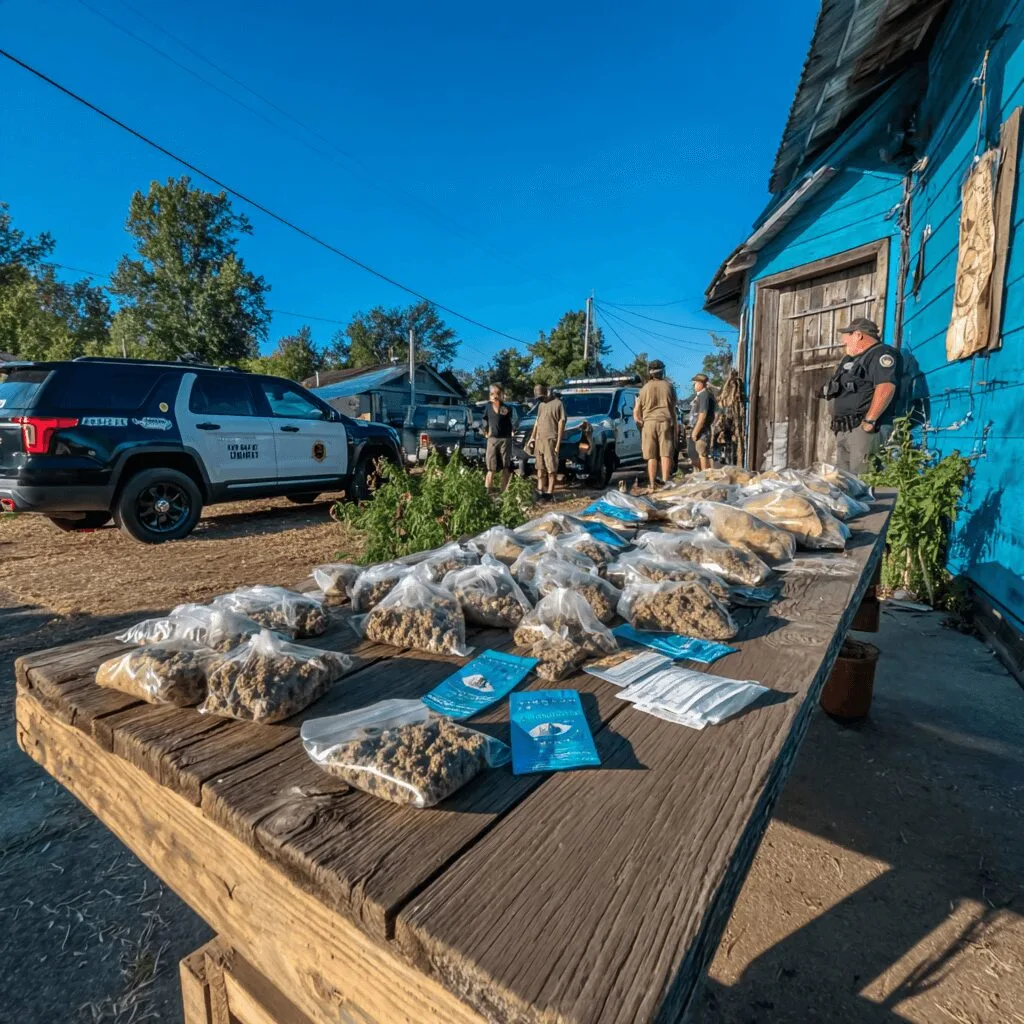
On June 7, 2024, agents with the Oklahoma Bureau of Narcotics (OBN) targeted a rural Yale property, confiscating over 7,000 cannabis plants and hundreds of pounds of processed marijuana. According to FOX23 News, this Oklahoma marijuana bust is part of a continuing statewide enforcement blitz aimed at curbing suspected illegal operations. The OBN alleges that operators lacked required licensing, which constitutes a serious charge under current state law. Authorities found both live plants and finished product, with evidence hinting at potential out-of-state distribution. Although no arrests were immediately reported and investigations are still ongoing, regulatory paperwork for the busted organizations is now under review. Enforcement priorities like this, as seen in other prominent seizures such as the recent roadside marijuana haul in South Carolina, underscore that cases like these receive heightened law enforcement focus, especially while agencies like the Oklahoma Medical Marijuana Authority strive for greater transparency in the state’s expanding market.
Expert Insights: Industry Repercussions, Lessons from the Oklahoma Marijuana Bust
This Oklahoma marijuana bust brings major industry tensions to light. On one hand, it clearly signals that state regulators are serious about fighting illegal grows. On the other, the crackdown raises important questions about whether existing compliance frameworks are too complex for legitimate operations. As reported by Marijuana Moment, intense enforcement activity often brings unintended side effects for small businesses, such as eroded trust, disrupted supply chains, and anxious investors. According to cannabis attorney Rachel Gillette, “Regulatory complexity shouldn’t be a barrier for good actors trying to operate above board. Busts like these show the need for streamlined compliance and more education, not just force.” Solutions like regulatory refinement and better education—similar to actions underway in other regions where enforcement and advocacy intersect—may help Oklahoma’s legal cannabis market mature. Most Oklahoma growers, in the end, are focused on operating responsibly, providing jobs, and supplying patients in need.
Looking Forward: Can Regulation, Commerce, and Access Co-Exist?
Despite the challenges spotlighted by this Oklahoma marijuana bust, most signs point toward a cannabis industry in evolution, not retreat. Regulatory agencies are ramping up audits and updating rulebooks, while grassroots advocates keep fighting for fair, responsible access. According to recent analysis from Leafly, patient demand and business innovation in Oklahoma remain strong, even as law enforcement sharpens its game. With open dialogue and smarter regulation ahead, the state’s cannabis sector could emerge even stronger—more transparent, more equitable, and more trusted by patients and communities alike. The journey isn’t over, but with a little creativity and honesty, Oklahoma could provide a blueprint for balancing enforcement and opportunity in America’s fastest-growing cannabis market.
Originally reported by: fox23.com
1 Comment
Pingback: Minnesota marijuana logistics crisis: What’s really disrupting the market?