



Nova Scotia cannabis enforcement: Inside the crackdown
Nova Scotia cannabis enforcement is front and center in today’s headlines, and for good reason. Authorities across the province are intensifying their focus on curbing the illicit cannabis market, pushing enforcement strategies into the spotlight. At the same time, demand for safe, legal cannabis is surging, making this a hot-button issue for the entire region. Recent government calls for community collaboration—especially with Mi’kmaq leaders—signal a turning point that could shape the next chapter for Nova Scotia’s cannabis industry. Let’s break down what’s happening, why it matters, and how enforcement moves are rippling through the cannabis landscape.
Changing Regulatory Landscape & Community Partnerships in Nova Scotia
Cannabis legalization has shaken up Canadian provinces since the Cannabis Act took effect in October 2018. But enforcement remains a patchwork, especially in Nova Scotia where policing illegal sales and partnerships with Indigenous communities add complexity. Provincial regulators are grappling with a robust unlicensed market, despite strict distribution models and heightened public safety campaigns. As highlighted in Health Canada‘s resources, collaboration between municipal government, enforcement agencies, and Indigenous leadership is vital for effective cannabis control. Mi’kmaq communities hold significant authority, especially where self-governance and jurisdictional overlap spark debate. Community awareness has taken center stage in light of incidents where unregulated products led to accidental consumption, with one recent school incident involving edibles serving as a wake-up call for parents. Ensuring all stakeholders have a seat at the table is now an urgent focus for Nova Scotia cannabis enforcement, and this broader social approach aims to foster both public trust and economic opportunity amid shifting market realities.
Key Developments: Enforcement Pushes and Mi’kmaq Engagement
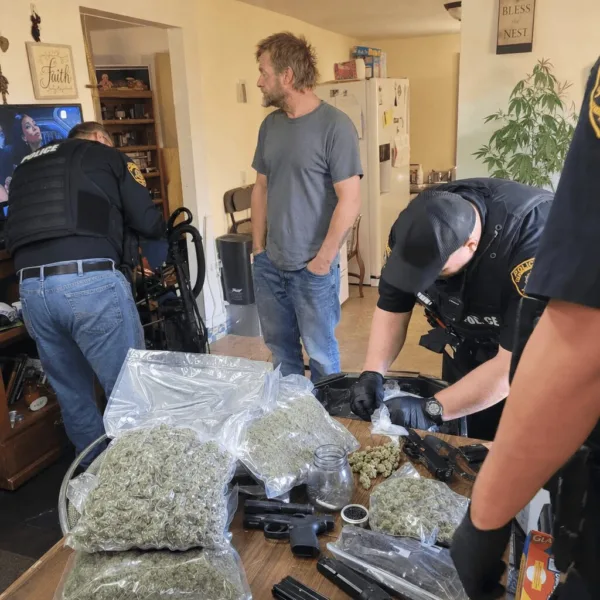
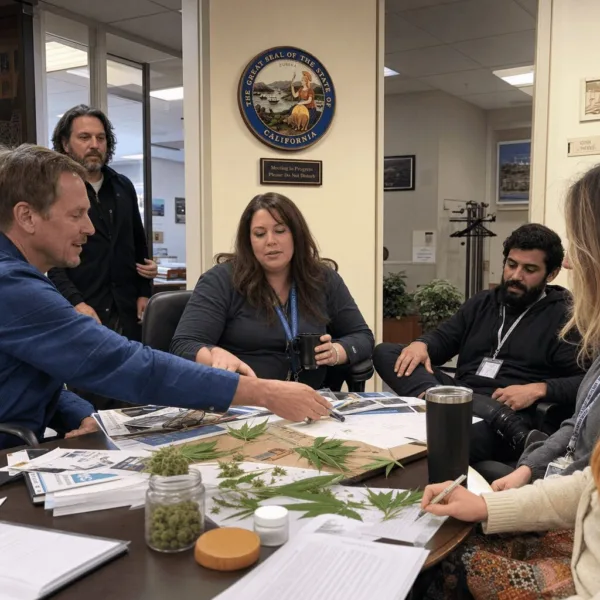
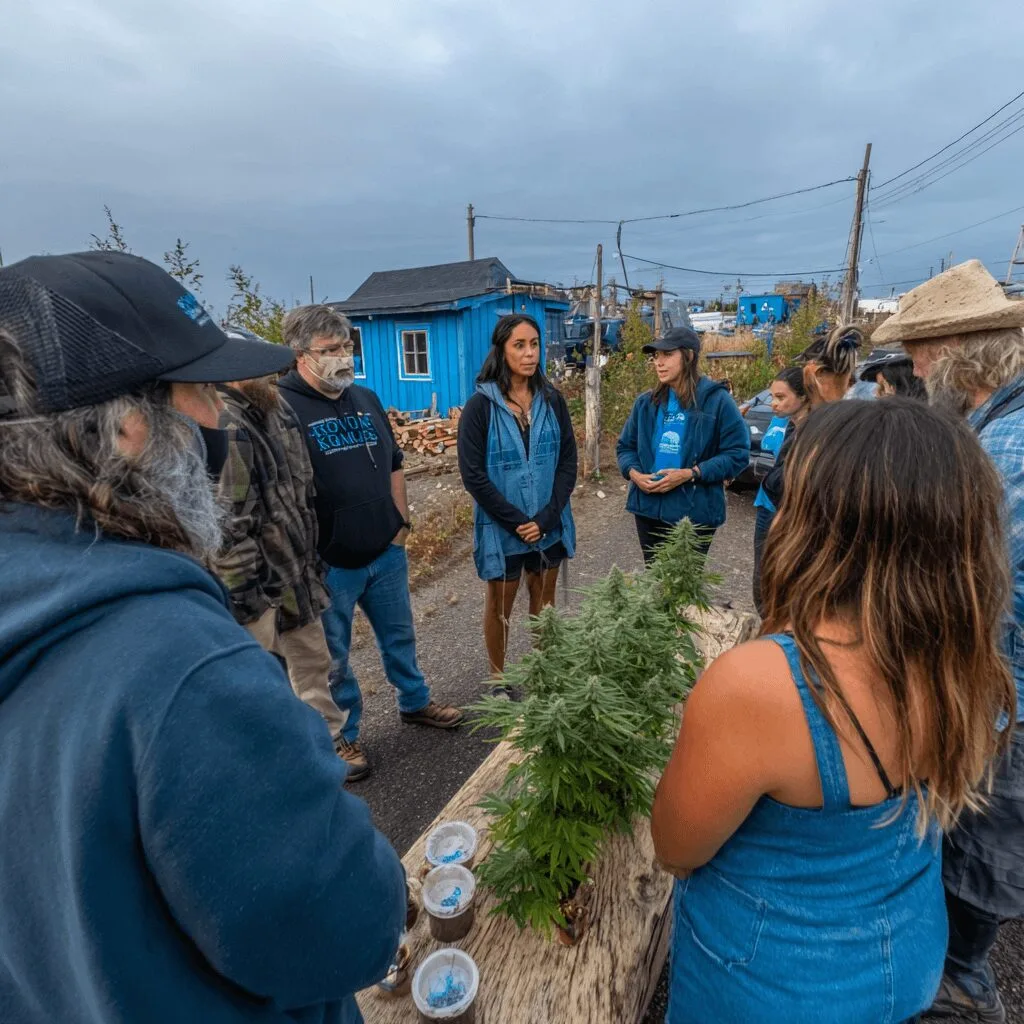
The latest Nova Scotia cannabis enforcement push kicked off when provincial officials asked Mi’kmaq chiefs to help crack down on illegal cannabis. As reported by Coast Reporter, Nova Scotia’s Office of Cannabis had direct meetings with Mi’kmaq leaders earlier this spring. The government wants chiefs to help curb sales that fall outside both federal and band regulations. This push comes after years of tension, as unregulated dispensaries, sometimes established by Indigenous entrepreneurs, filled demand gaps left by slow-moving legal stores. The issue also intersects with broader debates around substance regulation, much like current discussions on the future of psychedelics policy and reform across different jurisdictions. Officials argue this enforcement helps protect public health and tax revenue, referencing recent cases where illegal supply chains were dismantled with police and RCMP involvement. Meanwhile, Mi’kmaq leaders are being asked to collaborate instead of clash, aiming for solutions that respect both Indigenous sovereignty and provincial rules. It’s a nuanced, high-stakes moment shaping the Nova Scotia cannabis enforcement landscape.
Expert Analysis: Lessons from the Front Lines
So what does all this mean for Nova Scotia’s evolving cannabis scene? Cannabis historians will tell you that enforcement crackdowns aren’t new, but genuine cooperation between provinces and Indigenous nations absolutely is. Industry insiders like MJBizDaily consistently note that bridging regulatory gaps with cultural understanding leads to more sustainable solutions. As Tom Clarke, a longtime cannabis retailer and advocate, mentioned in a CBC interview: “True public safety happens when law and community both benefit. It’s not just about shutting doors but creating better ones to walk through together.” The national market is also evolving. Statistics Canada reports legal access is up, but so is competition from informal channels. In this environment, debates around the health impacts of consumption—like the emergence of cannabis-induced scromiting—are increasingly relevant for policymakers and advocates alike. Crackdown tactics that skip dialogue rarely produce stability; instead, bringing Mi’kmaq leadership and provincial regulators to the table represents a progressive, distinctly East Coast way forward for Nova Scotia cannabis enforcement, with other provinces closely observing these developments.
Looking Forward: Next Steps for Nova Scotia Cannabis Enforcement
The future of Nova Scotia cannabis enforcement is being shaped right now, one conversation at a time. As community leaders and regulators find common ground, the path forward looks more collaborative, transparent, and fair. Industry experts see potential for new partnership frameworks, stronger supply chains, and expanded Indigenous economic opportunities. Even as enforcement steps up, the long-term outlook for the province remains bright. Legal cannabis is winning hearts and minds across Canada, with recent reports from Leafly highlighting rising consumer confidence and growing social acceptance. If Nova Scotia can nail the balance between smart regulation and community values, it may set the standard for responsible, inclusive cannabis enforcement nationwide. Bottom line: the story is still being written—but it’s one full of hope, hustle, and high standards for everyone involved.
Originally reported by: coastreporter.net

1 Comment
Pingback: Kentucky medical marijuana availability: Governor's latest update