





Wylie woman marijuana arrest shocks local community
The recent Wylie woman marijuana arrest has become a major discussion in both mainstream and cannabis-friendly spaces. With Texas still holding a strict stance on cannabis, this situation is drawing attention to ongoing debates about marijuana, community safety, and evolving public sentiment. Considerable concern, surprise, and heated opinions are swirling in the Dallas suburbs, as reported in regional news. The arrest not only spotlights regulatory complexities but also reveals persistent social divides when cannabis touches ordinary lives. Here’s what’s stirring the pot, why it matters in today’s changing market, and what comes next for the cannabis community.
The Legal and Social Landscape: Cannabis in Texas
To appreciate the magnitude of the Wylie woman marijuana arrest, you’ve got to understand Texas law and community culture. Texas, unlike states such as California or Colorado, continues to enforce harsh cannabis prohibitions. According to the Texas Department of Public Safety, both possession and trafficking of marijuana remain felonies, regardless of the size of the stash or intent. Even local law enforcement tends to approach such incidents with a zero-tolerance mindset, reflecting both legal mandates and a more traditional Texan view.
Socially, the Dallas-Fort Worth metroplex is a mixed bag. You’ll find both conservative advocates for ‘tough-on-crime’ policies and an emerging, vocal group calling for cannabis law reform, often inspired by industry and criminal justice reports such as those from NORML. These evolving attitudes echo broader conversations happening not only in Texas but also in places like Chicago, where policy debates on hemp ordinances have ignited spirited public engagement (see how City Council debates shape local cannabis industry policy). These dynamics set the stage for why the Wylie woman marijuana arrest made headlines, stirring passionate reactions locally and beyond.
Breaking Down the Wylie Woman Marijuana Arrest: What Really Happened?
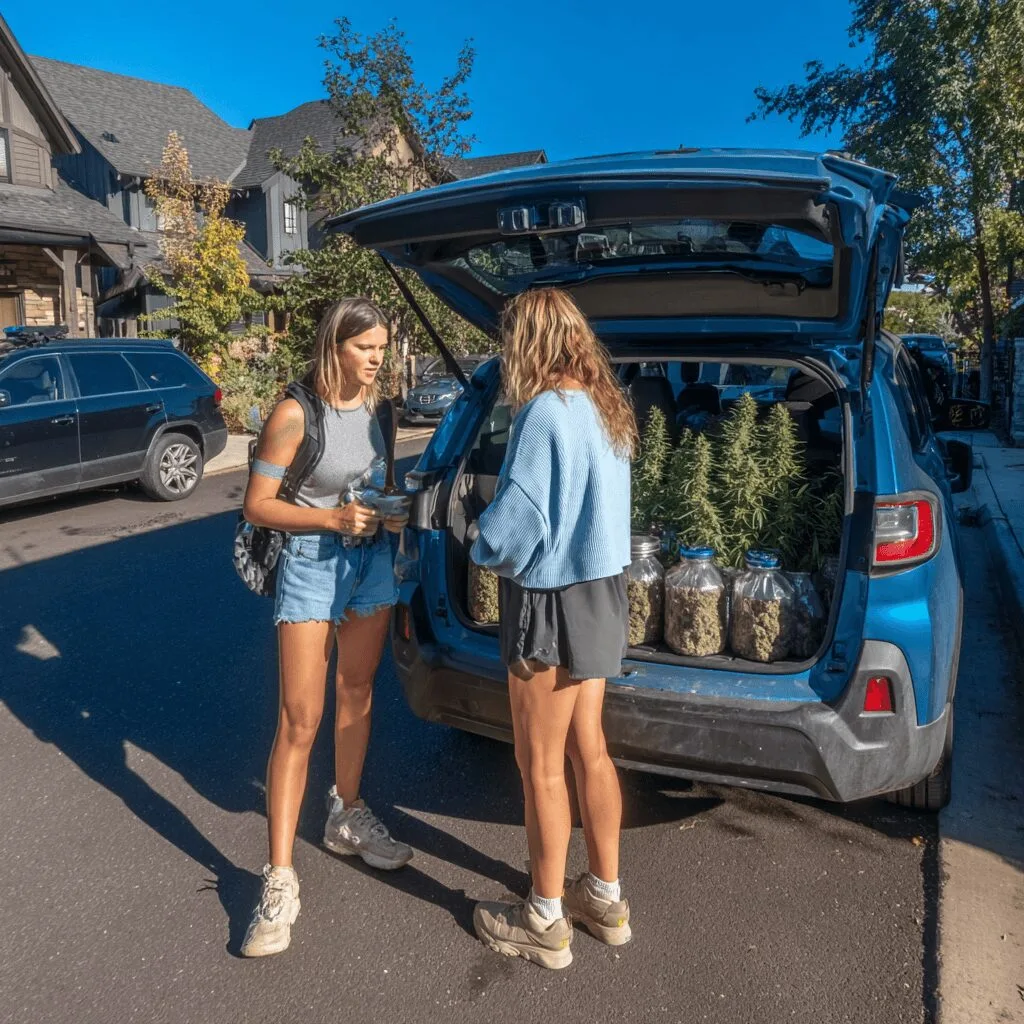
Here’s the straight dope. On December 4, 2025, local police conducted a search in a quiet Wylie, Texas, neighborhood after receiving reports of suspected trafficking activity. According to KXII News, two women were detained after officers discovered a trunk filled with cannabis, from jars and bags to fresh leaves. Law enforcement allege the pair was intent on trafficking substantial product, not just casual personal use. This bust was part of ongoing local efforts to crack down on marijuana distribution, particularly in suburban communities.
To better understand the headlines and public reaction, it’s important to look at how similar law enforcement responses have played out elsewhere. For instance, changes in the approach to marijuana possession arrests highlight shifting social and legal attitudes across the country, illustrating impacts far beyond a single jurisdiction (see recent developments in marijuana possession enforcement and changing attitudes). In the case of the Wylie woman marijuana arrest, police acted on a tip, conducted the search during regular daylight hours, and detained the women at the scene pending formal charges. Local officials emphasized that the amount seized far exceeded Texas’s so-called ‘personal possession’ limits. The incident instantly went viral across local news outlets, stirring significant community debate and drawing reactions from both reform advocates and those favoring existing laws.
Perspectives from the Cannabis Industry: Challenging Stigma and Building Bridges
From a cannabis advocate’s lens, moments like the Wylie woman marijuana arrest highlight serious questions about criminal justice priorities and the gap between prohibition-era laws and modern science. The number of police resources devoted to low-level marijuana cases remains controversial. Industry data detailed in Marijuana Moment show that Texas spent millions annually on cannabis enforcement, funds that some believe could be better used for health, education, or harm reduction programs.
Dr. Ethan Russo, a respected neurologist and cannabinoid researcher, notes, “Criminalizing personal cannabis use does more harm than good, pushing people into the justice system for nonviolent acts rather than offering education or rehabilitation.” His perspective is echoed by many reformers who argue that stigma, not science, drives punitive policing. The national culture has shifted, with more than two-thirds of Americans now supporting legalization, according to the latest Pew Research poll. Meanwhile, questions raised by incidents like the Wylie woman marijuana arrest mirror uncertainties felt by local businesses in places such as Galveston, where restrictions on THC products have forced shop owners to adapt to a changing regulatory climate (read how evolving laws impact cannabinoid businesses facing bans). As a result, these human stories fuel debate about the future of cannabis policy, both in Texas and nationwide.
What’s Next for Wylie—And the Broader Cannabis Conversation?
The Wylie woman marijuana arrest is more than just a headline—it’s a call to action. As Texas debates its marijuana policy future, stories like this catalyze new conversations about justice, public safety, and community well-being. Public pressure continues to mount, with local organizations like Texas NORML stepping up grassroots reform efforts, pushing for more practical, less punitive solutions. Optimism is high that change will eventually come, echoing national trends and expert predictions cited by Cannabis Business Times. Whether viewed as an unfortunate overstep or a necessary precaution, the Wylie woman marijuana arrest keeps the spotlight on cannabis reform, offering Texas an opportunity to re-think, re-educate, and ultimately move towards a more balanced, compassionate future.
Originally reported by: kxii.com
1 Comment
Pingback: Nebraska medical marijuana ballot: Supreme Court’s Big Decision