





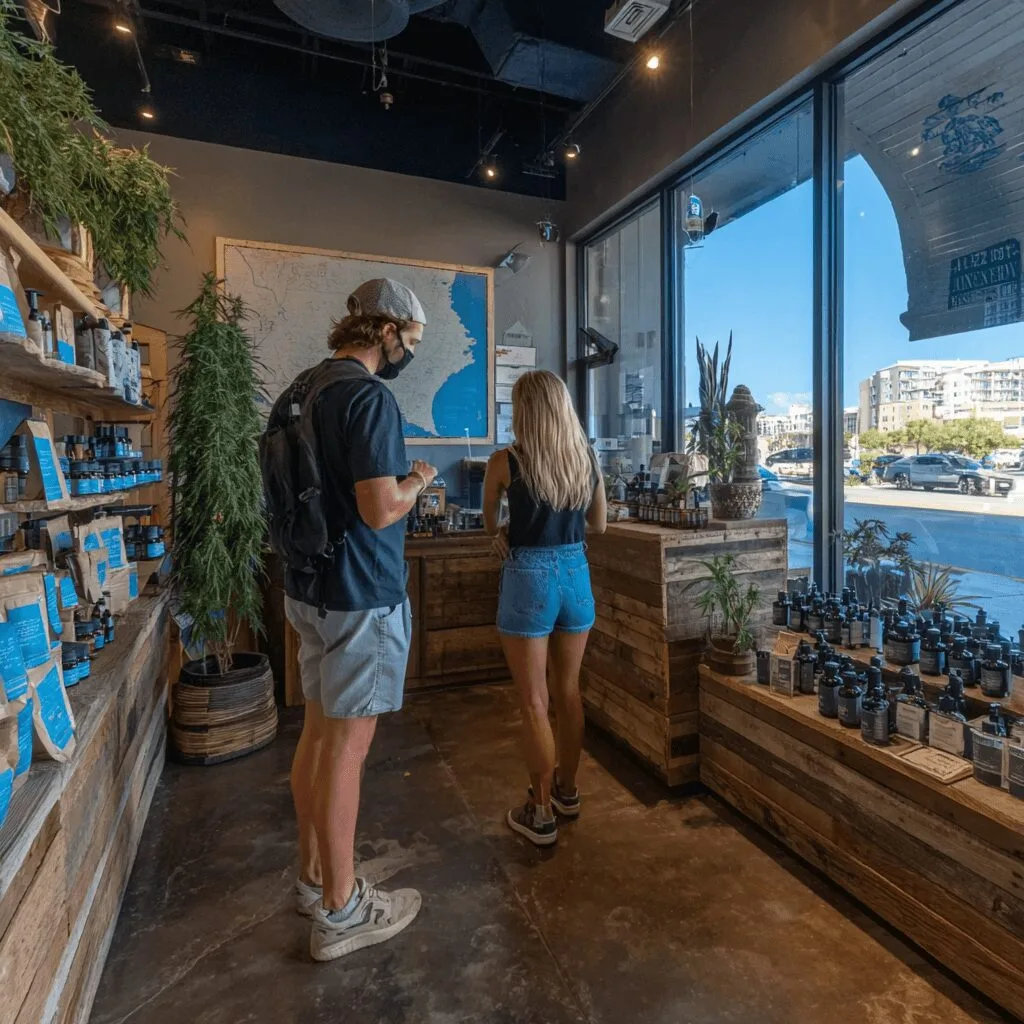
Galveston cannabinoid business THC ban: What’s at stake?
The growing debate around the Galveston cannabinoid business THC ban is lighting up for all the right reasons. With local businesses at risk, Texas entrepreneurs and cannabis advocates can’t afford to look away. As federal and state rules grind against market realities, this story reveals fresh tensions, economic stakes, and social shifts. Stick around for what’s happening, why it matters, and what it means for Galveston’s hemp shops, their customers, and the state’s broader cannabis journey.
Background: Why Galveston’s THC Ban Conversation Is Heating Up
Texas has always had a complicated relationship with cannabis, often treating cannabinoid businesses like they’re the black sheep at the block party. At the heart of today’s Galveston cannabinoid business THC ban drama are dueling federal and state regulations. The 2018 Farm Bill federally legalized hemp and its derivatives containing less than 0.3% Delta-9 THC, letting thousands of Texas shops start selling popular hemp-derived THC products (Congress.gov). However, local authorities still have the power to restrict or ban these products, leading to a patchwork of rules across counties and cities, a phenomenon that’s sparked concern in states like Kansas where federal moves have ignited alarm in local hemp industries.
Galveston County’s business owners were riding the post-Farm Bill green wave until recent legal scrutiny brought on by proposed THC bans. Local officials cite “community safety” and the vagueness of current state law, referencing both increased underage sales and regulatory confusion. Cannabis market experts at Marijuana Moment report that legal clarity remains elusive, creating uncertainty for both licensed business owners and ordinary folks who just want safe, legal products. This tension is setting the stage for a showdown that could ripple throughout Texas’s burgeoning cannabinoid sector.
Key Developments: Facts, Dates, and Companies in the Spotlight
So, what’s actually happening with the Galveston cannabinoid business THC ban? Here’s the quick-and-dirty rundown: In June 2024, Galveston County’s commissioners began considering a crackdown on local cannabinoid shops after federal attention zeroed in on state-level loopholes. According to The Daily News, many small Galveston businesses—like Coastal Hemp Co. and Island Herb—are sounding alarms over proposals to halt sales of Delta-8 and Delta-9 THC products derived from legal hemp. This echoes recent regulatory battles in major cities, such as how Chicago’s efforts to update hemp sales ordinances have shaken up local retailers. If the ban rolls out, dozens of shop owners say they’re facing layoffs, product losses, and possible closure by year’s end.
On June 12, 2024, the county held a public hearing, with testimony from retailers, concerned parents, city officials, and even visiting cannabis attorneys. Proponents of the ban cite worries about youth safety, potential federal enforcement, and confusion over which cannabinoids are actually legal in the state. Critics, including local cannabis entrepreneurs, accuse the commissioners of ignoring state law and devastating a legal, job-generating industry. For now, the commissioners have tabled any definitive vote, but imminent regulatory action hangs over local businesses like a dense Texas fog.
Expert Analysis & Insights: The Ban’s Industry Impact
Let’s break this down with some real talk: The Galveston cannabinoid business THC ban isn’t just about local politics, it’s a microcosm of what’s happening nationwide. As Leafly’s policy analysts argue, bans like Galveston’s threaten to push the regulated cannabis supply chain back underground, reversing years of progress. “When legal businesses are forced to shut their doors, all you’re doing is driving consumers into unregulated, sometimes unsafe markets,” warns Morgan Fox, NORML’s Political Director (NORML News).
Local Texas lawyers have also chimed in, noting that these moves could spark fresh legal battles over preemption and consumer rights. Meanwhile, market data from the Hemp Industry Daily shows Texas’s cannabinoid market remains robust, accounting for over $1 billion in annual sales. Beyond the immediate economic impact, some parents and educators in Texas are also voicing concerns about the risks of accidental ingestion, highlighting that recent cases of children overdosing on THC gummies have increased statewide. The economic stakes are massive, especially for communities still recovering from the pandemic and hurricanes.
This isn’t just regulatory theater, it’s about jobs, public health, and local culture. Restricting access to lab-tested, regulated products could increase risks to public safety, exactly the opposite of what lawmakers intend, several experts note (Marijuana Policy Project).
Future Outlook & Conclusion: Navigating the Road Ahead
While the fate of the Galveston cannabinoid business THC ban is still undecided, one thing’s clear—cannabis culture isn’t going anywhere in Texas. Local business owners and industry advocates remain determined, calling for science-based laws and fair enforcement. Even as regulatory battles heat up, the U.S. cannabis industry continues to mature, with more states embracing legalization and the federal government inching closer to reform (Brookings Institution analysis).
By keeping the conversation balanced and solutions-oriented, Galveston can serve as a model for how communities navigate cannabis’s evolving legal landscape. Whether you’re a shop owner, customer, or curious resident, this is your moment to get involved and help shape a smarter, more just cannabinoid market for years to come.
Originally reported by: galvnews.com
1 Comment
Pingback: Chicago hemp ordinance: What’s next for the City Council?