





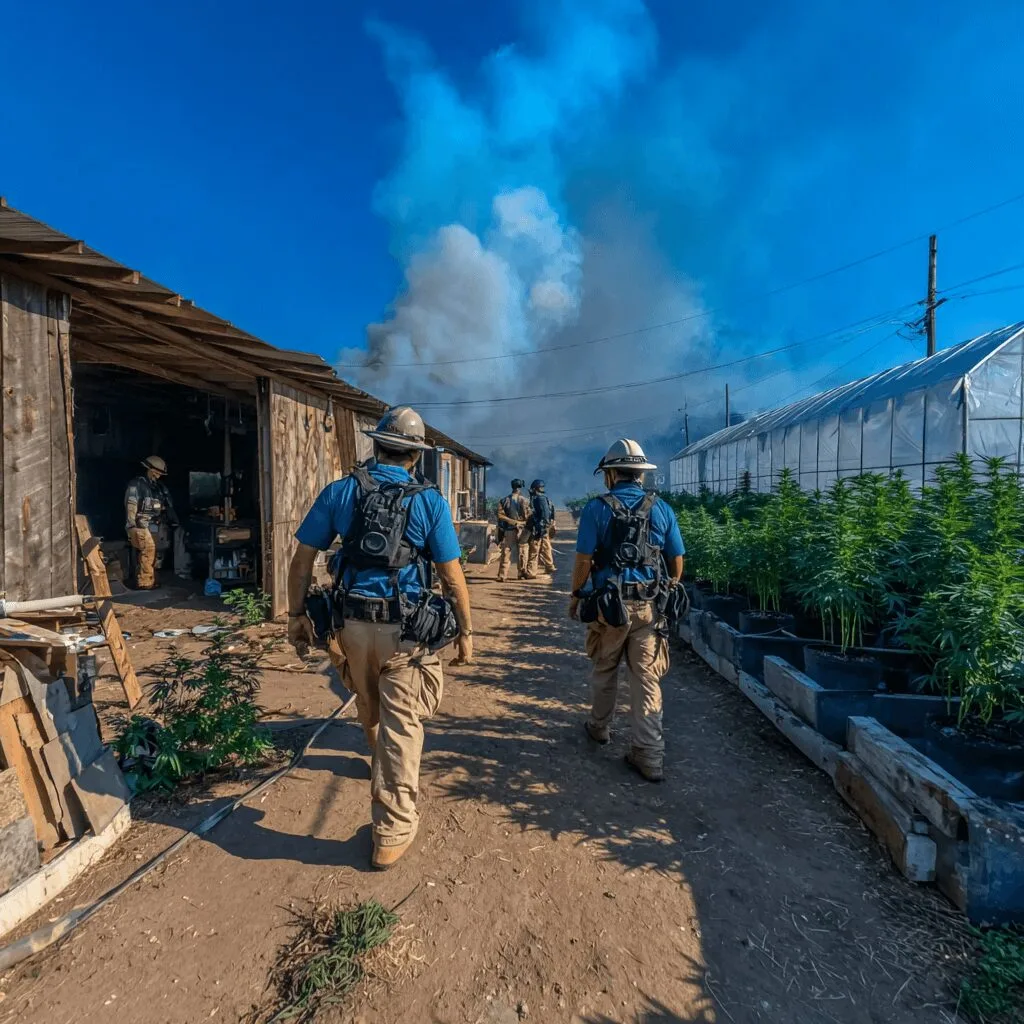
White Earth cannabis fire: Critical update you need now
It’s no secret—the cannabis industry is blazing new trails, and tribal nations are right at the center. That’s why the White Earth cannabis fire demands attention, not just for locals, but for the whole sector watching Minnesota’s legal landscape. With recent headlines spotlighting this fire, regulators, advocates, and consumers are tuning in to understand what happened, how it’s affecting supply, and how the White Earth Nation is responding. We’ll break down the current crisis, the background of cannabis regulation on sovereign land, and offer expert insight on what this means for the future. Stay tuned for key facts, analysis, and how this story fits in the broader movement for cannabis normalization.
Understanding Tribal Sovereignty and the Cannabis Market
The growth of legal cannabis is tightly linked to regulatory shifts, especially for tribal land operators. Sovereign tribal nations like the White Earth Nation govern their own medical and adult-use cannabis enterprises, often pioneering models independent of state frameworks. According to The New York Times, more tribes are expanding into cannabis, leveraging sovereignty to serve community health and economic development, even while navigating tricky relationships with state regulators. As neighboring states wrestle with cannabis policy reform, surveys show populations such as those in Kansas are also shifting their views about medical marijuana access, as seen in recent polling across the Midwest.
In Minnesota, the medical cannabis market was formally legalized in 2014, and recreational cannabis followed in August 2023, as reported by MPR News. Tribal nations have often led the way on responsible cultivation and access in their communities, sometimes before new state rules are even finalized. As with all new frontiers, risks and safety standards are constantly reevaluated by growers and regulators alike.
What Happened: Details of the White Earth Cannabis Fire
On June 9th, 2024, a fire broke out at the White Earth Nation’s licensed cannabis cultivation facility. According to reporting from the Star Tribune, local emergency crews responded swiftly, containing the blaze before it could spread to nearby infrastructure. Early reports confirm minor smoke damage to parts of the greenhouse, with some cannabis plants and equipment affected. Authorities noted no injuries, and initial assessments suggest no hazardous substances were released. These types of fires underscore the critical importance of safety measures in licensed medical marijuana sites, a lesson already well known in communities such as Fort Worth, where medical marijuana dispensary regulation and emergency response continue to evolve.
The site—a vital source for legal cannabis flower and products for White Earth and the wider Minnesota market—temporarily ceased operations for safety reviews and cleanup. Local leadership acted quickly, coordinating with tribal safety officials and public health departments. An investigation is active to determine the cause, which remains under review as of June 10th, 2024.
Citing Leafly, tribal cannabis operations like White Earth have attracted attention for their community-first approach and strong safety standards. However, incidents like these underscore the importance of robust protocols—something the community appears to take seriously, as evidenced by the facility’s immediate action.
Expert Analysis & Industry Insights: What This Means for Minnesota
White Earth Cannabis Fire: Lessons for Compliance and Growth
Here’s where seasoned industry watchers take notice. The White Earth cannabis fire highlights real risks cannabis cultivators face, indoors or out. Electrical systems, high-powered lights, and complex HVAC equipment are necessary for high-quality flower but can trigger hazards if not managed perfectly. As communities gain access through a variety of licensed operations—and as cannabis tax revenue continues to influence local regulations, as discussed in recent industry updates—risk management and compliance aren’t just regulatory boxes to tick, they’re critical for community trust and market stability.
As Marijuana Moment recently discussed, tribal operations often set gold standards for transparency, quality assurance, and community transparency. “Tribal nations are often the bellwether for how the U.S. cannabis industry can both evolve and stabilize,” notes Shaleen Title, policy reform leader and former Massachusetts Cannabis Control Commissioner. “When challenges occur, their response often sets the example for both state and private-sector operators.”
White Earth’s swift response, open communication, and collaborative transparency signal advanced industry maturity. Temporary production hiccups are expected in any emerging sector. What matters most is the tribe’s ongoing commitment to safety and consumer protection, a priority echoed throughout Minnesota’s evolving legal framework and also observed in cities dealing with regulatory changes, including Oceanside’s recent medical marijuana updates.
Looking Forward: Growth, Safety, and Opportunity for Tribal Cannabis
While the White Earth cannabis fire may cause short-term disruption, the long-term outlook remains bright for tribal cannabis in Minnesota. As state and tribal leaders ramp up strategic coordination, robust safety standards, and reinvestment in facilities, the sector’s future looks resilient and bold. The White Earth Nation’s continued transparency and rapid action help reinforce public trust, setting a positive precedent for other tribal operations.
Broader industry reports such as Hemp Industry Daily project strong growth for tribal-led cannabis projects over the next decade—with more support from federal grant programs and evolving partnerships aiding expansion. As Minnesota’s cannabis ecosystem matures, expect continued dialogue on best practices and safety—making sure community wellbeing comes first. Despite bumps on the journey, the momentum behind tribal cannabis success stories is undeniable.
Originally reported by: startribune.com

1 Comment
Pingback: Medical Cannabis Evidence: What the Science Really Reveals