


Federal hemp regulations impact: What it means for Clark County
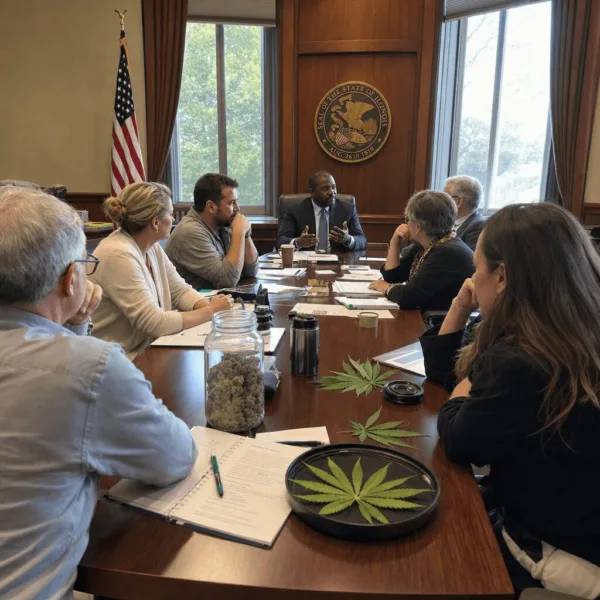
If you’ve been watching the hemp and cannabis game lately, you know things have been shaking up in a big way. That’s why right now the federal hemp regulations impact is the talk of Clark County. With new rules set to tighten things up nationally, the buzz is all about what this means for local growers, dispensaries, and the broader market. Will these changes set off shockwaves, or is the scene here too laid-back to sweat it? Let’s break it down so you’re ahead of the curve and know exactly where federal hemp regulations impact the local cannabis community, what’s at stake, and how Clark County uniquely fits into the big national hemp puzzle.
Understanding the Federal Context: The Roots of Regulation
The federal hemp regulations impact can’t be understood in a vacuum, it’s shaped by market dynamics, historical context, and shifting legal frameworks. After the 2018 Farm Bill legalized hemp nationwide (as Congress states), a patchwork of state-level rules emerged, each putting its own spin on cultivation, processing, and sale. Fast forward to late 2024 and 2025, the U.S. Department of Agriculture (USDA) and the Drug Enforcement Administration (DEA) put pressure on states to align with stricter federal guidelines, tightening THC limits and compliance rules. This regulatory shift comes as lawmakers across the country debate the nuanced effects of national cannabis bans on local economies, a subject spotlighted in-depth in this recent analysis of how federal THC bans could change cannabis nationwide. According to the USDA, new standards are all about tracking, seed certification, and bringing uniformity—which longtime cannabis advocates argue could stifle local innovation. Socially, hemp is now mainstream, but stigma and confusion still persist, particularly over the blurred lines between hemp CBD and high-THC cannabis. Combined, these elements make the current federal hemp regulations impact particularly challenging for both legacy growers and fresh business faces in Clark County.
Clark County in the Crosshairs: Key Developments & Facts
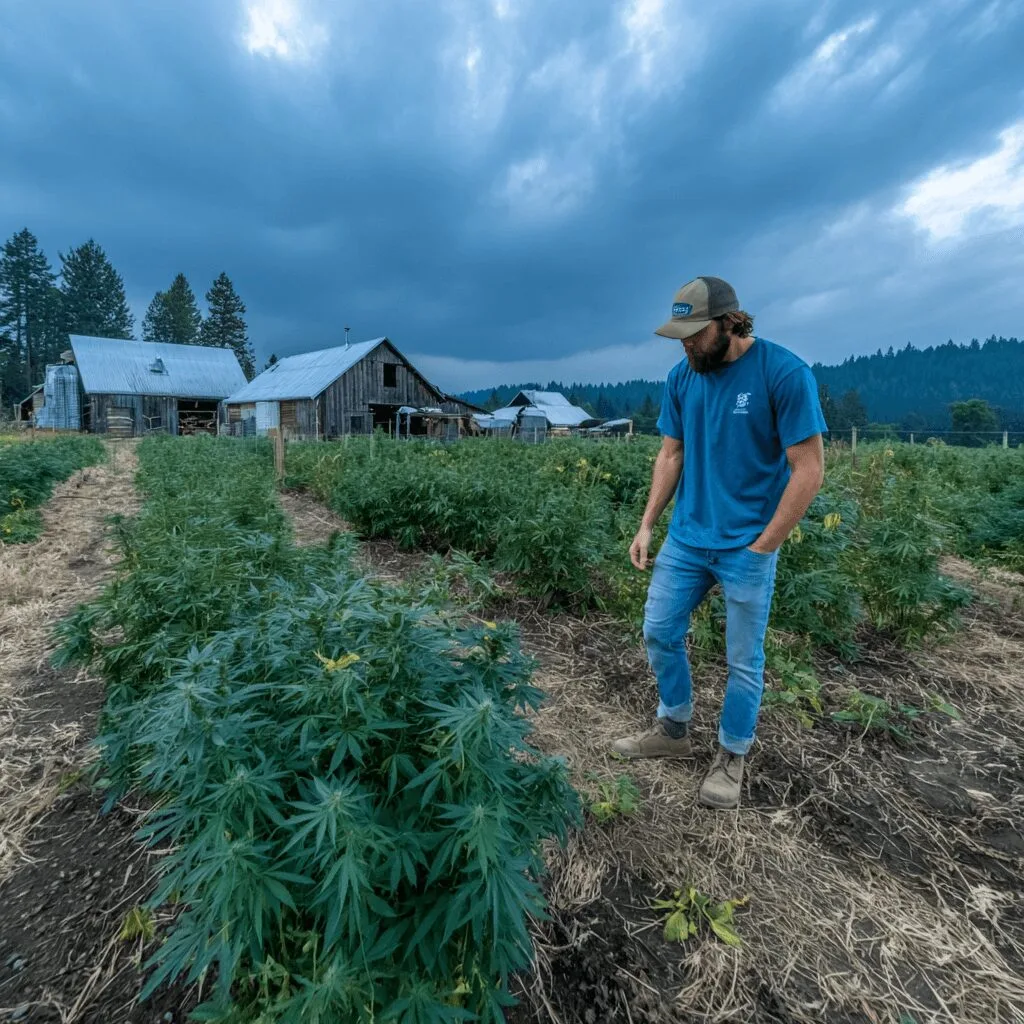
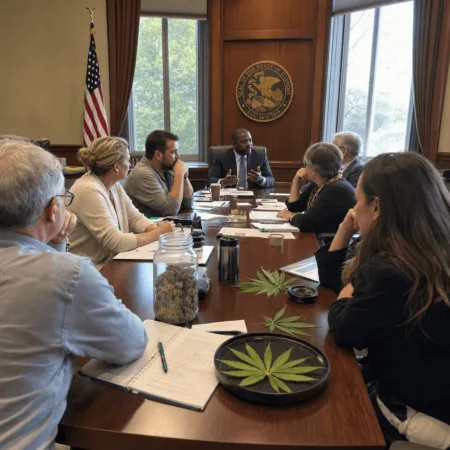
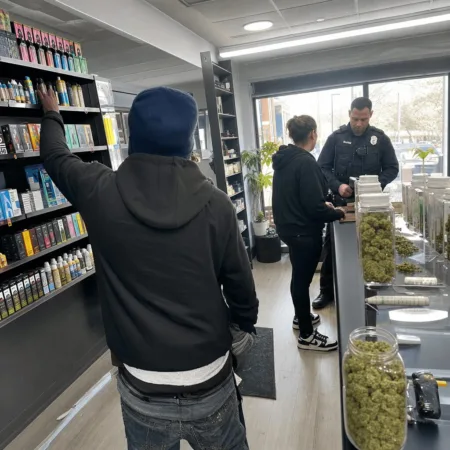
Amid heightened scrutiny and regulatory change, the federal hemp regulations impact on Clark County has become a focal point for industry watchers. The recent headline—federal hemp regulations impact: What it means for Clark County—hit just as the USDA unveiled its revised compliance rulebook in December 2025. According to The Columbian, the local cannabis scene is handling the changes like seasoned pros. As of December 2025, federal authorities have tightened requirements for delta-9 THC testing, mandated seed-to-sale tracking, and put local compliance officers on the clock for new documentation. Notably, Clark County’s mature cannabis industry, backed by strong state laws, already runs a tight ship. Farms and brands—including Evergreen Hemp Co. and Green Valley Growers—have long embraced strict compliance and advanced documentation. This transition impacts only a small fraction of businesses, much like regulatory changes that have sparked discussions about market adaptation, as seen following major criminal justice decisions influencing the broader cannabis debate. In summary, Clark County is absorbing the new rules with little panic, reflecting the community’s established protocols and resilience.
Expert Insights: The Big Picture & Why Clark County Shrugs It Off
So, how does this play out for the wider cannabis industry? According to Marijuana Moment, robust state regulations and market sophistication often insulate mature regions from regulatory whiplash. Joe Brennan, a longtime industry consultant quoted in The Columbian, notes, “Clark County’s been playing by the rules for years, these changes are just more paperwork, not an existential threat.” He adds, “Washington growers know how to toe the line. If anything, this is a reminder to stay sharp.” National cannabis analysts, like those at MJBizDaily, echo this sentiment: well-developed cannabis states tend to see less market stress when new federal rules drop. As the federal hemp regulations impact grows, the ability of small operators to remain profitable under new rules becomes critical, just as grassroots policy efforts matter in regions where communities directly shape legalization, for example in how residents actively influence cannabis policy changes. In Clark County, decades of adaptation and a practical approach to compliance help the community weather federal shifts more smoothly than peers in newer hemp markets.
Looking Forward: The Chill Resilience of Clark County
The federal hemp regulations impact could have sent shockwaves through other regions. But in Clark County, it’s mostly a nudge. The community here balances old-school grower wisdom with the structure needed for modern compliance. As social acceptance for hemp and cannabis keeps rising, and as federal agencies refine the rules, Clark County stands poised to thrive. The future promises more market innovation, tighter genetics, and smoother regulatory navigation—not panic or prohibition. According to a recent NORML report, grassroots education and policy engagement will remain crucial, but industry insiders are optimistic. So, while the federal hemp regulations impact keeps folks on their toes, there’s plenty of good energy, local expertise, and chill resilience making Clark County a template for how to ride the next wave of legal change with style.
Originally reported by: columbian.com
1 Comment
Pingback: Texas medical marijuana licenses: Who's getting approved next?