Connecticut cannabis social equity: Real Stories & Bold Change
The Connecticut cannabis social equity conversation is having a huge moment right now. As recreational cannabis takes root across the state, advocates and grassroots organizations are pushing for accessible, fair policies. More than business, this is about justice—righting the wrongs of prohibition, lifting up communities, and ensuring everyone gets a piece of the green pie. Recent headlines and industry growth make it crucial to understand how Connecticut is leading in cannabis social equity, what’s working, what’s broken, and the bold folks driving true change. Let’s break down the buzz and discover what’s changing for Connecticut cannabis social equity.
The Roots of Connecticut Cannabis Social Equity: Regulations, Justice, and Community
So, why is Connecticut cannabis social equity the phrase on everyone’s lips? It’s all about righting historical wrongs and opening doors that were closed tight in the War on Drugs era. Cannabis prohibition hit marginalized communities hardest, and for decades arrests and convictions created ripple effects that still echo in housing, employment, and opportunity gaps. With legalization, Connecticut lawmakers baked social equity measures directly into state licensing policies. These policies aim to prioritize business licenses for historically impacted individuals and areas, with discounted applications, technical assistance, and reinvestment into affected neighborhoods (according to official state regulators). Regulatory watchdogs and activists monitor the rollout closely, as Connecticut’s approach is seen as a potential playbook for other states striving for a fair cannabis market. Recent industry analyses, such as those by Leafly, spotlight how these frameworks aim to create inclusion and balance, but also reveal hurdles: bureaucracy, funding gaps, and regulatory bottlenecks. Discussions on the broader national scene—like those examining cannabis and psychedelic sector news developments—frame Connecticut’s efforts as part of a wider transformative movement, echoing recent sector news coverage. The bottom line? Connecticut is betting big on equity, but meaningful change means implementing, not just promising.
Pioneers, Policy, and Progress: Key Developments in Connecticut Cannabis Social Equity
It’s not just policies on paper, real people are stepping up. Alumni from the University of Connecticut, like the changemakers featured in this University of Connecticut profile, are weaving Connecticut cannabis social equity into the fabric of the industry. Since adult-use sales went live in 2023, Connecticut’s Social Equity Council has awarded dozens of licenses specifically to social equity applicants. These applicants hail from areas hardest hit by former cannabis laws, bringing business ownership to folks once locked out. According to official state data, initiatives like workforce development programs, business incubators, and automatic expungements have gotten real traction. In late 2023, the state announced nearly $30 million in new funding for social equity businesses, reinforcing its commitment to economic empowerment. Notably, West Hartford and New Haven have become hotbeds for grassroots events, such as community roundtables, educational workshops, and networking sessions connecting entrepreneurs with legal advisors and industry veterans. Still, some critics highlight that only about a third of all new licensees identify as social equity businesses, raising questions about gaps between intention and impact. Legal experts, including those cited by Law360, note ongoing litigation and regulatory tweaks, illustrating the real-world grind required to translate policy into progress. Meanwhile, as conversations about alternative cannabis consumption grow, trends like cannabis beverages as an alcohol substitute are also changing perceptions and business opportunities for social equity entrepreneurs.
Expert Insights: High Hopes and Honest Lessons for Connecticut Cannabis Social Equity
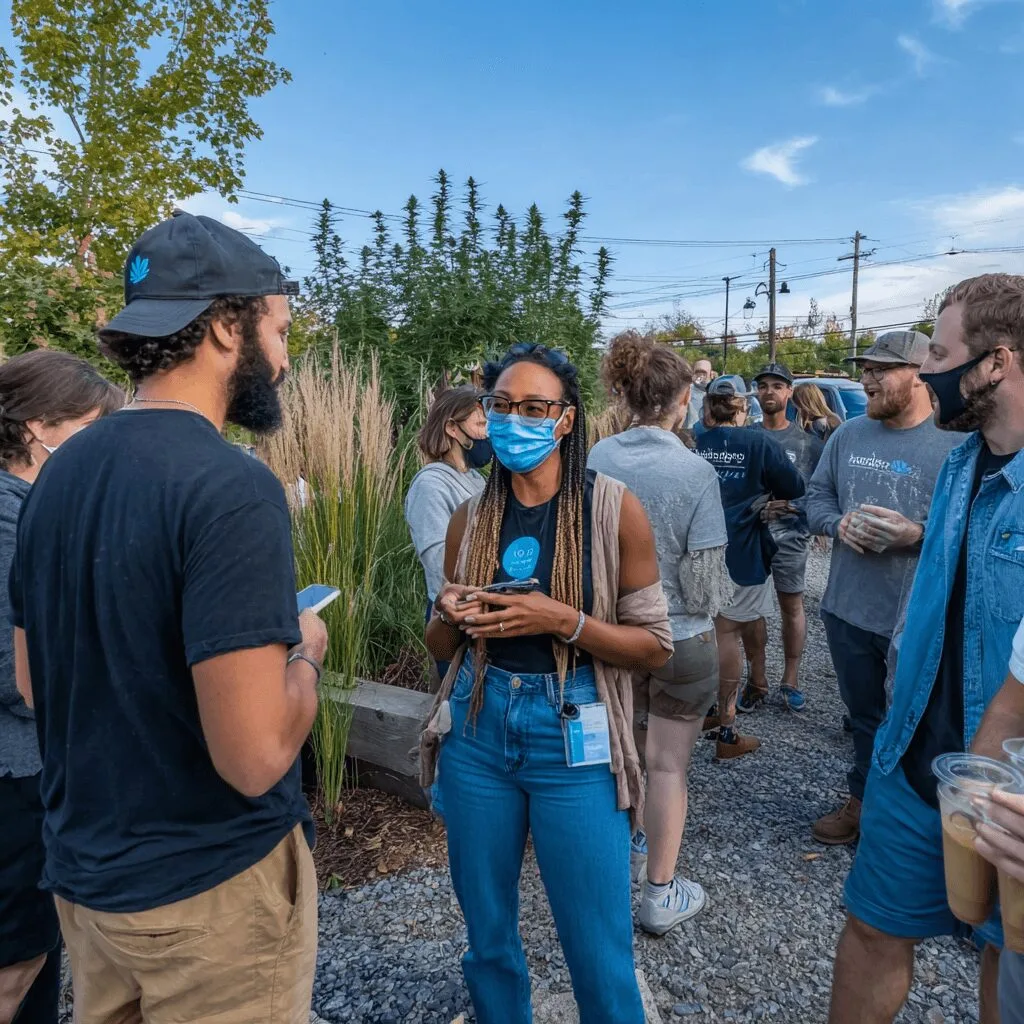
So, how’s this shaking out in the real world? According to veteran industry analyst Shaleen Title—quoted in Marijuana Moment—“Social equity isn’t just a buzzword. In Connecticut, it’s about real people, real lives, and an opportunity to change whole communities.” The emergence of successful equity-owned cannabis stores is a win, but success is always more nuanced than ribbon-cuttings and news flashes. Industry reports from MJBizDaily highlight entrepreneurship challenges such as access to capital and red tape, but also celebrate the passion and resilience of local leaders navigating the maze. Social justice advocates say continued support, transparent oversight, and vigilant enforcement are critical. Importantly, Connecticut’s approach, prioritizing business training and technical support, stands out compared to states like New York, which faced delays and setbacks in rolling out their equity lotteries. Community connectivity is enhanced as networking events and gatherings continue to bridge the gap for emerging entrepreneurs, experiencing a cultural shift like the one seen with cannabis-infused Sunday brunch events. Long story short, Connecticut cannabis social equity is more than a legal checkbox, it’s about building a sustainable, community-based industry that reflects the state’s diverse voices.
The Road Ahead: High Expectations for Connecticut Cannabis Social Equity
Looking forward, there’s real optimism swirling around Connecticut cannabis social equity. As more states light up the path to legalization, Connecticut’s approach serves as a powerful case study: public policy, private entrepreneurship, and community leadership all rolling up their sleeves side by side. Regulatory tweaks are ongoing, and challenges remain, but Connecticut’s cannabis community—with its chill energy, sharp advocacy, and unblinking focus on justice—feels ready to keep blazing new trails. Industry insiders interviewed by Forbes predict a growing share of licenses for social equity applicants in 2025 and 2026, expanding minority ownership and neighborhood reinvestment. Even more, cultural acceptance and economic returns are now joined at the hip. As Connecticut’s cannabis market matures, expect more grassroots innovators, bold equity leaders, and community-first approaches—all helping secure a fair, green future for everyone in the state.
Originally reported by: today.uconn.edu