

CANU cannabis arrest: Major Sandaka Dam bust exposed
The buzz around the latest CANU cannabis arrest is real. Guyana’s Sandaka Dam has become the unlikely hotspot for an enforcement drama. As the cannabis industry presses onward and societies revisit old stigmas, this surfacing news signals just how divided the scene still is. Reports of major seizures don’t just spotlight enforcement—they also throw down the gauntlet to outdated laws, patchwork regulations, and an increasingly savvy global market. We’re about to unpack why this CANU cannabis arrest story at Sandaka Dam matters right now: the social climate is shifting, enforcement is making headlines, and bigger questions about regulation, industry trends, and public perception are all swirling through the limelight. Buckle in; we’ll break down what happened, why it’s relevant, and what it really means for cannabis culture and policy, here and abroad.
The Evolving Landscape: Cannabis Regulation, Social Change, and Law Enforcement
The CANU cannabis arrest at Sandaka Dam lands right at the crossroads of evolving policy and old-school enforcement. Globally, there’s a visible tilt towards legalizing or decriminalizing cannabis—for example, the ongoing reforms tracked by NORML and the real-time legislative breakdowns from Leafly News. Regionally, Guyana’s policy hasn’t kept pace with its neighbors: while countries like Canada, parts of the Caribbean, and most of North America are lighting up the map in green, Guyana’s legal stance is all about restriction. According to Stabroek News, cannabis remains illegal, punishable by hefty imprisonment and fines, and the Customs Anti-Narcotic Unit (CANU) is always on the front lines, deploying both surveillance and after-dark ops to enforce prohibition. Some countries have recently seen heated debates after high-profile seizures, such as the incident in Itanagar, reflecting how enforcement can spark local and national controversy. Despite the existence of new medical programs in places like Trinidad and regional pressure for change, Guyana holds the line, partly due to public worries about misuse and international treaties like the UN Single Convention on Narcotic Drugs. No shocker, when enforcement heats up, so does the debate about what real safety and smart policy should look like. The CANU cannabis arrest underscores the friction between society’s reality, enforcement practices, and a market ripe for overhaul.
The CANU Cannabis Arrest: Breaking Down the Sandaka Dam Bust
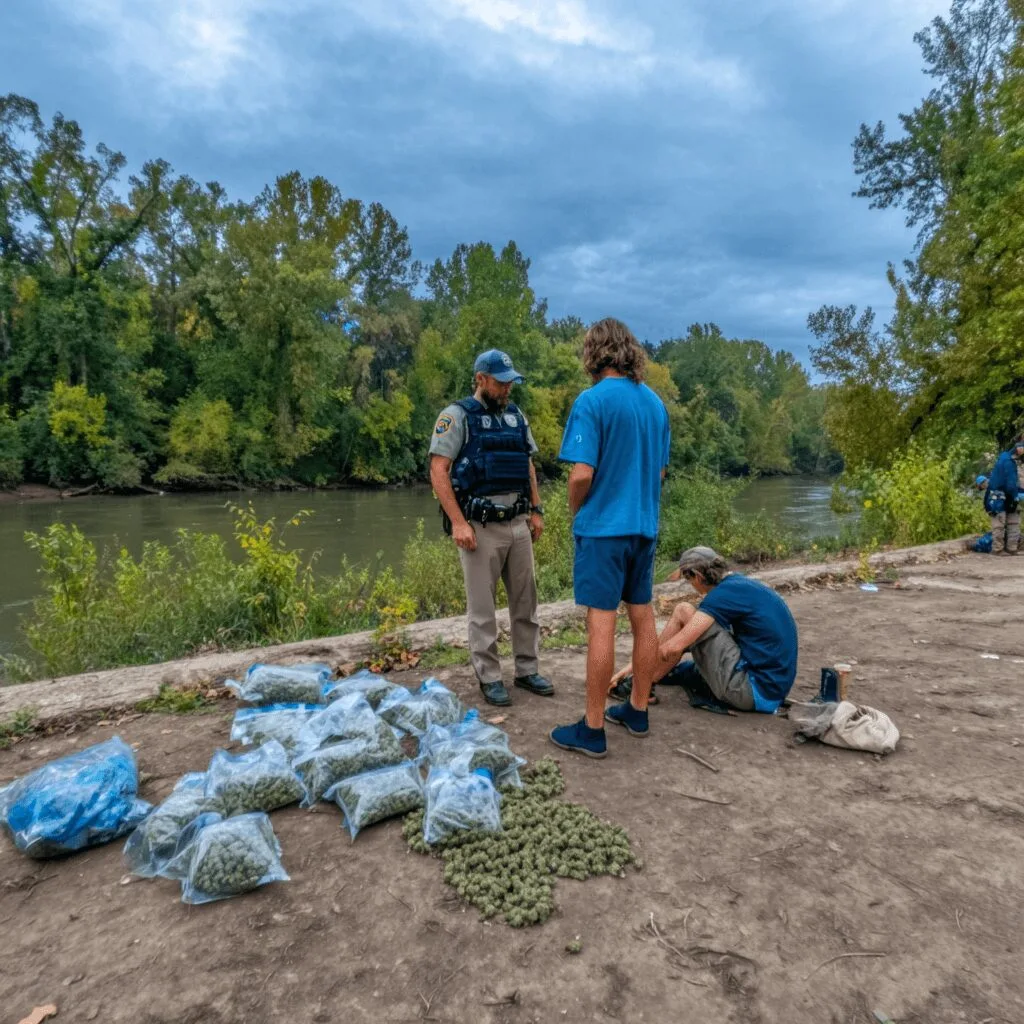
Let’s get into the weeds, pun absolutely intended, of the recent bust. On November 29, 2025, according to Stabroek News, CANU agents arrested a man during a daytime operation near Guyana’s Sandaka Dam. The individual, reportedly in his 30s, is suspected to have been directly handling a sizable haul, over 30 kilograms of locally cultivated cannabis. The product, stored in large clear plastic bags, was seized and displayed by officials as evidence.
The arrest was part of a wider CANU operation targeting trafficking hotspots along riverine routes. Local sources reported that the individual was spotted accessing the muddy shoreline with sacks in tow, which is a classic low-tech smuggling method, right down to the haphazard bags stashed near the water. According to the latest legal statements, law enforcement detained the suspect on-site, processed the evidence, and opened an investigation into connections with suspected transnational groups. This case is reminiscent of other law enforcement headlines, such as high-profile arrests involving teens and marijuana in Port Charlotte, showing that cannabis-related legal incidents continue to ignite public debate wherever they occur. The news, confirmed by several Guyanese outlets, has set off a spectrum of reactions, from anti-drug campaigners to passionate legalization advocates.
Insight and Nuance: What the CANU Cannabis Arrest Reveals for the Industry
Here’s where we swap the headline drama for real talk: the CANU cannabis arrest spotlights deep regulatory and social divides. On one hand, it’s textbook old-school enforcement—large seizures, public displays, and a stern message about zero tolerance. But is that actually moving the needle towards meaningful reform or public safety? The international cannabis community is taking note. As Marijuana Moment regularly documents, jurisdictions that hang tight to prohibition often see more resource strain than true wins against trafficking. “Enforcement without space for policy evolution can backfire, fueling black markets while sidelining safe access and education,” observes Amanda Reiman, PhD, a renowned cannabis policy researcher, as cited in Leafly News. In contrast, other regions are advancing nuanced regulation and risk management, much like the ongoing legislative shifts with Wisconsin hemp THC laws and debates. Meanwhile, the CANU cannabis arrest might win a few headlines but also risks pushing cultivation deeper underground and tying up court systems with nonviolent offenses—not exactly a recipe for lasting progress, right?
The Road Ahead: Opportunity, Innovation, and an Inevitable Shift
The Sandaka Dam CANU cannabis arrest marks another pivotal moment in Guyana’s ongoing cannabis story. While enforcement is currently leading, the winds of reform are blowing harder each year. Countries that have gone the legalization route, as shown in annual analysis from New Frontier Data, see consistent growth in industry jobs, medical innovation, and public health outcomes. This points to a future where well-regulated cannabis markets come out on top—offering economic perks, safety, and a healthy relationship between authorities and citizens. For Guyana and the wider region, the real question isn’t whether the conversation will change, but when. As global attitudes keep softening and success stories multiply, the industry’s evolution is only just beginning. Here’s to hoping the next wave brings smarter laws, more opportunities, and a bit more balance in the cannabis conversation.
Originally reported by: stabroeknews.com