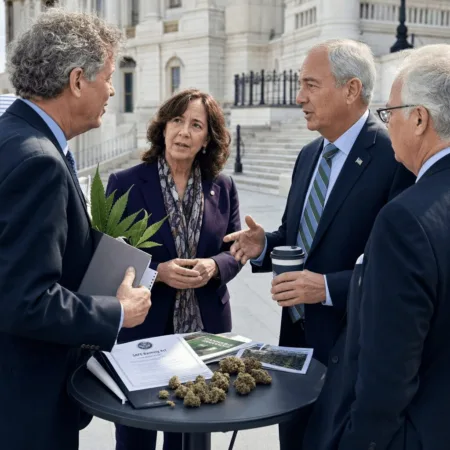
Lawmakers Ignoring Marijuana Voters: Why It Matters Now
Right now, the gap between what voters want and what lawmakers deliver is under the spotlight. Across the country, Americans have repeatedly voted to modernize cannabis laws—and it’s the will of the people. Yet, there’s growing frustration about lawmakers ignoring marijuana voters, especially as public support for legalization reaches record highs. From shifting tax revenues to social justice wins, this issue impacts millions. Today’s conversation zeroes in on why regularly sidelining voter voices isn’t just political drama—it’s a major crossroads for cannabis advocates and democracy alike.
What’s Driving the Disconnect? A Deep Dive into Legal, Social, and Political Context
Let’s get blunt, the U.S. cannabis landscape has shifted dramatically in the past decade. Nearly two-thirds of Americans now favor full legalization, according to Gallup’s 2023 survey. Yet, federal law still lists cannabis as a Schedule I drug under the Controlled Substances Act, creating a messy patchwork of rules and enforcement. State after state, including Ohio, Missouri, and Maryland, have passed ballot initiatives legalizing marijuana for medical or recreational use. But when lawmakers ignoring marijuana voters becomes a repeating theme, it reflects deep policy inertia, party politics, and even pressure from special interests. Ongoing debates around developing national rules for cannabis, like federal marijuana labeling standards, show just how complicated and contested policymaking can be.
Many legislatures have the legal authority to amend, delay, or outright block voter-approved cannabis measures, which often pits legislative leaders against grassroots activists who have worked years for reform. The result is often that pro-cannabis bills stall in committee, or regulations get watered down before they ever see the light of day. It’s a chronic issue, exposing just how complicated, and frustrating, cannabis policy-making can be, as seen in both local and federal contexts.
Real Stories: How Lawmakers Ignoring Marijuana Voters Plays Out
Across the U.S., examples are piling up where lawmakers ignoring marijuana voters has become the new normal. In Ohio, for example, nearly 57% of Ohioans voted “Yes” on Issue 2 (as reported by The New York Times), which legalized recreational marijuana. However, some state legislators quickly moved to block important elements of the law—including home cultivation and distribution rules—citing concerns about public safety and compliance with federal policy. This friction isn’t isolated; in Mississippi, advocates pushed for years to bring medical marijuana to patients by ballot initiative, but the state Supreme Court struck down the process on a technicality, leaving supporters and patients frustrated (see Marijuana Moment). Similar challenges arose in South Dakota, where a legal battle nearly overturned recreational legalization before courts blocked it in 2021.
What often follows these setbacks are public backlash, legal limbo, and sometimes lawsuits. For example, when local governments slow-walk dispensary licensing, or impose unexpected restrictions, it can leave new cannabis laws unenforced and communities trapped in uncertainty. These local implementation issues have sparked community debates, as seen in the community responses to Citrus County’s marijuana dispensary decisions, where public voices continue to shape the future of cannabis regulation and access.
Why This Matters: Expert Analysis and Insights from the Frontlines
When lawmakers ignoring marijuana voters becomes standard practice, it undermines both the democratic process and patient rights. As cannabis attorney Hilary Bricken noted in Canna Law Blog, “We’re witnessing a tug-of-war between what constituents overwhelmingly endorse and politicians trying to control the narrative. It creates confusion in the market, threatens social equity progress, and damages the legitimacy of the process.” Industry analysts at Headset, a leading cannabis data firm, report that states with clear, voter-supported legalization tend to outperform those hampered by legislative bottlenecks. Farmers, retailers, and patients all lose when laws stall or pivot without warning. Furthermore, resources like recent data on Canada cannabis tax revenues highlight the importance of building legislative systems that follow voters’ lead, since delayed or blocked laws also slow economic growth and deny communities needed resources. Meanwhile, respected publications such as Leafly News remind us that stalling legalization efforts delays not just vital tax revenue and job growth but broader social equity reforms—core issues that resonated with voters at the ballot box. Lawmakers ignoring marijuana voters isn’t just about cannabis; it’s about respecting the electorate’s voice in the era of direct democracy.
The Road Ahead: Pushing Through Despite Obstacles
Even with lawmakers ignoring marijuana voters, it’s clear that the tide keeps rising in favor of cannabis reform. Advocacy groups are becoming savvier, leveraging lawsuits, media campaigns, and direct lobbying to push elected officials into action. States that deliver on the will of marijuana voters—like Colorado and Michigan—reap multi-billion-dollar economic benefits, as reported by NORML. Public opinion remains steadily in favor, and each election cycle brings more pro-cannabis legislation to the table.
Looking ahead, the cannabis industry’s push for fairer, evidence-based regulations isn’t slowing down. While lawmakers ignoring marijuana voters continues to cause frustration (and plenty of memes), real progress keeps happening one vote, one court case, and one conversation at a time. For those passionate about plant medicine and democracy, the next big milestone might be just around the corner.
Originally reported by: tribtoday.com