


The world’s waking up to the power of plant medicine—and right now, psilocybin community education is hitting a turning point. With shifting laws and a cultural change led by new science, regions like the Roaring Fork Valley are stepping up. People want guidance, clarity, and real conversation—not just noise from the headlines. That’s where grassroots efforts like NeuroBloom’s recent event come in, putting education and safety front and center. Let’s break down why psilocybin community education matters so much, who’s involved, and what it means for our evolving cannabis culture and beyond.
Understanding Psilocybin Community Education: Background, Laws, and Social Context
Psilocybin’s status is shifting fast, both in courtrooms and coffee shops. Just a few years back, most folks lumped mushrooms in with outdated war-on-drugs rhetoric. Now, we’ve got licensed therapists, state-led pilot programs, and ballot initiatives. According to Psychedelic Alpha, Oregon became the first U.S. state to legalize regulated psilocybin therapy, inspiring regions like Colorado to follow. But legal vibes can get hazy, especially since cannabis is legal in some states and still federally restricted. Social stigmas are fading, but education is the bridge, helping newcomers navigate what’s safe, legal, and scientifically legit. That’s why psilocybin community education events are showing up in local spaces to cut through myths and promote responsible use. Trends in cannabis, like spikes in cannabis sales tied to cultural moments, have shown how normalization through information can empower communities. Now, psilocybin programs are adopting similar models, connecting local communities and helping folks make informed choices from a position of empowerment, not fear.
Key Developments: NeuroBloom’s Valley Event Brings Psilocybin to the Forefront
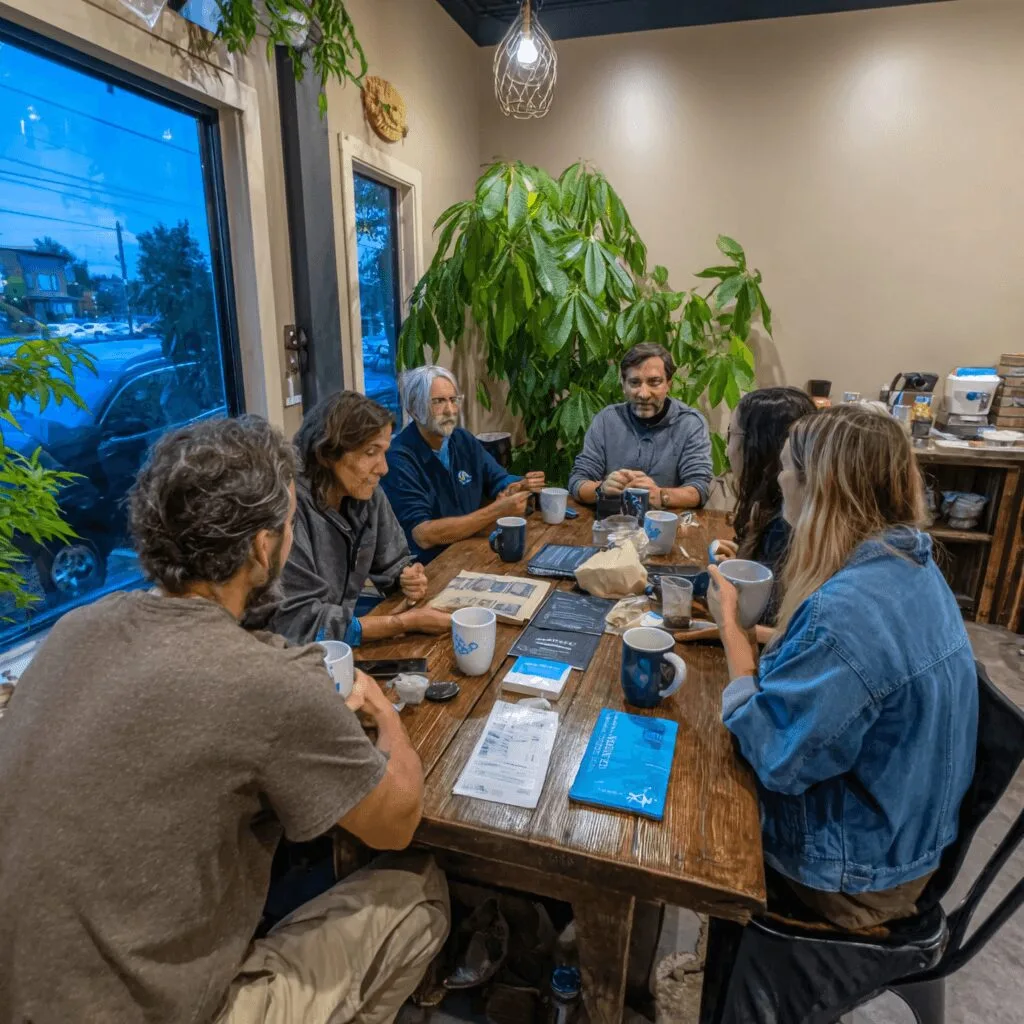
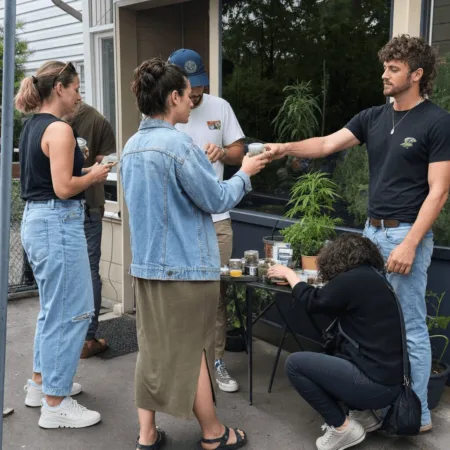
Here’s what happened this week: NeuroBloom, a group focused on plant medicine advocacy, hosted a groundbreaking psilocybin community education session for the Roaring Fork Valley. The event welcomed curious locals, advocates, and even skeptics, all looking for facts over fiction. Detailed pamphlets covered everything from legal risks to proven therapeutic benefits. According to The Aspen Times, NeuroBloom organized this in direct response to Colorado’s 2022 Natural Medicine Health Act, which legalized psilocybin use in licensed settings. Experts led interactive discussions, answering tough questions about safety, the difference between recreational and therapeutic use, and how to stick to state guidelines. Community members also considered the broader impact of legalization, similar to how federal actions around hemp have impacted statewide cannabis legalization pushes. The cozy, down-to-earth vibe made the info actually stick for attendees. This wasn’t just a lecture, it was a two-way talk, reflecting the kind of grassroots movement that has made cannabis education so impactful around the country.
Expert Analysis & Insights: Shaping the New Normal for Plant Medicine
Let’s be real, events like NeuroBloom’s are a big deal for psilocybin community education. They turn big ideas into local action and foster trust where there’s been fear. Dr. Amanda Reiman, a leading cannabis policy researcher, recently said in Filter Magazine, “We won’t see genuine harm reduction, or responsible use, until communities are as informed as they are curious.” The cannabis world figured out ages ago that top-down policies don’t spark social change, real transformation happens person-to-person. These psilocybin sessions are also connecting cannabis and psychedelic reformers, drawing on shared lessons in safety, equity, and science-backed advocacy. Market trends show that as legal access grows, so does demand for reliable info. According to Leafly, more than a dozen U.S. states are now reviewing some kind of psychedelic policy. As education becomes more transparent, stigma drops, which has always powered growth in the cannabis space. Troubling issues such as cannabis-related legal crackdowns remind us why clear guidelines and open conversation are essential. The takeaway? Psilocybin community education is not just good PR, it’s a core piece of a healthy, responsible marketplace.
The Road Ahead: Psilocybin’s Next Chapter, Guided by Community Education
Looking forward, the movement for psilocybin community education is only just beginning. With cannabis already opening doors, psilocybin now walks through them: more people are tuning in, gathering for honest discussion, and demanding regulatory clarity. The partnership between advocates, regulators, and everyday folks is building a culture of transparency and safety. As noted by MAPS, evidence-based education only strengthens public health outcomes and opens pathways for broader social acceptance. The Valley event is a microcosm of what’s coming: grassroots energy, mutual respect, and a willingness to learn. If cannabis taught us anything, it’s that when communities lead, positive change follows. That’s the heart of true psilocybin community education—and it’s a future worth building, one conversation at a time.
Originally reported by: aspentimes.com

2 Comments
Pingback: Marijuana Genetics Seed Regulations: What Hemp Companies Must Know
Pingback: Breakthrough: Psychedelics Disorders Consciousness Virtual Study