



Crash Marijuana Alcohol: Shocking Hospitalization After Tree Collision
The topic of crash marijuana alcohol is hotter than a fresh pre-roll, thanks to a recent hospitalizing accident that’s stirring serious conversation. This issue isn’t just about car wrecks—it’s got everyone from lawmakers to stoners to safety experts debating how marijuana and alcohol affect driving safety. In this article, we’ll roll up everything you need—market trends, evolving cannabis laws, and why this latest crash matters right now. Let’s put the crash marijuana alcohol debate into the high beams and see what’s really up.
Changing Cannabis Culture, Laws, and Social Realities
In the past decade, cannabis has moved from underground to mainstream—with almost half the U.S. now supporting legal recreational use (Pew Research). This shift has brought about evolving enforcement priorities, and it is paired with a boom in consumer access. There’s still unfinished business around public safety: while regulated dispensaries now offer better product tracking, laws on THC-impaired driving remain varied. States set their own boundaries, and law enforcement is experimenting with roadside THC-testing. For instance, recent crackdowns on illegal cannabis stores highlight the evolving landscape and continued gaps in regulation. According to the National Highway Traffic Safety Administration (NHTSA), it’s tough to legally equate blood THC content with real-world impairment as with alcohol. Factoring in that cannabis and alcohol are now often used together—regulators, scientists, and advocates remain in debate over what fair, effective rules should look like. As pot becomes just another Friday-night activity, the stigma fades much faster than public understanding of the associated safety issues.
Details of the Crash, Marijuana, Alcohol Incident
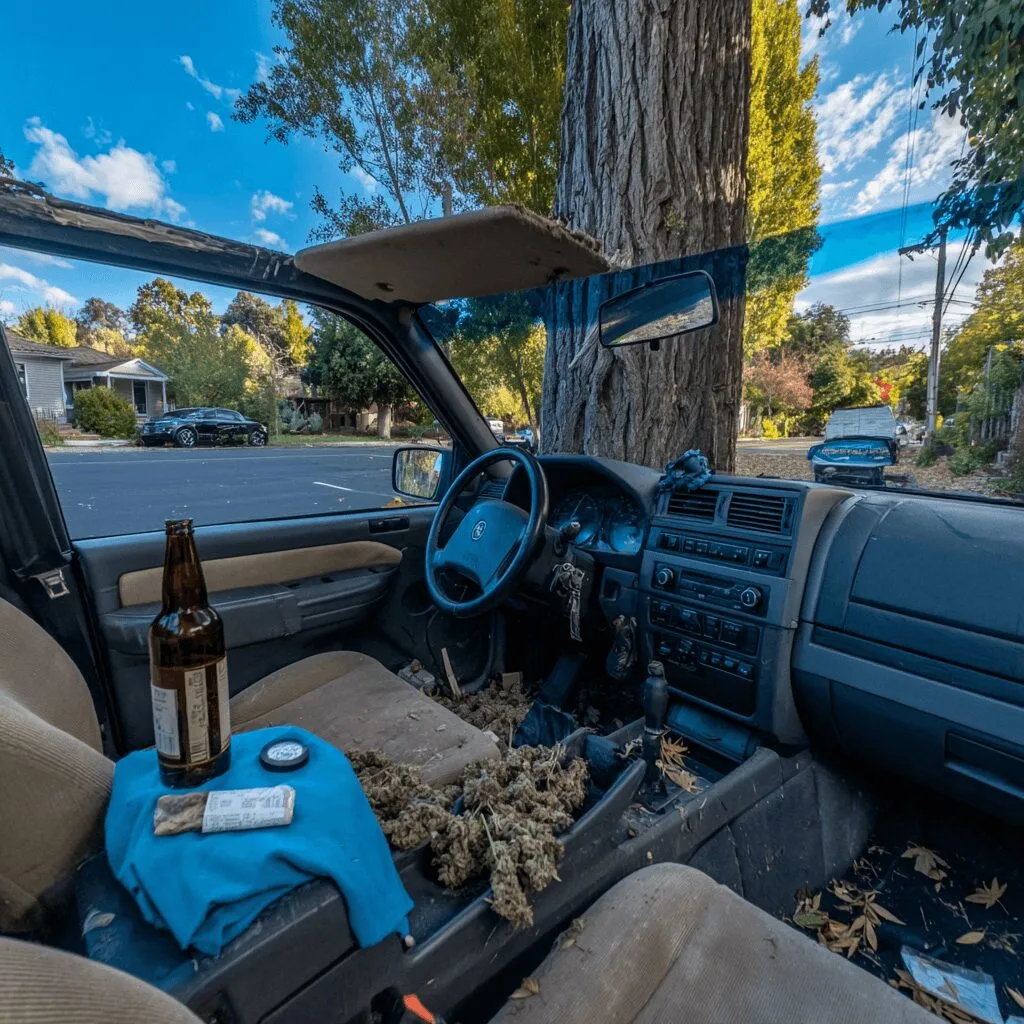
According to a recent report from WWMT News, a notable crash marijuana alcohol incident occurred in Marengo Township, Western Michigan. The Calhoun County Sheriff’s Office stated the incident took place late last week—a male driver, alone in his car, lost control at high speed and hit a tree. Emergency crews found the man trapped and hospitalized him for non-life-threatening injuries. Evidence of cannabis and alcohol use—ranging from rolling papers and a glass pipe to a cannabis bud and an empty beer bottle—was recovered in the vehicle. While officials continue the investigation, they believe both substances played a role, part of a broader concern as both the CDC and NHTSA highlight that mixing marijuana and alcohol increases crash odds. Enforcement officials urge drivers to avoid combining substances behind the wheel. If you’re interested in broader recovery and behavioral trends following mixed-substance incidents, exploring new data on marijuana addiction trends and help-seeking behaviors may provide valuable context.
Pro-Cannabis Industry Analysis and Nuanced Perspectives
Let’s clear the smoke: stories like this crash marijuana alcohol incident often stoke public fears, but the reality is nuanced. For example, NORML, a leading cannabis advocacy group, states, “While cannabis can impair psychomotor skills, studies consistently find that marijuana-impacted drivers tend to compensate by driving more cautiously—unlike those under the influence of alcohol” (NORML: Driving and Marijuana). No serious industry voice suggests it’s safe to drive high or mix booze and cannabis. Most responsible dispensaries preach moderation, education, and personal responsibility. Importantly, field sobriety tests and blood THC levels aren’t reliable measures of real-world impairment. The Drug Policy Alliance points out that THC lingers in the system long after actual effects fade, complicating enforcement. Many within the industry have advocated for advanced roadside impairment testing based on ability, not just blood content, to keep rules fair and risk-focused. For those dealing with dependence issues while navigating changing laws, the hidden struggle of living with cannabis use disorder provides an important perspective often missed in mainstream discussion.
Looking Ahead: Safer Roads and Smarter Policies for Cannabis
The crash marijuana alcohol incident highlights the need for evolving, science-driven laws. As legalization expands and society accepts cannabis more openly, it’s time to prioritize public safety and smarter regulation, not knee-jerk blame games. Across the U.S., state and industry partners are investing in driver education, improved impairment testing, and better outreach on responsible use (Leafly). The cannabis space is maturing, fast—expect to see more tech, public campaigns, and research shaping the next phase. If advocates, lawmakers, and consumers keep working together, we’ll see a future where cannabis use and safe driving coexist, without sensational headlines. The conversation will always continue, but thanks to thoughtful innovation and community, the cannabis industry will keep moving forward—one safe, responsible toke at a time.
Originally reported by: wwmt.com

1 Comment
Pingback: Social Isolation Cannabis Disorder: Understand the Real Impact