
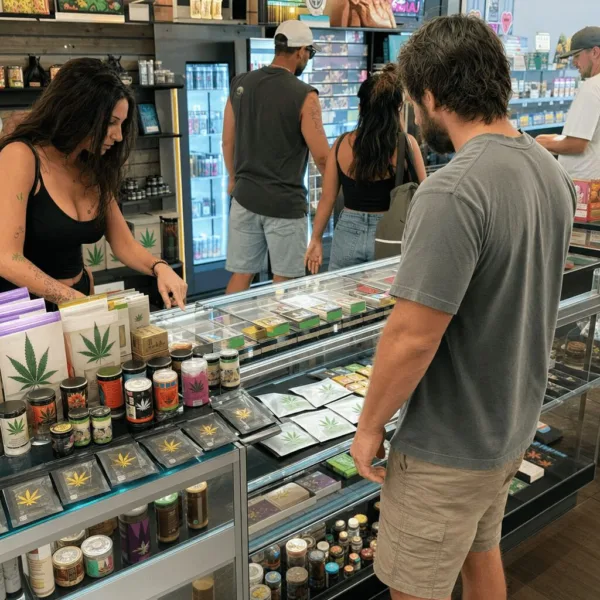
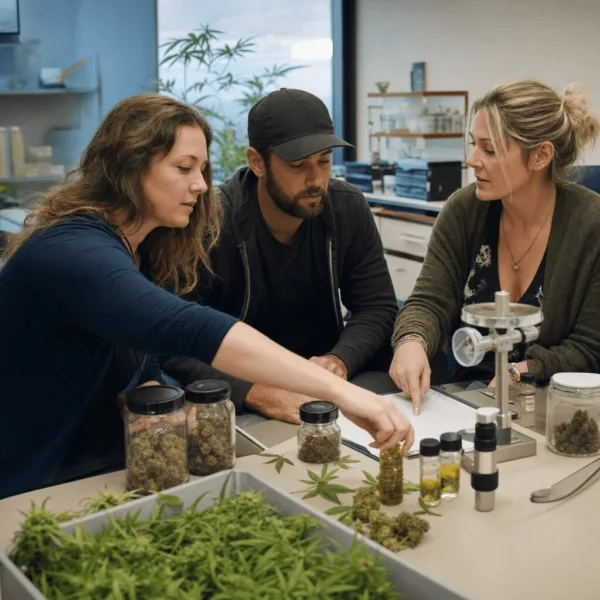



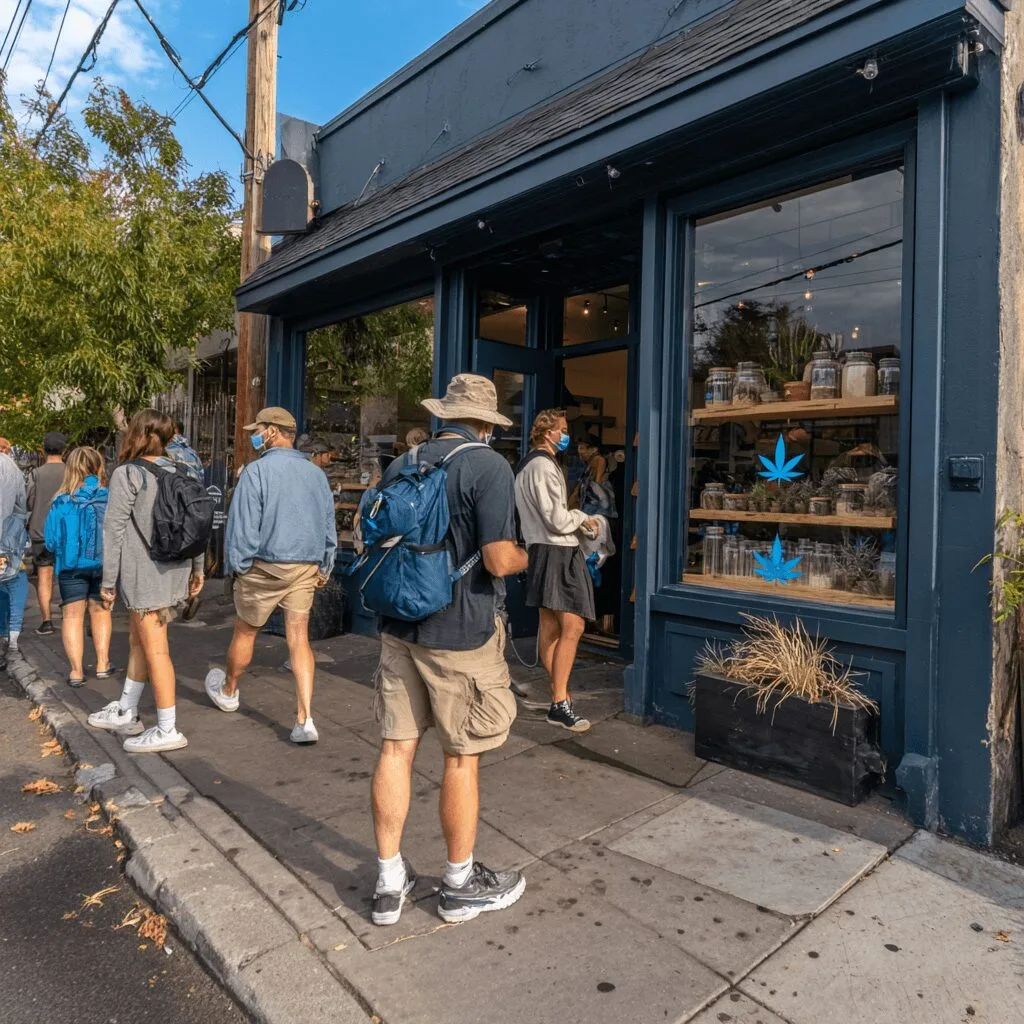
Cannabis culture is booming, and shops are popping up in more neighborhoods every month. But are there hidden dangers? The phrase ‘cannabis shop health risk’ is making headlines as new studies and news stories spark fresh debate. As legalization spreads, understanding real versus imagined risks is crucial. This article unpacks health concerns, the latest research, and expert opinions, so you can see why this conversation matters to every consumer, neighbor, and business owner today.
Why Is Cannabis Shop Health Risk a Hot Topic? Background & Context
The cannabis industry has moved from counterculture to mainstream over just a few years. Legalization in states like California, Colorado, and Illinois has increased regulatory scrutiny. According to Pew Research Center, nearly 90% of Americans support legal access to cannabis. This rapid growth hasn’t gone unnoticed by local governments and public health advocates. Changing legal landscapes can be seen in regions such as Minnesota, where new dispensary launches are influencing small towns and bringing big change to local communities, as highlighted in recent news about municipal dispensaries.
New state-level regulations now require shops to register, maintain security, and monitor impact on surrounding communities. Health departments, like those in Illinois, track new dispensaries to study their potential link to increased emergency visits or youth access. With more research, communities want answers about possible ‘cannabis shop health risk’, from air quality to crime stats to long-term neighborhood health impacts. Top reports in industry news outlets cover both the booming economic benefits and rising debates over regulation-driven health concerns.
Latest News and Core Issues Around Cannabis Shop Health Risk
A recent SciTechDaily article has reignited discussion over the health impacts of cannabis dispensaries in residential areas. According to their report, new data suggests neighborhoods with cannabis shops might see subtle increases in emergency department visits related to respiratory or cardiovascular distress. While most visits remain rare and mild, researchers at major universities are digging deeper. This study analyzed patient data from regions with recently opened dispensaries, noting a statistical correlation, not causation, between proximity to a cannabis shop and health risk indicators. Importantly, the study calls for further research rather than sounding alarm bells.
Many shops, such as Green Leaf Collective in Los Angeles and Sunnyside in Chicago, operate under strict safety and ventilation requirements. News of compliance and legal scrutiny can spread quickly, similar to the widespread attention sparked in Holland by a marijuana tax evasion case that raised questions about oversight and regulation, as explored in coverage of related legal headlines. Both local officials and businesses regularly review these standards, as confirmed by the California Department of Cannabis Control. At the same time, some critics fear unintended consequences for the most vulnerable residents. For example, a 2023 JAMA Network Open brief points out that increased retail cannabis presence could, in theory, influence youth perceptions or patterns of use, though direct links remain weak and contested among experts. The issue is gaining attention as cities fine-tune zoning regulations and public education efforts, aiming to balance safety, access, and economic opportunity.
Expert Analysis and Balanced Perspectives on Cannabis Shop Health Risk
On the surface, new data creates concern, but experts urge context. “Correlation doesn’t mean causation,” notes Dr. Peter Grinspoon, a Harvard Medical School instructor and prominent cannabis physician. In a recent Harvard Health feature, Grinspoon emphasized, “Most reputable studies have not found major health risks specifically caused by living near dispensaries.” Rather, he says any increase in health incidents usually relates to broader substance use trends, not a direct cannabis shop health risk.
Industry veterans agree: strict licensing, filtering, and air-quality guidelines minimize accidental exposures or environmental burdens. According to Leafly News, dispensaries operating within legal frameworks make neighborhoods safer by reducing illicit trade. Community engagement also takes many forms, such as store openings that generate positive local conversation, as illustrated by the recent buzz surrounding Hi! People’s second retail location in Hartford, detailed in community coverage of cannabis retail launches. Many health groups, including the Centers for Disease Control and Prevention, advise community education and transparent labeling, rather than alarmist crackdowns. It’s about steady, science-based progress, balancing freedoms with real public health safeguards.
Still, nuanced debates continue. A Brookings Institution analysis reminds us that regulation needs constant tuning as the science evolves. Trustworthy cannabis shop operators actively engage in local partnerships, sponsor community health education, and welcome oversight, reflecting the sector’s maturing professionalism. As more evidence emerges, the aim is always to separate fact from fear and create a model for responsible retail that stands up to scrutiny.
Where Do We Go From Here? Looking Ahead on Cannabis Shop Health Risk
It’s clear: society wants clear-eyed, honest answers about cannabis shop health risk, not hype or outdated stigma. New studies offer helpful starting points, but none call for panic. They highlight the need for smarter policy and deeper community engagement. The cannabis sector keeps evolving, focusing on transparency, safety, and positive neighborhood impact—especially as legalization spreads further across the United States and Canada. Regulatory agencies and public health organizations like CDC continue to monitor outcomes, updating standards as new information emerges.
Growth in the cannabis retail industry means more jobs, tax revenue, and above all, a chance to do legalization right. As noted by MJBizDaily, community partnerships and evidence-based practices set the foundation for safer, healthier, and more inclusive markets. By focusing on fact, balance, and respect, everyone wins. The future looks bright for responsible cannabis retail—and for the communities that welcome it with open eyes and open minds.
Originally reported by: scitechdaily.com



1 Comment
Pingback: Major Narcotics Distribution Arrests: Shocking Details Revealed