





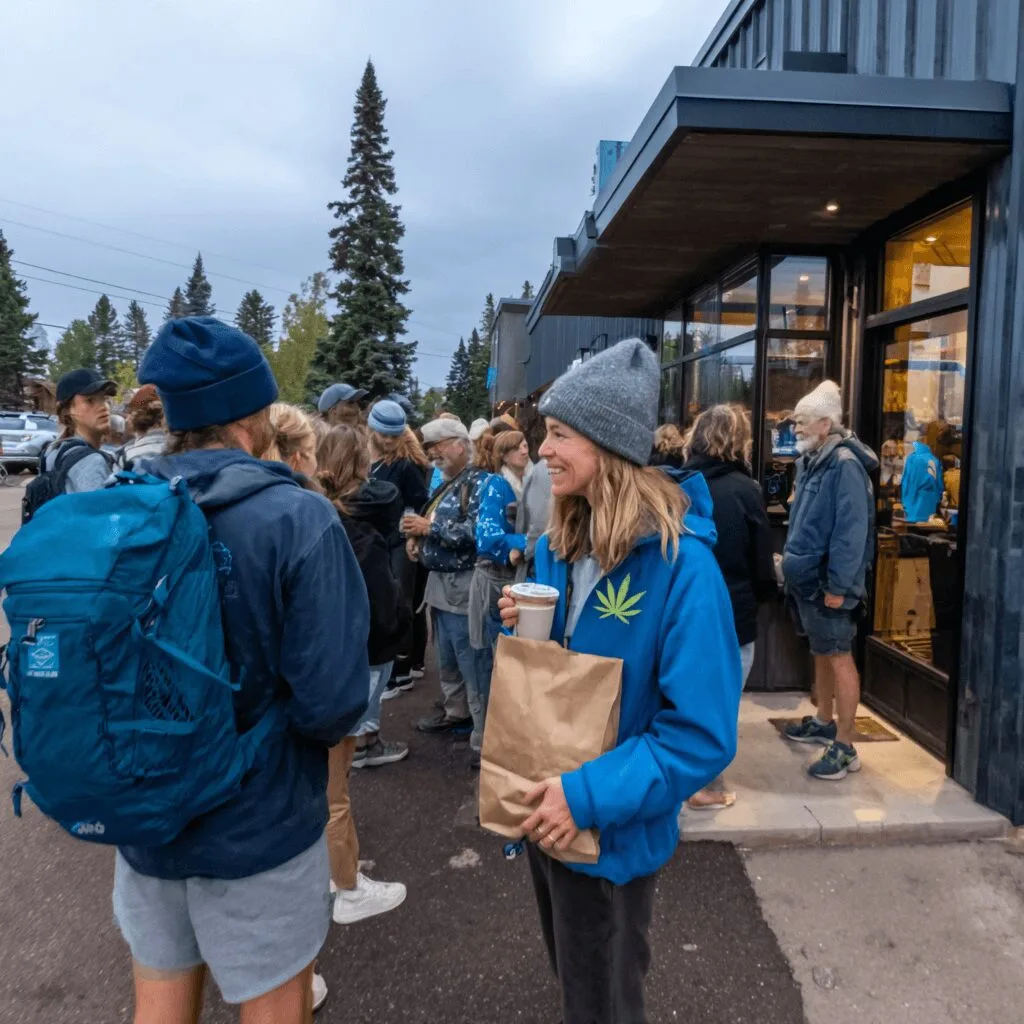
Minnesota municipal cannabis dispensary: What to Expect
There’s a fresh, electric buzz across Minnesota, and it’s not just from a state fair hotdish. With lawmakers green-lighting the first Minnesota municipal cannabis dispensary, small-town life is about to blend with cannabis culture in a way never seen before. Why does this matter now? Legalization momentum is doubling up, equity is front and center, and towns across the state are gearing up for their own slice of the green economy. Ahead, we break down what’s happening, why it matters for Minnesotans, and what this means for the broader industry.
Setting the Stage: Minnesota’s Legal & Social Landscape
Minnesota has long been a state that plays it both careful and compassionate on cannabis. Medical marijuana arrived back in 2014, a move rooted in health advocacy and measured progress, with policies reflecting a balance between public health and freedom of choice. In 2023, Minnesota took the plunge into adult-use cannabis, following a strong trend across the Midwest and responding to data showing broad public support for legalization, according to Pew Research. The unique twist: Minnesota is among the pioneers exploring municipally run dispensaries, an idea rooted in public ownership and local reinvestment. Unlike other states, where private operators dominate, cities like Red Lake are seeking to directly manage cannabis shops. This move mirrors the passion and uncertainty often seen in states debating broad legalization, similar to recent developments in Massachusetts. This approach is seen as a way to ensure local profits and prioritize community needs over outside corporate interests.
The Big News: Minnesota’s First Municipal Cannabis Dispensary
According to a recent report by Marijuana Business Daily, Minnesota is on track to launch its inaugural municipal cannabis dispensary in 2026 (source). The city of Red Lake, an Ojibwe Nation reservation and trailblazer in state-run enterprises, has taken the lead. Their plans include creating a fully city-owned dispensary model, cutting out middlemen and corporate chains, and redirecting profits straight back into local programs. The state’s Office of Cannabis Management—set up in tandem with legalization—has been pivotal, drafting regulations that empower municipalities to control their own cannabis fates within strict state guidelines. Permitting, zoning, and supply chain logistics are actively being worked out with input from public health officials, law enforcement, and indigenous leaders, in a process not unlike how small hemp shops must adapt under new federal policies, as highlighted in recent Congressional discussions. The process is rolling amid a broader regulatory transformation, as Minnesota positions itself to ensure safety, social equity, and economic inclusivity in its cannabis rollout. While Red Lake is the poster child for this municipal movement, the legislation is clear: any eligible municipality may apply to operate a Minnesota municipal cannabis dispensary, provided they meet rigorous state standards.
Expert Analysis: Why Minnesota’s Model Stands Out
Let’s get real, the municipal approach isn’t just bold, it’s historic. Nationally, most dispensaries are privately owned, leaving local governments to tax and regulate leftovers. Minnesota’s model flips this dynamic. By allowing city- or tribally-owned shops, the law gives communities direct control over product quality, prices, and even social policies. Many see this as a way to protect small towns against industry monopolization, boost social equity, and keep more economic benefits close to home. According to Leafly’s 2023 industry review (Leafly): “Minnesota’s move could set a new standard for community-focused cannabis, letting small towns actually steer their own destinies.” Veteran activist Steve Hawkins, former executive director of the Marijuana Policy Project, summed it up: “Municipally owned dispensaries can be a game-changer for ensuring transparency, accountability, and real community benefit.” This municipal blueprint emphasizes education and safe accessibility, similar to innovative university-led cannabis initiatives such as those found at Kent State. And here’s the kicker: public ownership often means less marketing excess, more focus on education, and a safer, more inclusive environment for first-time cannabis consumers. All of this happens under the watchful eye of state law, offering a regulatory blueprint for other states to follow.
Looking Forward: High Hopes and Lasting Impact
The launch of the Minnesota municipal cannabis dispensary isn’t just about selling buds and gummies; it’s a test case for changing the cannabis business playbook—not just in Minnesota, but nationwide. With thoughtfully crafted regulations and a strong commitment to social equity, towns like Red Lake are leading a quiet revolution on what public ownership can do. If Minnesota’s municipal dispensary succeeds, expect more cities and states to follow. According to the National Conference of State Legislatures (NCSL), new models like these could shape future cannabis laws across the country.
In the coming years, residents will have more say in where their cannabis comes from—and where the market’s wealth flows. Expect more jobs, community-funded projects, and an evolving public conversation as towns like Red Lake become examples of how responsible cannabis can be woven into the social fabric. As the green wave rolls on, Minnesota is not just following a trend—it’s building a legacy.
Originally reported by: mjbizdaily.com
2 Comments
Pingback: Marijuana Induced Vomiting: Surprising Truths & Health Risks
Pingback: Florida recreational weed vote: What’s at stake in 2026?