




DOJ cannabis enforcement change: What Congress demands now
The cannabis industry just can’t catch a break—or maybe it just did. With a major DOJ cannabis enforcement change making headlines, lawmakers, businesses, and advocates are all feeling that shift in the air. Congress is now demanding clarity, and the impact of these moves could ripple across every dispensary, grow room, and patient in the nation. If you care about the future of weed in America, you want to pay attention to this moment. Let’s dig into what’s changing, who’s making noise about it, and what it could mean for the green scene coast to coast.
Tracing the Roots: Regulatory and Social Backdrop
America’s relationship with cannabis has always had a certain edge, half legal, half taboo. The patchwork of state and federal laws creates endless uncertainty for everyone from business owners to medical patients. Across the Midwest, as seen in recent changes to neighboring state marijuana tax revenue collections, economic impact has grown ever more apparent. For years, the Department of Justice (DOJ) has issued memorandums like the Cole Memo, laying out that as long as states regulate, feds would look the other way. But it’s a fragile peace. When federal policy shifts, the entire market holds its breath. According to Marijuana Moment, state-legal cannabis industries now generate billions and support tens of thousands of jobs. Social perception, too, keeps mellowing out, and Pew Research says over 60 percent of Americans now favor full legalization. But as everyone in the cannabis game knows, none of these wins feel totally locked in until the feds get on board. The DOJ cannabis enforcement change is shining a fresh spotlight on how fragile, complicated, and high-stakes this situation still is.
Congressional Pressure Mounts, What’s Changing Right Now?
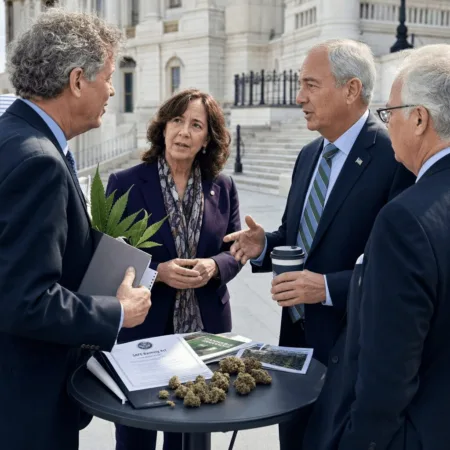
Here’s the scoop, in late November 2025 Rep. Barbara Lee (D-CA), a longtime voice for cannabis justice, formally called out the DOJ for a sudden DOJ cannabis enforcement change. Lee sent a demanding letter to Attorney General Merrick Garland, asking for a full public explanation of the shift and its legal justifications. According to Marijuana Moment, the concern is real: the DOJ tweaked its guidance on cannabis prosecution priorities without transparent consultation. This shift in Congress is reminiscent of recent calls for more meaningful reform among lawmakers who hope for real policy change, particularly as inconsistent enforcement could upend business operations and threaten individual liberties. The alteration comes amid wider federal reconsideration of marijuana’s Schedule I status, even as the Department of Health and Human Services proposes reclassification, but the DOJ’s latest move sends mixed signals. Lee’s demands for answers echo those of industry leaders and advocacy groups, all stressing the urgency of clear, consistent enforcement policy as federal-state cannabis conflicts heat up once again. The noise isn’t just in Congress, regulators and attorneys general in major cannabis-friendly states—like California, Illinois, and New York—are also seeking reassurances that their regulated markets won’t be undercut by surprise raids or legal action. That’s a lot riding on every memo and meeting that drops at DOJ HQ.
Expert Reaction, Why This DOJ Cannabis Enforcement Change Matters
Plenty of folks in the cannabis world are vibing with some anxiety, as well as insight. As Ethan Nadelmann, founder of the Drug Policy Alliance, famously put it: “The faster federal policies evolve to reflect political and scientific realities, the better for all.” (Drug Policy Alliance). The newest DOJ cannabis enforcement change unsettles the already-volatile balance between states charting their own paths and ongoing federal involvement. Industry insiders note that businesses have invested millions based on tacit understandings of old DOJ guidance, yet sudden changes can lead to investor unease—something also witnessed during recent surges and market disruptors affecting cannabis-aligned stocks. And for medical patients, ambiguity can mean insecurity around access and supply. According to reports from MJBizDaily, investors are getting jittery over inconsistent federal signals, while legal scholars stress the need for transparent, participatory rulemaking instead of backroom amendments. The overall vibe, secure, consistent enforcement empowers businesses and patients, but secretive, shifting guidance saps confidence and slows the march toward national reform. As Nadelmann puts it, “What matters most is a rational, predictable approach that respects state choices and protects public health.” That’s the real north star the DOJ should be chasing.
The Road Ahead: Hopeful Tides Despite Uncertainty
It’s easy to get whiplash following every DOJ cannabis enforcement change, but there’s plenty of hope on tap. Every time Congress steps up with tough questions, it sends a message that U.S. cannabis isn’t a political sideshow—it’s a major industry demanding stable rules. Social momentum keeps swinging our way; state after state locks in reforms, and even the feds are inching towards modern approaches. No matter what curveballs the DOJ throws next, the future for American weed is bright. According to Leafly’s policy analysis, more clarity from federal agencies is inevitable as the stakes get higher and the economics get bigger. Stay tuned, stay informed, and keep that activist energy—because the next wave of change is closer than you might think. One shift at the DOJ doesn’t change the endgame: legalization, stability, and real justice for the cannabis community.
Originally reported by: marijuanamoment.net

1 Comment
Pingback: Psychedelics Non-Affective Psychosis: Surprising New Insights