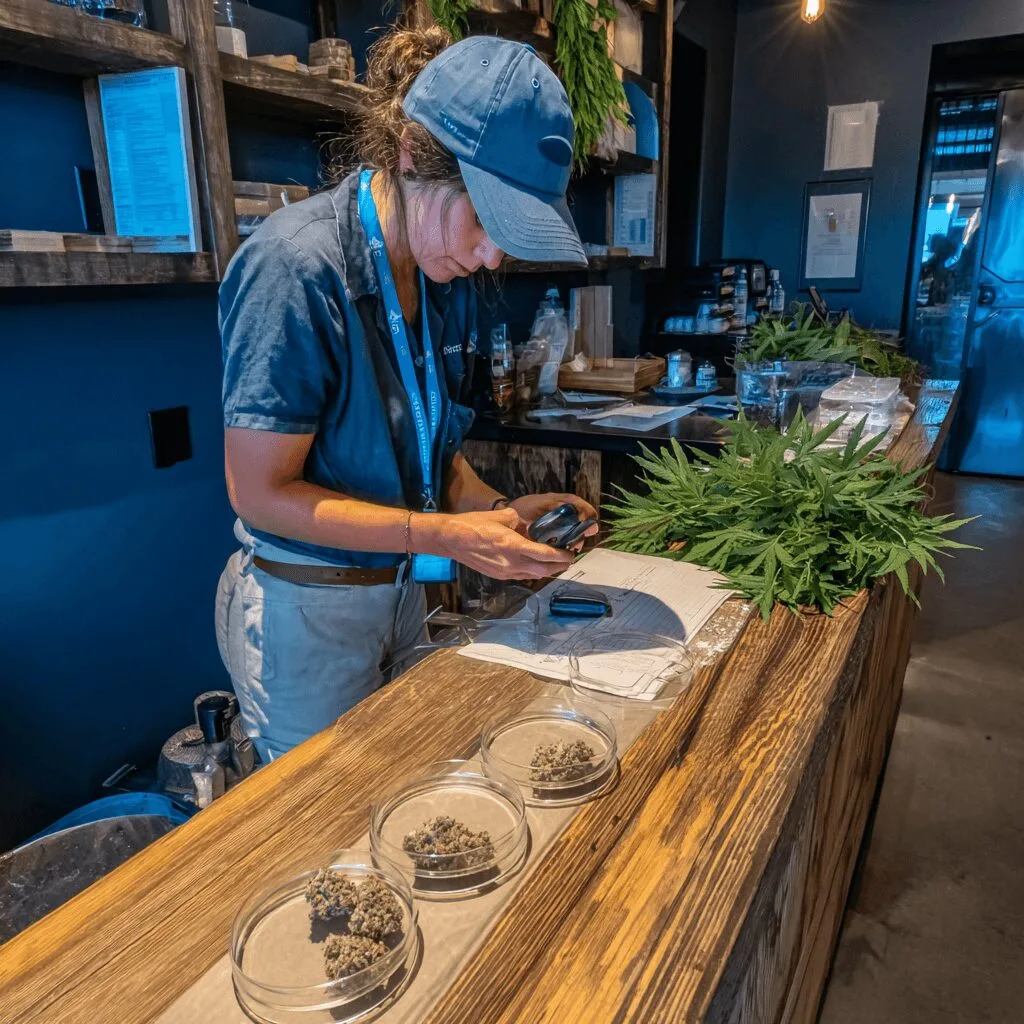
Quantitative Microbial Cannabis Testing: Ensure Safety & Compliance
Cannabis demand is rising as legalization spreads and product lines diversify. At the same time, consumers, regulators, and industry leaders are demanding stricter quality and safety checks. That’s why quantitative microbial cannabis testing has never been more crucial. It ensures every flower, edible, or concentrate on the market is genuinely safe. This guide breaks down recent updates, key industry developments, and what they mean for cultivators, retailers, and savvy consumers. Ready to level up your knowledge? Let’s do it.
Why Microbial Testing Matters in the Cannabis Industry
As the legal cannabis market continues to expand, so does its responsibility to protect consumers. Unlike many traditional crops, cannabis is often inhaled or ingested soon after production, which means microbial contamination poses real health risks. Regulators from the FDA to state agencies have created strict safety standards, making quantitative microbial cannabis testing essential for all legal operators. According to clinical research, these tests can detect hazards like molds, yeasts, and harmful bacteria that thrive in improperly cured or stored flower. Stringent standards help prevent outbreaks and assure customers that products are free from health threats. These health and compliance measures reflect broader debates about regulation and consumer safety seen in cases such as recent illegal cannabis extraction lab busts that emphasize the risk of unregulated markets. As more states legalize adult use, the demand for robust, quantitative techniques grows, linking market access directly to transparent testing and proven compliance.
Recent Developments Shaping Quantitative Microbial Cannabis Testing
In the past year, cannabis testing labs have rapidly adopted new quantitative methods to align with strict federal and state-level reforms. For instance, Ilera Healthcare rolled out improved PCR-based microbial analyses after Michigan updated their safety rules in early 2023 (source: Michigan Cannabis Regulatory Agency). At the same time, pressure from consumers and advocacy groups encouraged California to revise their microbial limits, as reported by Marijuana Moment. In the context of these legal changes and market responses, it’s notable how challenges such as Florida’s ongoing legal battles over marijuana legislation reveal the rapidly shifting regulatory landscape. These shifts mean that producers must revisit cultivation, curing, and packaging workflows—testing not only for presence, but also for actual amounts (colony-forming units per gram). Industry sources like Cannabis Science and Technology emphasize that next-generation sequencing and real-time PCR have become the standard, replacing less reliable culture-based methods. Meanwhile, Illinois, Oregon, and Massachusetts have all introduced stricter enforcement and surprise lab audits since late 2023, according to NORML. Such changes are as disruptive to producers as those faced when hemp-derived THC products began to alter the legislative landscape.
Expert Insights: Why Quantitative Microbial Cannabis Testing Is Transforming Cannabis Safety
Industry scientists highlight that the primary advantage of quantitative microbial cannabis testing is its accuracy and actionable results. By measuring specific contamination levels, labs give businesses meaningful information—not just vague ‘pass/fail’ outcomes. This level of detail is crucial, especially for immunocompromised or frequent consumers. Dr. Amber Wise, science director at Medicine Creek Analytics, summarizes the impact: “Quantitative testing lets us move from guessing to quantifying risk, and only with real numbers can businesses protect customers and remain compliant” (Cannabis Business Times). At the same time, these advanced testing protocols have helped destigmatize the plant, demonstrating a commitment to safety. This mirrors the shift toward harm reduction and more equitable mental health care in cannabis, as explored in the growing role of clinicians in harm reduction strategies. As mainstream labs like Steep Hill and SC Labs push for greater transparency, quantitative microbial cannabis testing is steadily becoming the baseline for trust across all parts of the industry.
Cannabis Safety: Looking Forward with Quantitative Microbial Cannabis Testing
The future of the cannabis sector is hinging on science-backed credibility. As regulatory frameworks evolve and public confidence grows, quantitative microbial cannabis testing will only become more central. Brands prioritizing this standard stand out in a crowded market and are better shielded against recalls or legal headaches. According to a recent New Frontier Data industry report, rigorous microbial safety testing is one of the most trusted assurances for consumers and regulators alike. If you’re an advocate, patient, cultivator, or retailer, now’s the time to embrace these precise techniques, not just for compliance but for the health and positive image of cannabis itself. At the end of the day, clean, tested flower makes for a safer sesh—and a stronger, healthier industry. Stay tuned for more innovation, higher standards, and an even brighter future for cannabis as testing evolves.
Originally reported by: cannabissciencetech.com