


Marijuana Seized Towing: Shocking Lewis County Discovery
The marijuana industry keeps the news cycle lively—and this latest headline proves it. In a world where state laws, federal rules, and shifting social vibes run headlong into old-school stigma, the topic of marijuana seized towing is more relevant than ever. With legalization expanding, unexpected discoveries like this Lewis County incident not only grab attention but also raise big questions about how cannabis is handled long after the sale. Read on as we break down what went down, what it means for the industry, and why even a routine tow job can echo through the cannabis landscape.
Legalization Patchwork: Cannabis, Cars, and Law Enforcement
To really get why a marijuana seized towing bust is newsworthy, you have to understand America’s cannabis regulatory patchwork. While over half of the states have some legal access to cannabis, the rules about transportation, possession limits, and law enforcement reporting vary massively. According to the National Organization for the Reform of Marijuana Laws (NORML), what’s permissible in one neighborhood can be a felony in another. Washington, which includes Lewis County, does allow adult-use cannabis, but it keeps close watch on quantity and movement, especially when large amounts are involved. Leafly’s Washington breakdown highlights regulations on packaging for transport and real consequences for stepping beyond legal boundaries. That makes anything involving marijuana seized towing a complicated legal dance, where even a forgotten trunk can lead to significant headlines and raises broader questions about current enforcement. In Maine, recent moves such as local facility moratoria show that the regulatory map is constantly evolving and every jurisdiction has its own priorities.
Breaking Down the Lewis County Marijuana Seized Towing Incident
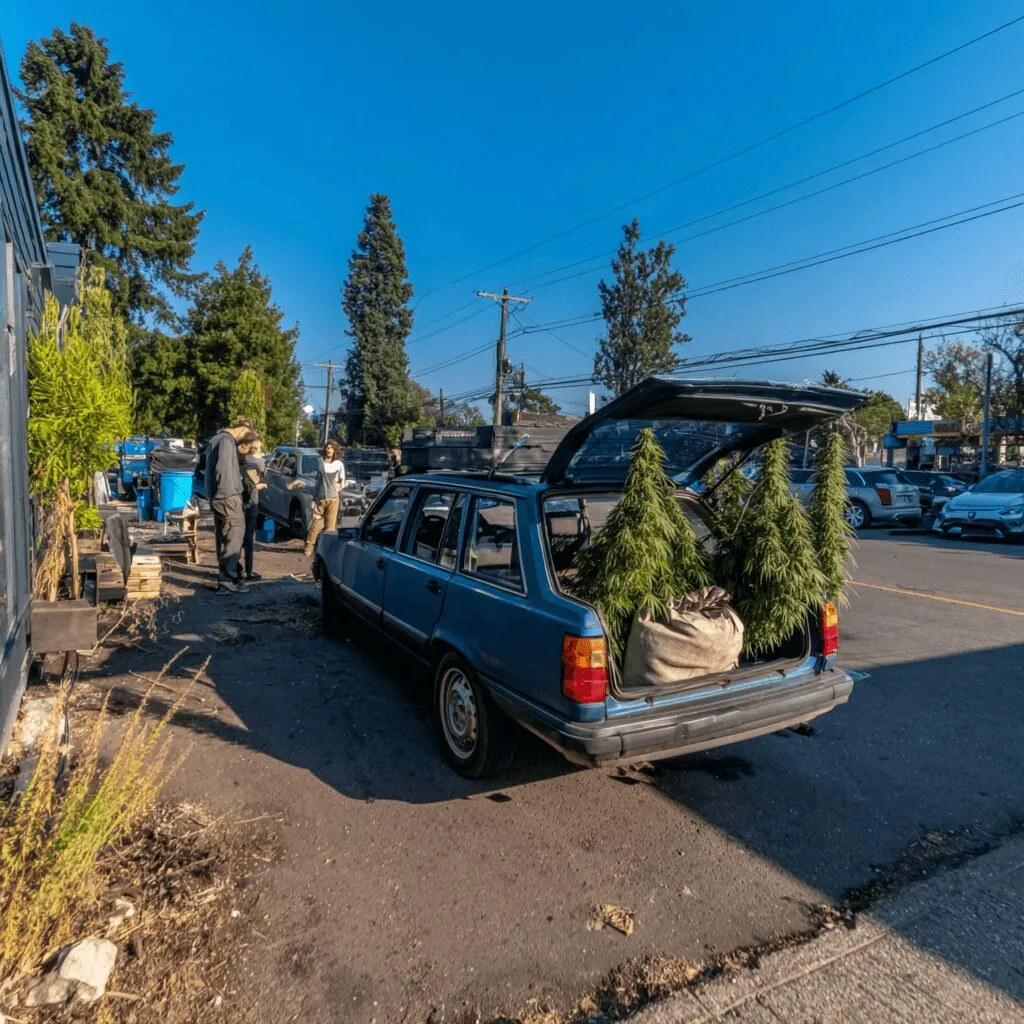
Here’s what happened in Lewis County, where a towing company made an unexpected discovery after hauling an impounded vehicle to their lot. As reported by The Chronicle, workers opened the trunk and found roughly 63 pounds of cannabis. The tow originated from a routine call, but the massive stash quickly triggered a chain of legal actions. Prosecutors confirmed the marijuana haul, immediately launching an investigation into the car’s ownership, the origin of the cannabis, and potential trafficking links. The authorities marked the seized amount as far above the legal transportation limit in Washington (where only licensed entities can move commercial product), raising issues of legality, motivation, and regulatory oversight. As these events unfold, they echo the shakeup experienced by local businesses when regulatory frameworks change rapidly, as in the case of Indiana’s hemp-derived Delta-8 ban, demonstrating how sudden enforcement actions create uncertainty for entire industries.
Expert Analysis: What the Lewis County Case Tells Us
This marijuana seized towing event fits a familiar pattern seen in newly legal markets, where remnants of old laws intersect awkwardly with regulation. Cannabis industry experts, like MJBizDaily columnist and analyst John Schroyer, explain, “Legalization increases transparency for most operations, but there’s still a gray market that survives because of regulatory gaps and inconsistencies.” Moments like this—finding cannabis in impounded vehicles—highlight these regulatory gaps. The legal market’s traceability systems are intended to prevent diversion, but demand and mixed enforcement allow illicit activity to persist. Civil asset forfeiture and vehicle searches remain, keeping cannabis advocates on alert. As the Marijuana Moment editorial team notes, accidental discoveries like this result in complicated legal and ethical questions for all parties involved. These trends also spark community responses similar to how grassroots efforts, like organized Thanksgiving meals by the cannabis community, work to destigmatize cannabis use and foster local solidarity in a changing legal landscape.
Looking Forward: Regulation, Normalization, and the Next Wave of Change
Cases like this marijuana seized towing in Lewis County highlight the growing pains of a maturing cannabis industry. The transition from strictly prohibited to cautiously legal has left behind a landscape full of contradictions—legal markets coexisting with legacy habits and enforcement traditions, sparking oddball news stories and serious policy questions alike. But as reports from reputable sources like the Pew Research Center show, social acceptance of cannabis is at an all-time high, and each case like this pressures policymakers to improve the rules. As the cannabis world keeps expanding, transparency and accountability will only get stronger. Expect fewer surprises, clearer guidance for businesses like towing companies, and smoother cooperation between regulators and legal operators. The vibe is trending positive: more openness, evolving regulations, and plenty of room for smart, legal growth. That’s the direction the most advanced markets are already heading, and stories like this only help the journey.
Originally reported by: chronline.com

1 Comment
Pingback: Tallahassee marijuana trafficking: Inside the real courier case