



Hawaii medical cannabis rules: Essential Updates You Must Know
If you’re navigating Hawaii’s cannabis landscape in 2024, listen up—big changes are here. The Hawaii medical cannabis rules have been amended, sparking discussion from Hilo to Honolulu. These updates impact dispensaries, patients, and caregivers, shifting how medical cannabis is accessed across the islands. With new regulations, there’s a lot at stake for local patients and the industry. Let’s unpack these rule changes, why they matter now, and what they tell us about Hawaii’s evolving cannabis culture.
Understanding the Roots: Regulatory and Social Backdrop in Hawaii
Medical cannabis has been part of Hawaii’s legal system since 2000, when the state became one of the first to permit patients access to therapeutic cannabis products. Yet, the Department of Health has slowly refined regulations to balance public health with patient needs. The Hawaii medical cannabis rules not only enforce safety and compliance, but also reflect growing local acceptance of cannabis as medicine, especially amid national shifts such as the trend toward broader legalization. Socially, Hawaii’s unique blend of native traditions and multicultural openness has helped shape a compassionate, patient-focused approach, even as debates over federal legality and stigma continue. The 2020s have seen substantial expansion of dispensaries and a slow embrace from Hawaiian lawmakers, following national best practices from states like Colorado and Oregon. As patient advocates from other states work to be recognized for their community efforts, the movement towards acceptance has brightened just as in places highlighted by stories such as cannabis merit awards honoring community contributions. Industry experts note that Hawaii’s cautious, community-focused tweaks keep both patients and skeptics in mind, according to recent commentary from Marijuana Business Daily.
Key Developments: What’s Changed in Hawaii Medical Cannabis Rules?
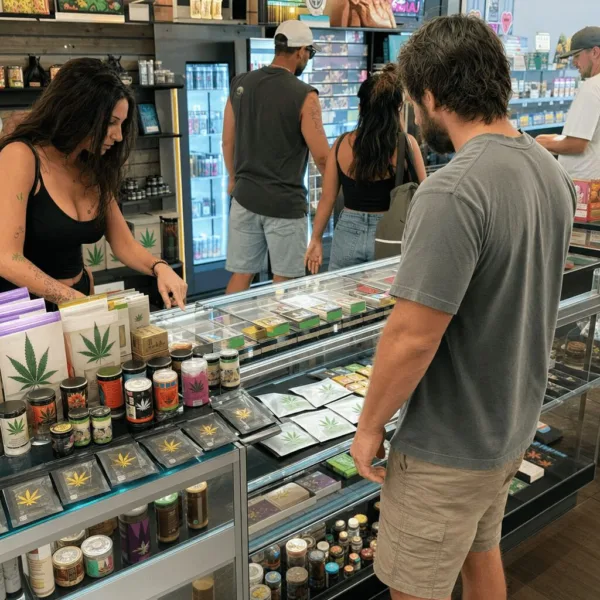
So, what exactly is new in the Hawaii medical cannabis rules as of late 2024? According to the Big Island Video News, the state’s Department of Health released amendments affecting licensed dispensaries and their operations. These rules were formally adopted in November 2025 after public comment and testimony from patients, caregivers, and operators. Some game-changing updates include:
- New inventory tracking requirements: All dispensaries must upgrade compliance systems for digital seed-to-sale monitoring, ensuring tight product traceability and transparency.
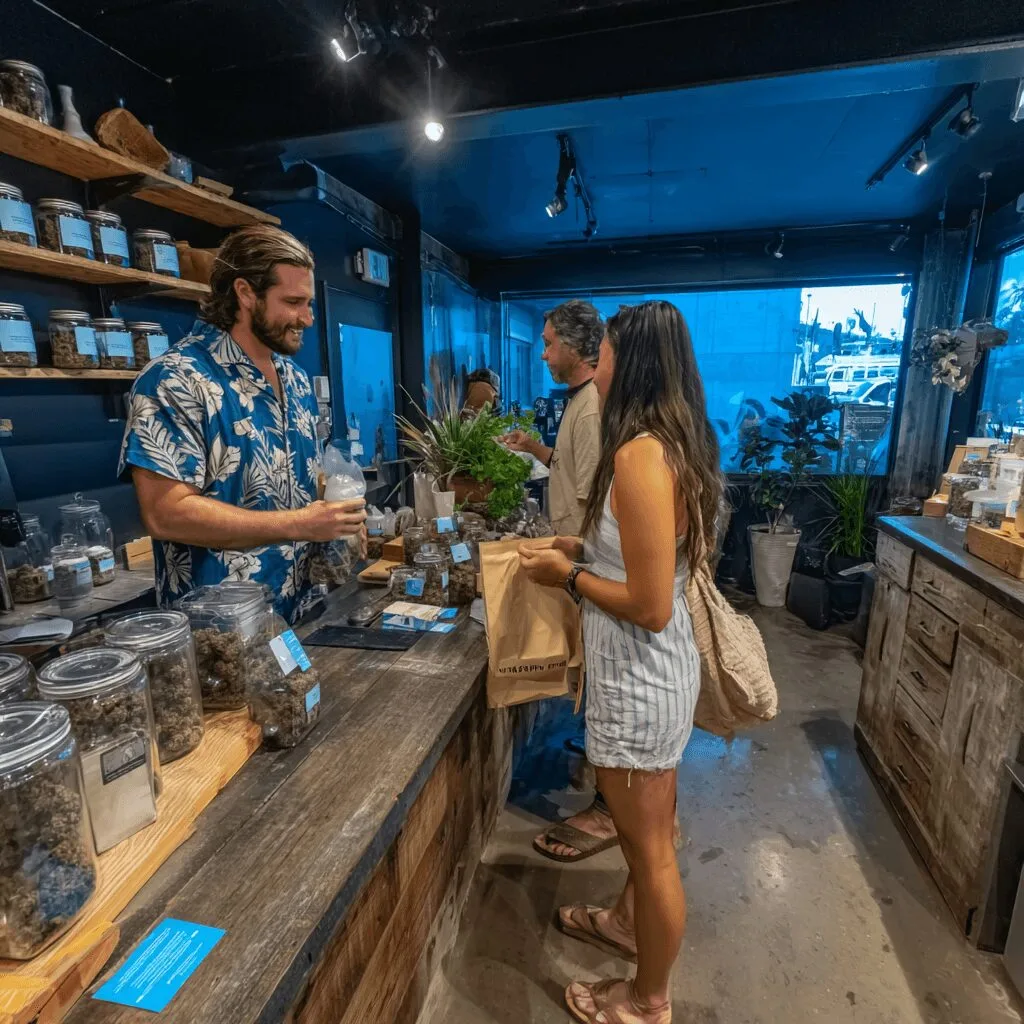
- Caregiver access broadened: The rules loosen previous restrictions on caregiver designations, enabling more flexibility for medical cannabis patients who cannot travel or manage their own treatment.
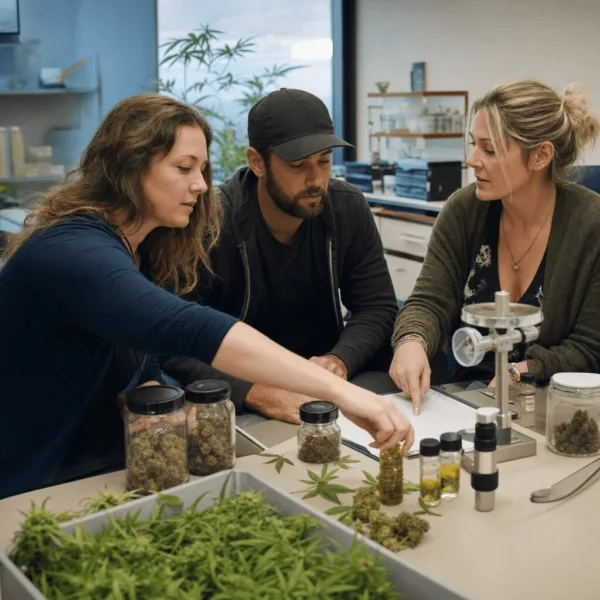
- Updated product safety standards: Testing requirements for contaminants, potency, and labeling have been raised to match the highest national safety standards.
- Changes to on-site consumption policies: Restrictions remain, but the rulemaking process sparked calls for safe consumption lounges in the future, stirring debate among both advocates and policymakers. Discussions about product safety and substance alternatives are becoming frequent, especially as research shows cannabis’s broader societal impact, similar to findings seen in recent studies on safer social drinking patterns.
The November 2025 amendments directly impact dispensary operators like Aloha Green and Big Island Grown, as they must now quickly roll out updated compliance systems. The Department of Health’s move followed months of industry consultation and a comprehensive review of patient concerns, as reported by Hawaii News Now (main site source).
Expert Analysis: Why These Rule Changes Matter
The 2025 amendments mark a new phase for Hawaii’s regulated cannabis industry. Here’s what stands out from an insider perspective: First, upgraded inventory tracking increases public trust, essential for keeping the federal government off Hawaii’s back. Second, liberalized caregiver rules acknowledge Hawaii’s uniquely spread-out geography, where many patients live far from dispensaries or medical infrastructure. Third, aligning product safety testing with national benchmarks signals Hawaii’s intent to lead by example within cannabis regulation. Industry veteran Dr. Stacey Kerr, writing for Leafly News, states, “These improvements show the islands can blend aloha spirit with the highest standards of patient safety, ensuring Hawaii medical cannabis rules set the bar for compassionate regulation.” These moves echo trends seen in progressive states, proving Hawaii’s industry can innovate while respecting tradition, according to Weedmaps’ legal experts. In the context of other states’ evolving cannabis landscapes, Hawaii’s patient-centered approach reflects ongoing efforts, much like recent developments in expanding adult-use markets and community building elsewhere.
Future Outlook: Where Hawaii Medical Cannabis Rules Go From Here
Looking ahead, Hawaii’s medical cannabis scene is set to expand responsibly—with these latest rules creating a safer, more accessible market for all. Expect more local patients benefiting from streamlined access and safer products, plus continued advocacy for safe consumption spaces. As stigma fades and lawmakers take cues from successful models nationwide, Hawaii medical cannabis rules are positioning the islands as leaders in regulated therapeutic cannabis. As NORML anticipates, growing social acceptance and evidence-based regulation will keep moving the needle for medical—and perhaps, someday, adult-use—cannabis throughout the Aloha State.
Originally reported by: bigislandvideonews.com
1 Comment
Pingback: Cannabis Use in Older Adults: Is It Safe or Risky?