





Georgia hemp industry threat: How new rules could change everything
The Georgia hemp industry is feeling the heat right now, folks. With new federal rules in the pipeline, growers and advocates are confronting the real possibility of massive changes. This Georgia hemp industry threat isn’t some abstract legal drama—it directly impacts jobs, supply chains, and the future of cannabis in the South. In this article, we’ll break down what’s happening, why it matters, and what it could mean for everyone invested in Georgia’s green revolution.
Background: Why the Georgia Hemp Industry Threat Is Real
It’s no secret the hemp market has exploded in Georgia since the 2018 Farm Bill let states explore regulated hemp production. Farmers dove in, seeing a lifeline crop, one with lower environmental impact and higher value than mainstream commodities. Now, the rug might get yanked. The US Department of Agriculture has steadily updated compliance and THC-testing regs, while the federal government still views cannabis with suspicion. According to NORML, legislative ambiguity and shifting standards keep the industry on its toes. On the local side, the Georgia Department of Agriculture became the state’s hemp gatekeeper, ensuring growers follow the law. But with pressure mounting for a tighter federal crackdown on intoxicating cannabinoids and processed hemp products, industry veterans recognize a Georgia hemp industry threat when they see one. Socially, there’s a growing acceptance for hemp but lingering stigma around cannabis, making regulatory swings riskier for both business and community. For example, in other regions like Maine, new regulations have sparked both concern and curiosity among local communities and policymakers, similar to the concerns raised about stricter cannabis rules in Maine.
Key Developments: What’s Shaking Up Georgia’s Hemp Industry?
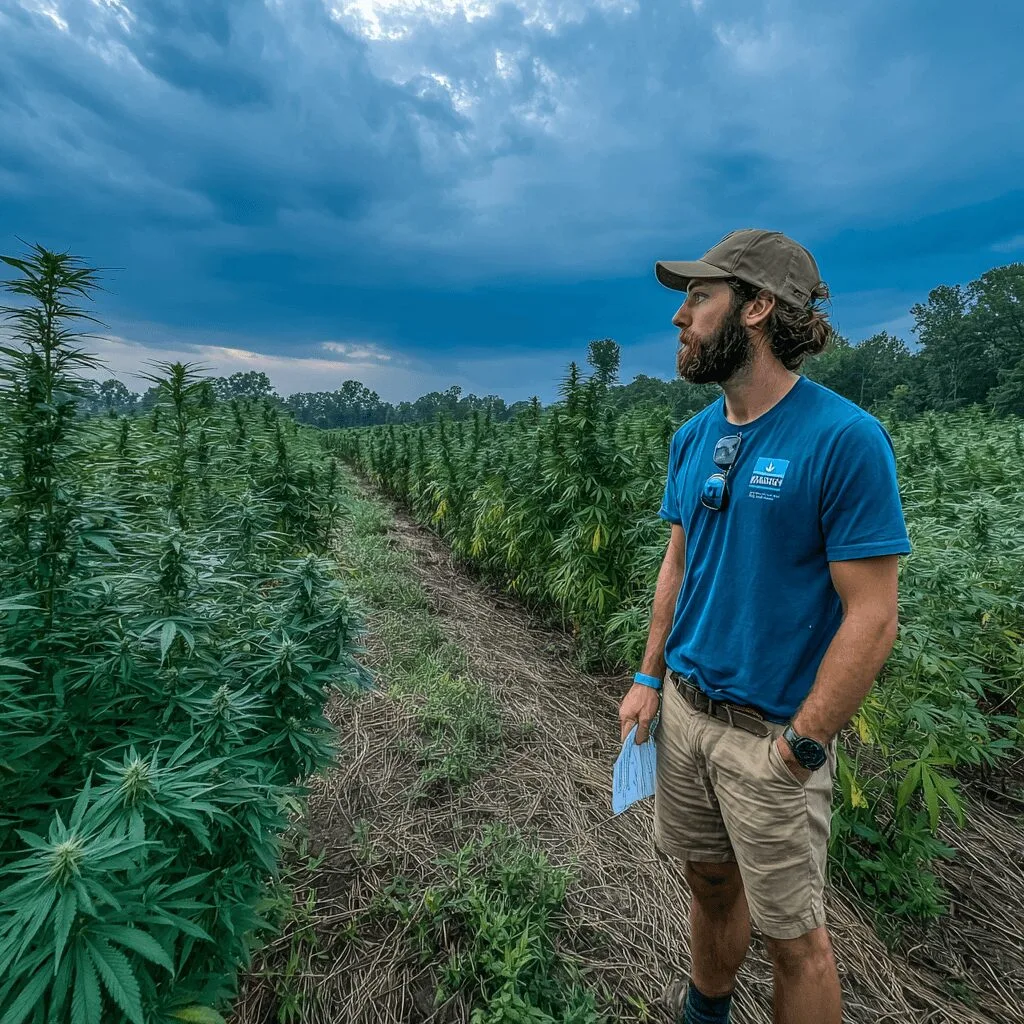
The spark for this current Georgia hemp industry threat started with the USDA proposing stricter rules for hemp testing and interstate commerce. According to 13WMAZ’s recent report, farmers across the Peach State are voicing anxiety as federal agencies threaten to clamp down on hemp-derived THC products, including delta-8 and similar compounds. Hemp business owners like Jason Sapp, who operates a certified Georgia hemp farm, are staring down possible regulatory hurdles that might disrupt or end operations. And get this, new testing procedures could require farmers to destroy entire crops if THC creeps even slightly above legal limits (currently 0.3% THC by dry weight, set by the USDA). Meanwhile, lawsuits have popped up as businesses challenge enforcement powers. This year, federal agencies also floated guidance that would restrict sales channels for certain hemp products, sparking a state-level scramble for clarity—in courtrooms, boardrooms, and family farms from Macon to Augusta. The Georgia Department of Agriculture, meanwhile, says it’s monitoring the situation but is bound by whatever the feds eventually codify. In a related vein, disruptions like federal bans have led to uncertainty for businesses and customers in other states as well, as seen when CBD shop closures created anxiety after a federal ban. Altogether, these moves put a very real Georgia hemp industry threat front and center for every business and worker in this sector.
Expert Analysis & Pro-Cannabis Counterpoints
Let’s keep it honest, friends. The Georgia hemp industry threat highlights just how much this space still fights for legitimacy and stability. Veteran growers say the inconsistency between state and federal policies is a constant headache, forcing them to gamble every season. According to MJBizDaily, sudden regulatory pivots risk wiping out small and medium-sized operations, the heart and soul of the community. But there’s a silver lining. Legal experts point out that each crisis raises industry standards and encourages tighter organization. In the words of renowned cannabis attorney Rod Kight, “Regulatory storms are tough, but every wave shapes a stronger shoreline. The industry is learning how to document compliance, use third-party labs, and lobby effectively for clearer, fairer rules.” Some advocates argue the intense spotlight on delta-8 shows that hemp is maturing fast, not fading out—even as lawmakers work out kinks in regulation. Plus, demand for safe, lab-tested cannabinoid products keeps rising, doubling down on the need for trustworthy, local growers. In nearby regions, the debate continues as controversies tied to THC concentrates and enforcement raise questions about criminal justice and the cannabis business, such as the recent arrests over THC wax possession that have sparked a broader discussion.
The Road Ahead: Adaptation and Hope for Georgia’s Hemp Sector
No one doubts the Georgia hemp industry threat is real. Still, the industry has weathered storms before. As regulatory frameworks evolve, many believe smart advocacy and open dialogue will secure hemp’s place in Georgia’s agricultural landscape. According to data from Hemp Benchmarks, states that lean into transparent oversight and farmer support see continued growth. Farmers, processors, and advocates—never a boring day in their lives—are doubling down on education, compliance, and defending hemp as an economic powerhouse. With more communities warming up to cannabis and regulators slowly catching up, there’s every reason to expect the Georgia hemp industry will thrive again—if it keeps adapting and fighting for its future.
Originally reported by: 13wmaz.com
1 Comment
Pingback: Federal Hemp Restrictions: How They Could Empty Local Shelves