Marijuana Legalization Petition: Is a Rollback Coming?
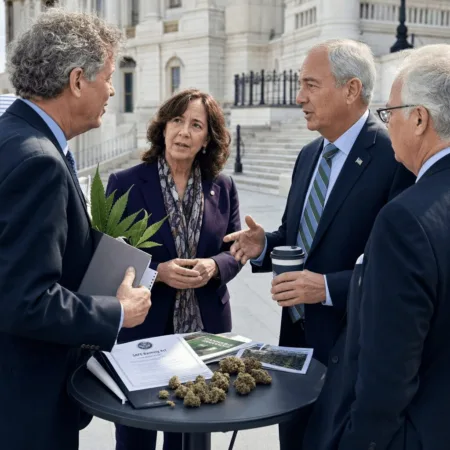
The marijuana legalization petition buzz is at an all-time high in communities watching state regulations evolve. Grassroots action is pressuring lawmakers and stirring debate. Recent pushes to reconsider legal access have left dispensary owners, advocates, and consumers wondering: could hard-won freedoms go up in smoke? This discussion matters as cannabis laws shift fast nationwide, impacting local economies and daily lives. Today, we’ll break down why the marijuana legalization petition movement is heating up, who’s leading the charge, and what’s at stake for everyone in the industry.
Understanding the Background: How Did We Get Here?
Cannabis reform is more than a trend, it’s a cultural wave gaining speed. Since states like Colorado and Washington pioneered adult-use legalization in 2012, over 20 states have embraced similar reforms (National Conference of State Legislatures). Legalization was driven by science-backed harm reduction, criminal justice reform, and the promise of new tax revenue. Yet not everyone is on board, as opposition remains strong in some communities, citing local nuisance concerns or youth access risks, as outlined by Pew Research Center. Towns like Franklin, Massachusetts, where our story unfolds, are ground zero for localized debates. Communities are using the marijuana legalization petition process to challenge or reinforce the evolving cannabis status quo. These conversations mirror what has happened in neighboring communities, where local concerns about cannabis have increasingly intersected with debates over other municipal rules and changes—see how local topics like chickens and cannabis have sparked debate in Mansfield. Regulatory frameworks vary dramatically by locality, with municipal leaders holding significant sway over licensing, zoning, and retail operations.
Key Developments: Franklin’s Marijuana Legalization Petition and Its Ripple Effects
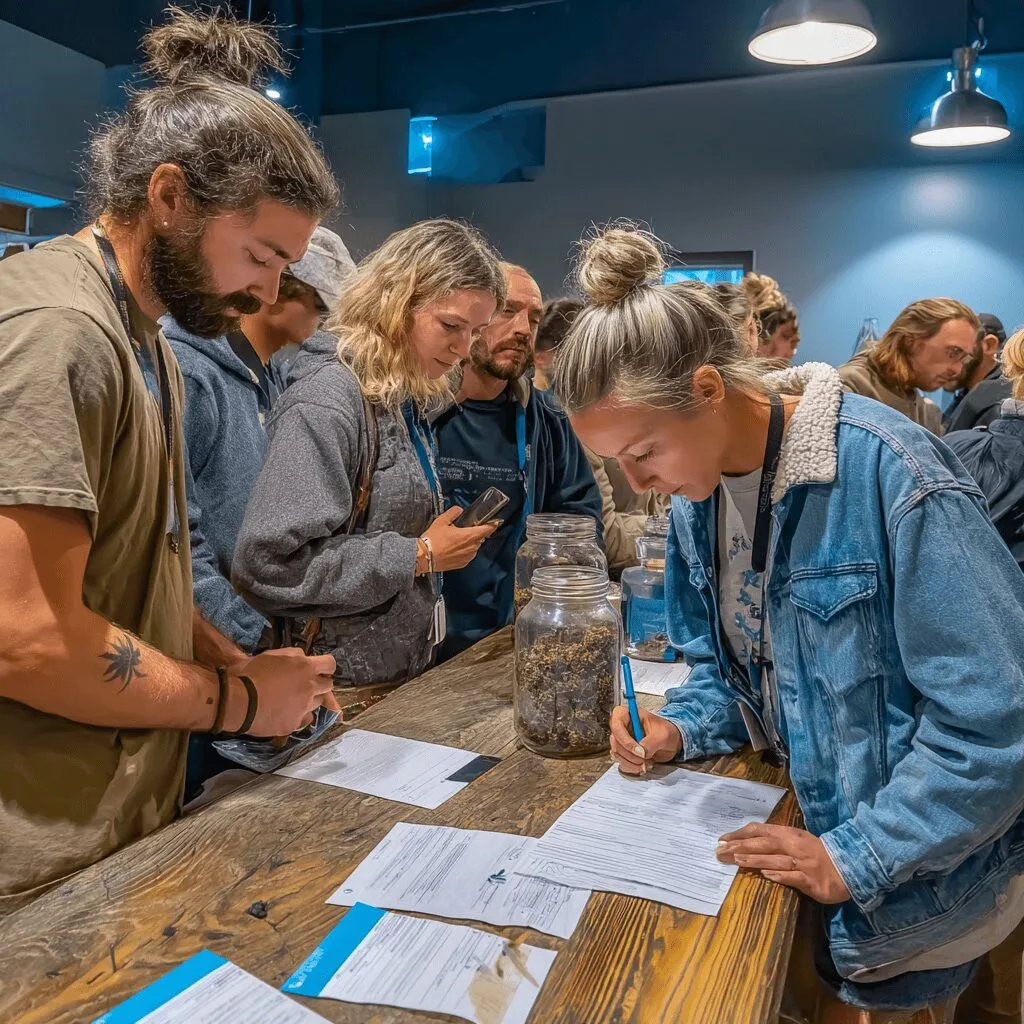
Franklin, MA, is experiencing a new phase in its cannabis story. Residents have launched a marijuana legalization petition aimed at rolling back the town’s permissive cannabis rules (Franklin Observer). Petition supporters are seeking to reduce the number of dispensaries allowed in Franklin, reversing previous votes that set a higher retail cap. According to local reporting from April 2024, organizers point to heightened concerns over community character, over-saturation, and confusion around enforcement. Under Massachusetts law, towns can set limits via ballot initiatives, even after dispensaries open their doors if enough public support materializes (Mass.gov). Similar uncertainty has impacted how owners are navigating changes in other cannabis markets, where regulatory shifts have a direct effect on small businesses and their ability to plan, as detailed in this special look at the THC provision business impact. This is exactly the dynamic playing out as Franklin’s Board faces growing scrutiny while businesses and patients contend with policy whiplash. No rollbacks are official yet, but the marijuana legalization petition’s momentum is causing anxiety for local entrepreneurs and customers seeking predictability. Stakeholders are watching the next Board meetings and possible ballot scheduling closely.
Expert Analysis, Insights, and Pro-Cannabis Counterpoints
What does this all mean for the real cannabis economy and community life? First, the marijuana legalization petition movement shows local democracy is alive, and nothing in cannabis is ever static. From a regulatory perspective, such petitions test and refine how states balance public safety with access and business certainty. But there’s a credible case against knee-jerk rollbacks. When cities like Franklin flirt with reversal, they risk undermining legal markets and opening the door for unregulated actors, as MJBizDaily notes in its coverage on disrupted legalization. Leading expert Dr. Amanda Reiman commented, ‘Every time access is restricted after legalization, illicit markets adapt, and that’s rarely what the community wants in the end.’ At the same time, local debates often echo those seen when environmental or business concerns impact cannabis retail areas—such as how local community debates were stirred by retail environmental concerns elsewhere in other towns. The industry is also quick to remind us that tax dollars, employment, and safer products decline if access is choked off. Balanced policy, not prohibition or wild expansion, is vital. Industry voices, like those at Leafly, stress how regulated legalization supports well-informed adult choices, brings new research, and shrinks the shadow market. Constructive dialogue, rather than reactionary politics, needs to guide these debates as the marijuana legalization petition continues to shape real lives.
Where Do We Grow From Here? Looking Forward in Cannabis Legalization
Despite local shakeups like Franklin’s, the broader outlook for cannabis remains green. Major policy think tanks—including those at Brookings Institution—see public support for cannabis at historic highs, with over 60% of Americans favoring legalization. The marijuana legalization petition in Franklin isn’t just a local squabble—it’s a sign of how engaged, passionate communities can steer state laws. Whether or not the rollback sticks, this process pressures leaders to find fair, data-driven policies that work for all. As new voices and fresh ideas surface through petitions, legal debates, and public forums, the industry is evolving—stronger, smarter, and more inclusive. The future is bright for those who believe cannabis should stay safe, legal, and accessible for generations to come.
Originally reported by: franklinobserver.town.news