



Gas Station Weed Ban: What Happens Next for Cannabis Lovers?
The gas station weed ban is making headlines right now, and for good reason. As stores and cannabis lovers adjust to shifting laws, some trusted places to grab convenient cannabis products—like gas stations and corner stores—are suddenly off-limits. From regulatory crackdowns to changing consumer access, this ban touches more than just the late-night snack run. With regulators clamping down and new laws hitting the headlines, everyone from casual tokers to serious medical patients is watching closely. Here’s how this gas station weed ban shakes up everyday cannabis access, industry growth, and what it all means for the culture at large.
Changing Cannabis Laws: The Road to the Gas Station Weed Ban
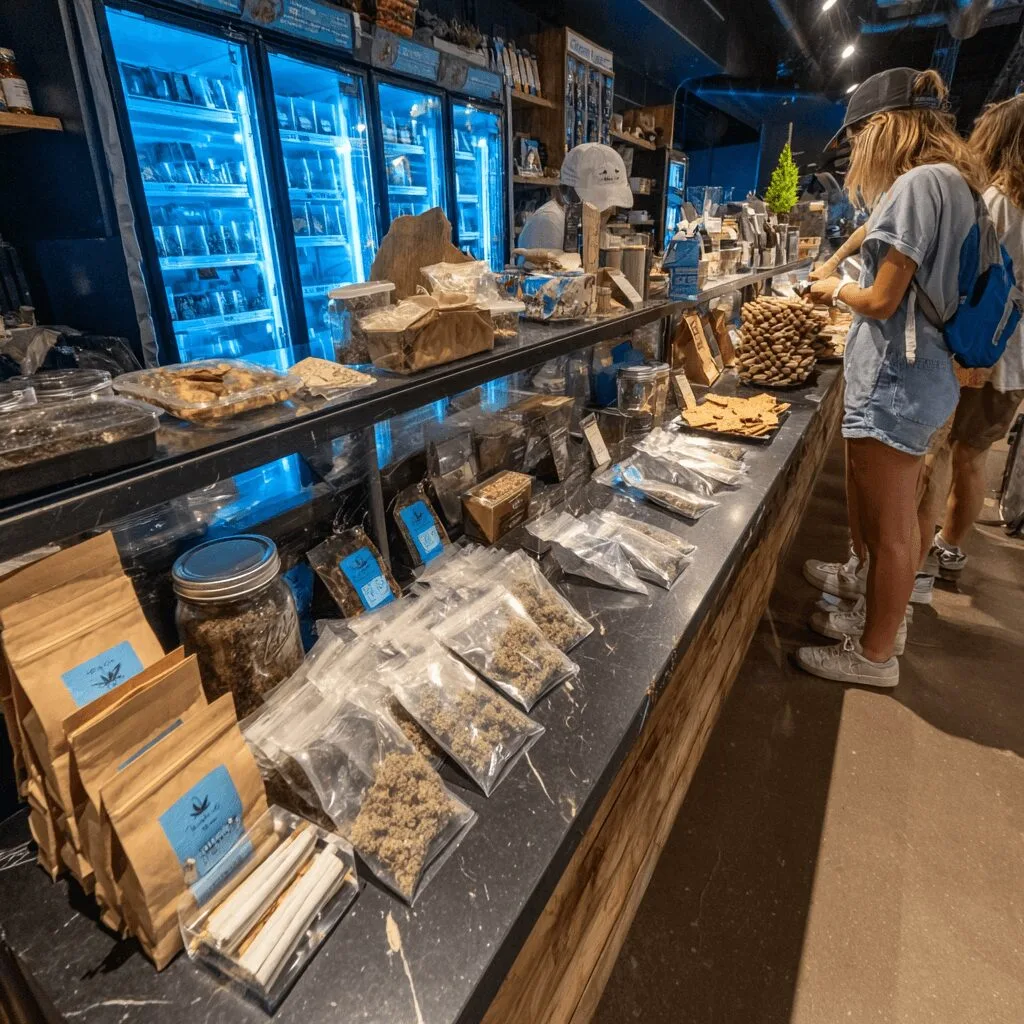
Cannabis legality in the U.S. continues to grow more complicated and dynamic. While legalization progresses in states like New York and Illinois, each new law introduces fresh gray areas. The emergence of hemp-derived cannabinoids—such as delta-8 and THCA—has introduced even greater unpredictability. Thanks to the 2018 Farm Bill (Congress.gov – Farm Bill), hemp products with under 0.3% delta-9 THC exploited legal loopholes, quickly appearing in convenience stores and gas stations across the country. This situation enabled store owners to sell cannabinoids without the oversight required for traditional dispensaries, drastically increasing accessibility, sometimes to the concern of parents and community leaders. As sales of vapes and edibles soared in these venues, officials raised serious questions about oversight and accidental youth consumption, as highlighted by a New York Times report. The growth of unregulated retail options posed new risks, especially for urban areas already grappling with the consequences of increased marijuana legalization, which you can see reflected in many aspects of our streetscape (Urban Reality: Marijuana Legalization Consequences).
Key Developments: From Delta-8 Crackdowns to Immediate Retail Impact
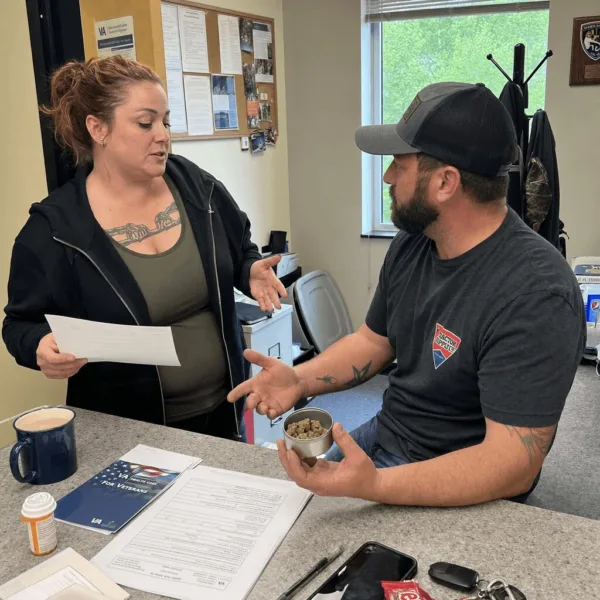
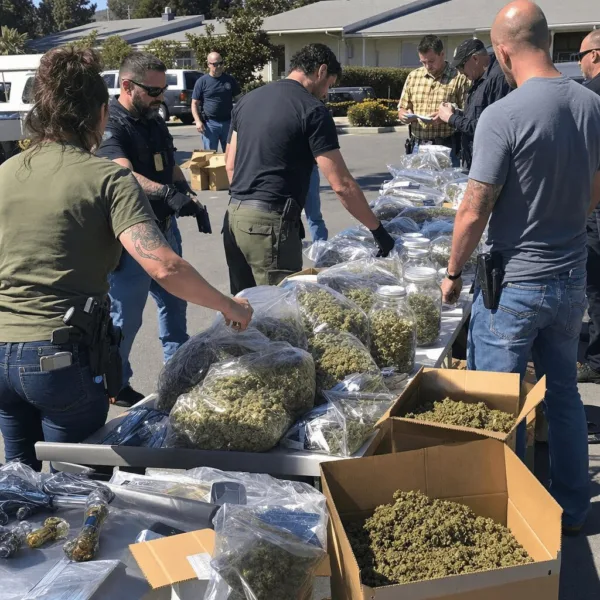
The gas station weed ban didn’t develop in isolation. Early 2024 saw several state regulators—particularly in Texas, Florida, and Georgia—issue cease-and-desist orders against hemp-derived products being sold in non-licensed retail locations (Texas Tribune). Major brands like Circle K and 7-Eleven began removing delta-8 THC and related products after legal warnings multiplied. A surge in accidental youth use and ambiguous sources of these products prompted action from lawmakers, with states such as Illinois and New York focusing new enforcement measures against unlicensed sales in late 2023 (Rolling Stone). Large-scale enforcement activities peaked in February, resulting in swift compliance actions. Local gas station owners reported dramatic revenue drops, while some pointed out the ban’s negative effects on independent businesses—particularly those that have relied on community support to survive industry volatility (How Community Cannabis Support Empowers Local Shops). As momentum builds for legislative reforms in the wake of the gas station weed ban, the nationwide debate continues to intensify, with calls for policy solutions that balance safety and access.
Industry Insight: What the Gas Station Weed Ban Means (and Doesn’t Mean)
The gas station weed ban brings both improvements and challenges for consumers and business owners. Enhanced safety, clearer product labeling, and more consistent standards are notable victories—but for many in areas without licensed dispensaries, losing access to these products is a genuine setback. Cannabis policy expert Morgan Fox of the National Cannabis Industry Association put it clearly in a recent interview (NCIA Profile): “Regulators need to focus on consumer safety without shutting adults out of the market or driving them to illicit sellers.” As discussed on Marijuana Moment, increased restrictions tend to drive more people toward gray-market or unregulated sales rather than reducing the risks. For many parents worried about accidental poisoning among teenagers, especially in large cities, there’s heightened concern about how well regulation protects youth (Teen Cannabis Poisoning). Still, some see the gas station weed ban as a catalyst for positive change, hoping that clearer, unified frameworks will emerge to serve both safety and access across diverse communities, instead of fragmented laws that change every few weeks.
The Road Ahead: Resilient, Evolving, and Always Green
The gas station weed ban might feel like a gut punch to anyone who picked up joints with their energy drink, but the story’s nowhere near finished. If anything, this moment highlights cannabis’s persistence and mainstream appeal. The industry is already adapting—state lawmakers, patient advocates, and responsible businesses are pushing harder for smart, practical reform. According to Leafly, momentum for federal oversight is stronger than ever. With big players, grassroots groups, and millions of everyday users in the mix, the future of cannabis access is bright. The bottom line? No single ban will hold back an industry backed by years of advocacy, medical progress, and fresh entrepreneurial energy. The gas station weed ban is just another sign: this plant is too important—and too popular—to be sidelined for long.
Originally reported by: rollingstone.com

1 Comment
Pingback: Melbourne peregrine falcon flight: Watch nature’s rooftop drama