



THC beverage regulations impact: What manufacturers must know
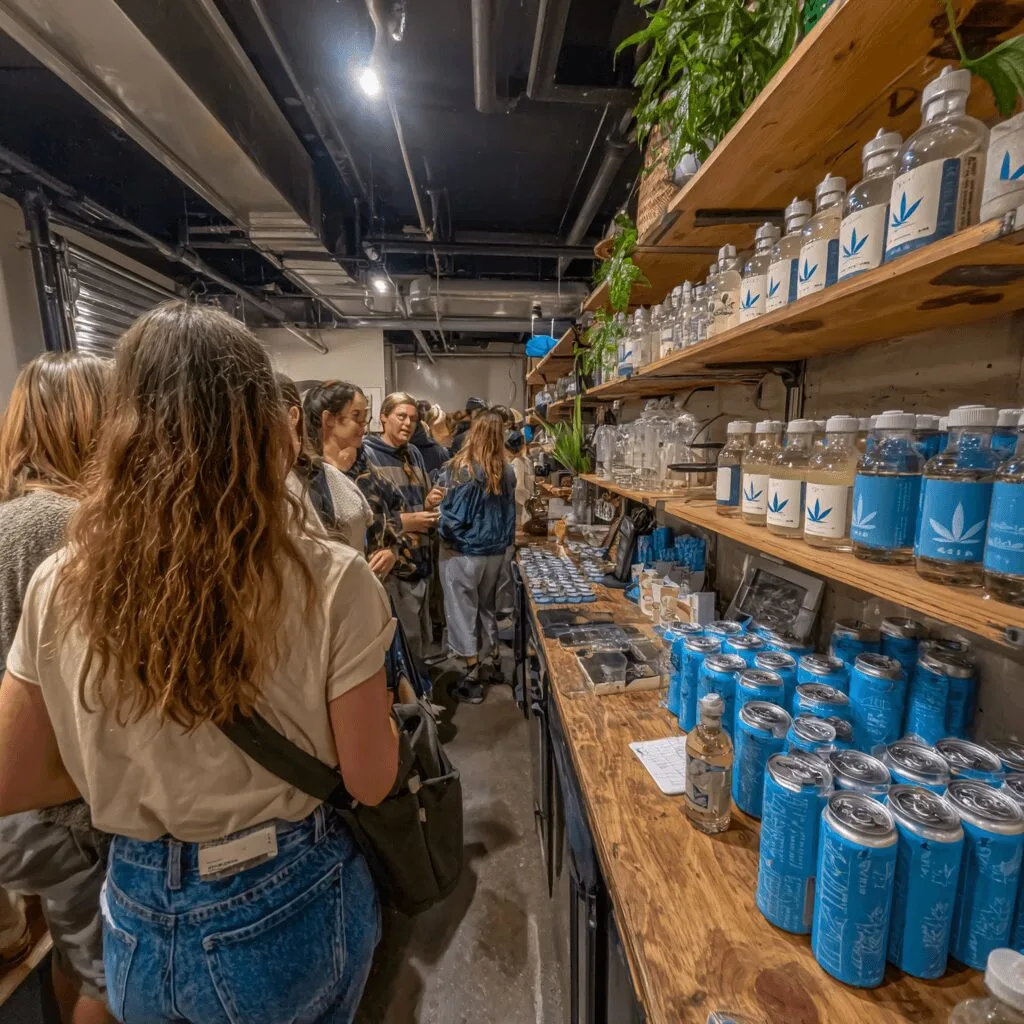
Things are shifting fast in the cannabis world, and nowhere is that more obvious than in the drinks aisle. The THC beverage regulations impact is front and center in recent headlines, thanks to new state rules shaking up how these infused products land on shelves. With legislative attention laser-focused on the edible and beverage scene, manufacturers are scrambling to stay ahead. In this article, I’ll break down what’s going on, why it matters for anyone in the cannabis beverage business, and how these rules might shape the future for both small batch brewers and thirsty consumers. Stick around—whether you’re a seasoned grower or just a fan of creative canna-quenchers, you’ll want to know how these changing tides affect every part of the THC drink ecosystem.
THC Beverages: Background on Regulation & Market Pressures
Let’s be real, the legal status of cannabis beverages has always been a complex blend of opportunity and red tape. Since legalized cannabis emerged, lawmakers, health authorities, and entrepreneurs have struggled to define how these products should be governed. The big debate centers on their unique format—a sippable, shelf-ready drink delivering a controlled THC dose. According to NORML, state-level THC beverage controls form a patchwork of potency caps, packaging standards, and distribution policies. What works in Oregon might get rejected in New York or Maine. With growing demand from adults seeking alcohol alternatives, the market is now valued above $400 million annually, per Benzinga. Meanwhile, public health officials express concern about underage interest and confusion over dosage. Reports from Leafly point out that the regulatory landscape is tightening as states try to keep pace with new ways of consuming cannabis. For a deeper dive into how this patchwork of rules is affecting companies, recent coverage explores how business owners are adapting, showing that the impact of THC beverage regulations is resonating across the entire industry, especially in states like Maine.
Maine in the Spotlight: Key Developments & Issues
In recent news, Maine regulators are weighing new guidelines directly impacting the manufacturing, sale, and labeling of cannabis beverages. As detailed in a report by WMTW News 8, state officials hope to fix gaps that previously let producers avoid some safety and packaging rules. These changes follow policy debates around THC beverage edibles getting into the hands of consumers who may not realize their effects. Similarly, recent policy trends in other states have shown that local producers are keeping a close eye on enforcement challenges, as different approaches to regulating THC content can shape business operations drastically. At the latest Augusta hearing, well-known Maine Craft Cannabis Collective and others shared concerns, warning that stricter child-resistant bottle requirements, dosage labeling, and new beverage distributor licensing could increase costs and threaten small businesses. With state decisions expected next quarter, producers are scrambling to adjust their products in time, echoing themes of regulatory pressure described in WMTW’s latest investigation.
Expert Analysis & Counterpoints: Balancing Safety, Growth, and Access
It’s important to note that regulatory crackdowns don’t always spell disaster for small businesses—though they certainly create challenges. As reported by Marijuana Moment, there’s a nationwide trend toward stricter rules for THC beverages, but context matters. Leafly analyst David Downs explains: “The biggest challenge isn’t the cannabis itself, it’s helping the public understand how to consume these new products responsibly, just like they would a beer or glass of wine.” Their analysis shows that recent accident data points to low misuse rates when labeling and retail are tightly regulated. In states such as Colorado, smart guidelines and age checks support industry growth and consumer safety, something local regulators have highlighted as a best practice. Looking at other states wrestling with similar issues, like Georgia, demonstrates how regulatory updates can create both hurdles and opportunities for business owners. According to Marijuana Business Daily, clear policy is ultimately guiding the market toward best practices—where consumer trust and brand growth go hand in hand with regulation.
Future Outlook: Evolution, Adaptation, and the Promise of THC Drinks
Will these new regulations chill the creative spark in the cannabis beverage industry? Unlikely. If history is any indicator, passionate makers and advocates always find ways to adapt and thrive. The THC beverage regulations impact will push everyone—manufacturers, regulators, and consumers—to set a higher bar for safety and product quality. As social attitudes around cannabis keep shifting in a positive direction, expect more harmonized rules and a better experience for everyone. According to a 2023 New Frontier Data market report, THC beverages are projected to nearly double sales by 2027, reflecting not just rising demand, but a resilient, rapidly innovating sector. At the end of the day, responsible enjoyment and regulatory clarity go hand in hand—raising a cold can to the future of cannabis drinks everywhere.
Originally reported by: wmtw.com


1 Comment
Pingback: Minnesota marijuana expungement: Clear Your Record Fast