





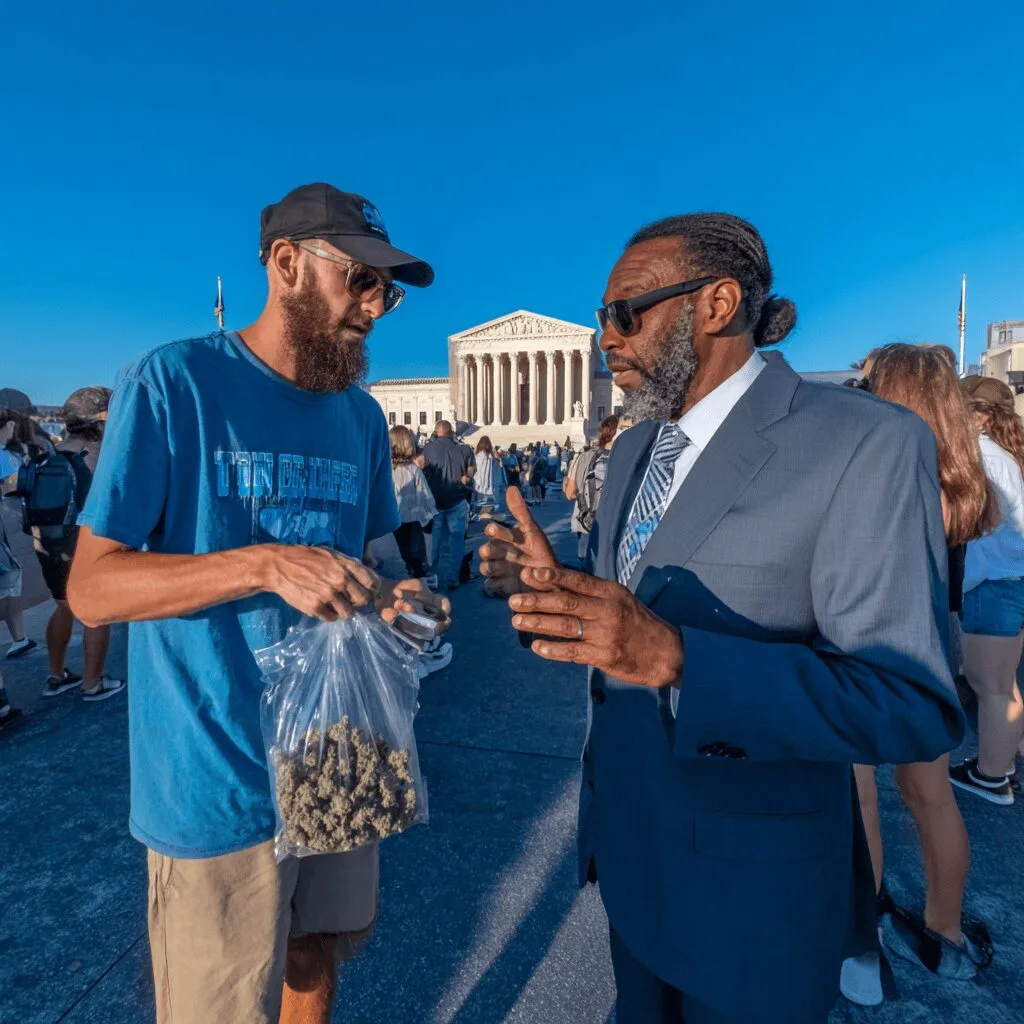
Federal Cannabis Prosecution: Trump DOJ’s Bold Crackdown
Right now, the topic of federal cannabis prosecution is heating up headlines—and not just in back-alley chats or online forums. With a fresh directive from the Trump Department of Justice, questions are flaring up fast about the future of cannabis possession, criminal justice reform, and state versus federal power. Major changes in enforcement policies are drawing national attention, and anyone in the cannabis business or advocacy movement needs to stay sharp. From shifting political winds to evolving social norms, understanding how federal cannabis prosecution impacts real lives is key. Let’s blaze through what’s going down and what it really means for the industry, consumers, and advocates alike.
The Regulatory Maze: Cannabis Laws and Federal Power
When it comes to cannabis laws, America is straight-up complicated. Many states have given the green light for medical or adult-use cannabis, building booming markets and spreading good vibes for legalization nationwide. Yet, at the federal level, cannabis is still considered a Schedule I controlled substance under the Controlled Substances Act, according to the U.S. Drug Enforcement Administration. This contradiction creates a regulatory gray area, so what’s totally legal in one state can land you in hot water with the feds. In states such as Massachusetts, changes to cannabis possession limits are also creating local challenges for consumers and regulators, reflecting the latest updates on marijuana possession rules around the country.
The friction between state liberties and federal control has sparked debate for decades. Every time a new administration walks into the White House, the rules and priorities shift. For a while, federal cannabis prosecution seemed to cool off, especially under the so-called “Cole Memo,” a government memo that suggested a hands-off approach for states with robust regulations, as the Justice Department outlined, but federal priorities are always subject to sudden policy pivots, sometimes overnight.
Core Developments: Trump DOJ’s Hard Line and Recent Crackdowns
According to a recent report in Cannabis Business Times, the Trump Justice Department amped up direction for federal prosecutors to enforce even small-scale cannabis possession crimes. This edict came directly from then-Attorney General Jeff Sessions, who officially rescinded the Obama-era guidance that protected state-legal operators from federal interference. The message was clear: no more federal chill if the law’s being broken, regardless of changing state legislation.
The new push affects everyone, from casual consumers to licensed businesses, with possible increased surveillance and prosecution risks. While federal charges over simple possession were rare under previous guidance, Sessions’ memo specifically instructed U.S. attorneys to prioritize prosecution at their own discretion, blending political, social, and legal consequences. This sudden return to an aggressive federal cannabis prosecution stance has shaken advocacy groups, investors, and state lawmakers alike. Recent actions present uncertainty, with ripple effects similar to those that occurred following policy shifts impacting Michigan’s cannabis dispensaries.
Analysis and Expert Perspectives: What’s at Stake for Industry and Consumers?
The message from D.C. is foggy, but the impact is clear, federal cannabis prosecution is back on the table, at least for now. So what does this mean for an industry that’s gone full-throttle on expansion? According to Marijuana Business Daily, markets in states like Colorado and California have seen record growth, even in the face of federal sabre-rattling. Still, business leaders are rattled by the prospect of asset seizures and indictments, so uncertainty is the new normal, and similar concerns are being voiced across other states, as shown by recent shutdowns in the Nebraska hemp industry.
Cannabis legal experts warn of chilling effects. Local entrepreneurs worry about losing everything overnight, while advocates point out that federal cannabis prosecution falls hardest on marginalized communities. Social equity programs risk being undermined, too, as described in Brookings Institution analyses.
Industry pioneer Steve DeAngelo famously summed up the stakes: “America’s cannabis future isn’t just about profit, it’s about people and fairness. We can’t move backward.” (Leafly interview). States will keep pushing for local control and equity, but the risk of renewed federal cannabis prosecution looms overhead.
Where’s the Industry Headed? Looking Forward Amid Uncertainty
Despite tough talk from the DOJ, the cannabis industry keeps rolling. Market analysts at New Frontier Data project continued growth in both medical and recreational sectors, driven by soaring consumer demand and increasing state buy-in. Social acceptance is climbing, too—recent Gallup polls show record-high support for legalization nationwide, putting pressure on federal officials to rethink priorities.
As more states disregard federal sabres and craft modern, equity-driven policies, the landscape is slowly tilting toward reform and fairness. The path may not be simple, but hope is sticky. Until federal cannabis prosecution policies catch up to the modern marketplace, advocates and industry insiders will keep pushing for reform, resilience, and—yes—a little more common sense. One thing’s clear: even a tough crackdown won’t put out the spark for lasting change.
Originally reported by: cannabisbusinesstimes.com
1 Comment
Pingback: Federal Marijuana Prosecution: What’s Next in National Parks?