






Massachusetts marijuana possession limits: What’s changing now?
If you live in, visit, or just closely watch Bay State cannabis, you’re about to see Massachusetts marijuana possession limits take center stage. Recent shifts in state regulations are rewriting what’s legal—on the street, at home, and even for medical patients. The buzz is already spreading through dispensaries, advocacy groups, and the halls of government. Whether you’re a business owner, longtime patient, or just curious about evolving cannabis law, understanding these changes is essential right now. Let’s break down what’s new, why it matters, and what it means for your day-to-day life in Massachusetts.
Background: The Evolving Landscape of Massachusetts Marijuana Possession Limits
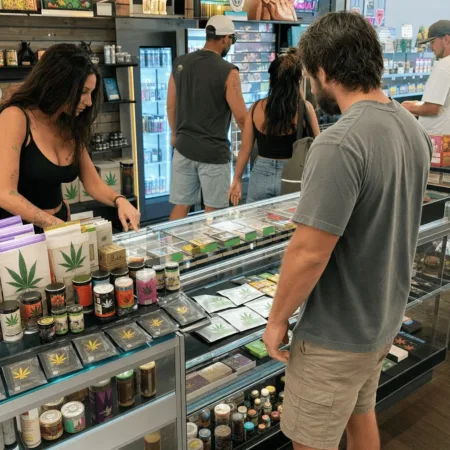
Since Massachusetts voters approved recreational legalization in 2016, cannabis regulation has evolved rapidly, pushed by changing social attitudes and real-world challenges. At present, adults 21+ can legally possess up to one ounce of cannabis in public and up to ten ounces at home, as outlined by the Massachusetts Cannabis Control Commission. But these Massachusetts marijuana possession limits are more than just numbers, they shape enforcement, equity, business, and safe access. Lawmakers frequently debate what’s fair, what’s safe, and how to reflect new data about use and harm reduction. Meanwhile, Massachusetts’ cannabis market has become a heavyweight, generating billions annually, demonstrating clear demand according to MJBizDaily. The system’s still young, but it’s constantly responding to calls for greater clarity and flexibility. Social equity, public health, and access for responsible adults are recurring themes, each influencing how Massachusetts marijuana possession limits are defined and enforced. The ongoing expansion of dispensaries across the Northeast shows how regional retail growth, such as Rochester’s new adult-use cannabis locations, is influencing both local and statewide perceptions of access and regulation (see Rochester dispensary launch).
Key Developments: What’s Changing With Massachusetts Marijuana Possession Limits?
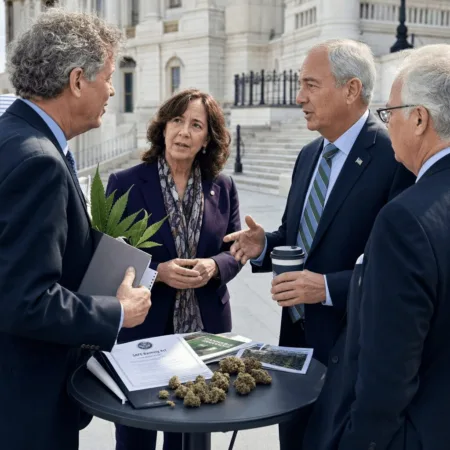
Across Massachusetts, recent proposals at the State House are directly targeting changes to Massachusetts marijuana possession limits. On November 13, 2025, lawmakers introduced new bills seeking to modernize possession rules. According to reliable reporting from the Worcester Telegram & Gazette, one proposal aims to increase the legal carry limit for adults from one to 1.5 ounces in public and boost the at-home stash limit beyond the current ten ounces. The push comes as advocates highlight that Massachusetts marijuana possession limits haven’t kept pace with decriminalization goals or personal freedoms. Key supporters, like Rep. Chynah Tyler (D-Boston), argue that modest increases align policy with social realities. Meanwhile, state police and the Cannabis Control Commission are reviewing public safety data and preparing impact reports. Retail industry leaders have signaled cautious optimism, focusing on harmonizing state law with consumer habits and needs. The new legislation is expected to spark heated debate early in the next legislative session, with public hearings already scheduled. Notably, Massachusetts medical marijuana advocates also point out how current limits can complicate safe access for patients who require larger quantities. Any update to Massachusetts marijuana possession limits will affect not only recreational users, but also everyday business operations and local law enforcement priorities. Recent regulatory debates in other states, such as concerns over impaired driving and how cannabis-related laws evolve to match everyday realities, offer useful context for the ongoing discussion in Massachusetts (see recent changes to THC driving limits).
Expert Analysis & Insights: Why Changes to Massachusetts Marijuana Possession Limits Matter
So, why are these changes stirring up so much conversation? For cannabis insiders, Massachusetts marijuana possession limits directly impact social justice, business growth, and responsible consumption. In the cannabis industry, limits determine how accessible legal weed truly is. For decades, arbitrary caps penalized regular adults who just wanted to enjoy their plant at home. Today, reforms are about aligning the law with lived experience, safety data, and consumer demand. Cannabis attorney and reform advocate Shaleen Title, quoted in Filter Magazine, sums it up: “Possession limits should not trip up responsible adults or compromise patient rights, they should reflect science, fairness, and real-world behavior.” Increasing the cap could reduce unnecessary police encounters and limit punitive outcomes for nonviolent possession. These changes put Massachusetts ahead in national cannabis reform. Other states, like Oregon and California, have already raised public and private possession limits and seen minimal negative effects. Expanding Massachusetts marijuana possession limits also bolsters the regulated market, making it harder for the illicit market to lure everyday users by offering bulk buys. At the same time, legitimate businesses benefit from clarity and fewer compliance headaches. This is a win for regulated commerce and consumer safety. Still, some resident groups express worries about normalization and risk for youth exposure. State officials are responding by promising robust public health campaigns and vigilant oversight, learning from trends seen in neighboring markets—according to The Boston Globe. Across the broader cannabis industry, recent tax reform movements show how regulatory changes can impact both businesses and consumers, emphasizing the importance of adjusting possession limits and other rules in response to industry needs (see cannabis tax policy shifts).
Looking Ahead: The Future of Massachusetts Marijuana Possession Limits
As Massachusetts marijuana possession limits evolve, the Bay State stands at the forefront of the nation’s cannabis policy discussion. Lawmakers, advocates, and industry insiders broadly agree that thoughtful reform is possible—one that protects public health, advances social equity, and fuels smart economic growth. With clear dialogue, evidence-based policy, and real community input, Massachusetts could set a new standard for how American cannabis is regulated and respected. As Massachusetts marijuana possession limits adapt, expect ongoing experimentation, lots of local input, and—let’s be honest—a little bit of Massachusetts stubbornness. But that’s how real change happens. For now, stay tuned and stay informed: the conversation is just getting started, and your voice still counts. For continuing coverage and key updates on legal limits, check resources like the MassLive Marijuana section, which closely tracks policy and market moves across the Bay State.
Originally reported by: telegram.com
1 Comment
Pingback: Federal Cannabis Prosecution: Trump DOJ’s Bold Crackdown