


Texas THC business shutdown: What Every Operator Needs to Know
It’s a turbulent time in Texas as the “Texas THC business shutdown” comes crashing into the local cannabis community. Last week’s sudden regulatory moves hit small businesses hard, shaking entrepreneurs and loyal customers across the state. So, why is this happening now? With the hemp-derived THC market booming and lawmakers scrambling, even veteran operators are asking what’s next. Let’s break down what these changes mean for Texas—because for thousands, it’s about jobs, freedom, and the future of legal cannabis.
The Regulatory Wild West: What Sparked the Texas THC Business Shutdown?
The Lone Star State has always had a complicated relationship with cannabis. Over recent years, state lawmakers allowed limited CBD and hemp-derived THC products, which led to a thriving gray-market industry (Texas Tribune). Entrepreneurs jumped in, opening shops and selling popular THC gummies, tinctures, and vapes. But Texas lawmakers never truly settled on clear, lasting guidelines. Many counties enforce vastly different rules. As Marijuana Moment has reported, the Texas Department of State Health Services (DSHS) waffled on what’s legal, especially concerning Delta-8 THC. Every regulatory session, new bills pop up, making life a constant guessing game for business owners. For a deeper look at how national regulations shape local markets, see how national hemp THC ban effects are shaping Texas’ cannabis future. It’s these shifting sands and legal gray areas that paved the way for the latest wave of abrupt shutdowns. According to industry experts, uncertainty is the rule, not the exception, in Texas cannabis.
Surprise Raids and Tough New Bills: The Shutdown Hits Home
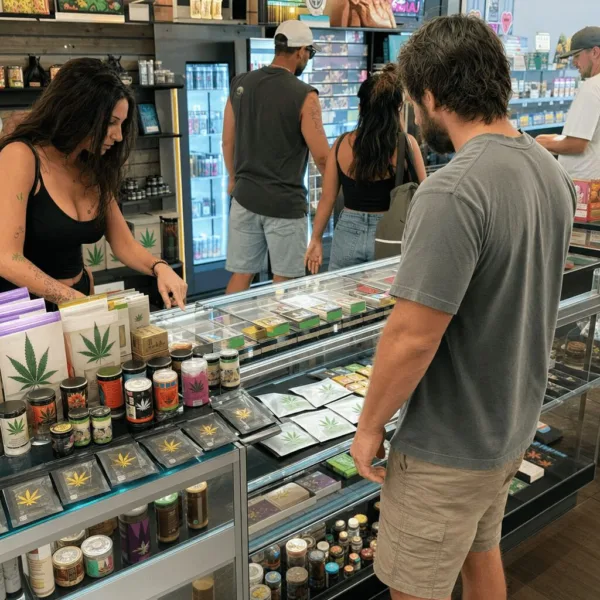
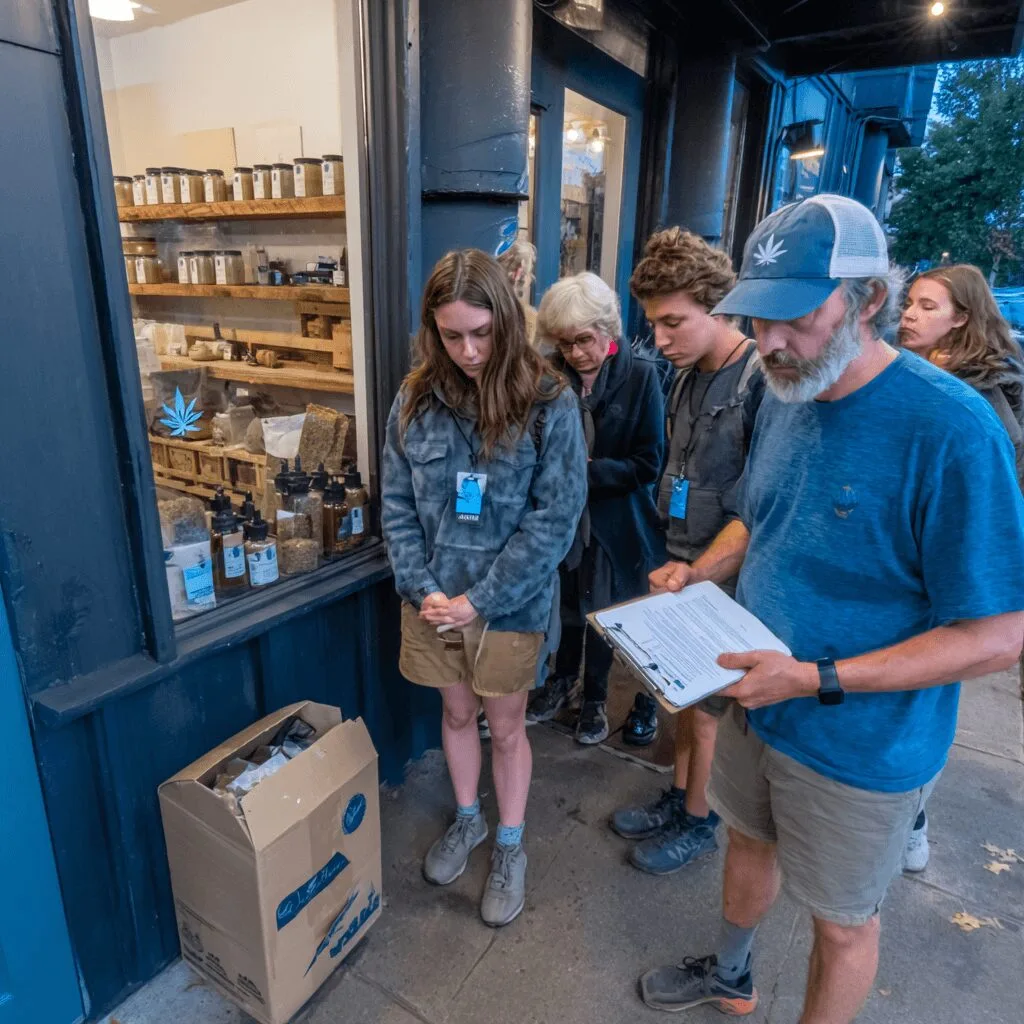
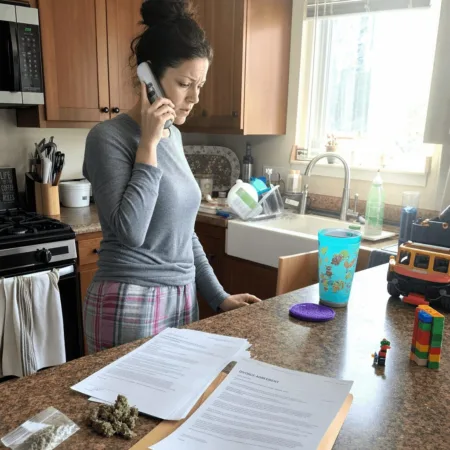
The most recent developments, as reported by KSAT News, have stunned the community. On November 13, 2025, the Texas legislature advanced a bill to effectively shutter many THC-focused stores. The new law impacts hundreds of local dispensaries, smoke shops, and even wellness centers selling Delta-8 or Delta-9 products, regardless of whether they’re hemp-derived. Owners, like the Reynosa family in San Antonio, found agents at the door, orders in hand, and businesses closed instantly. Families and employees alike were blindsided. “This is our livelihood,” one operator told KSAT, describing how their dream, just like their neighbors’, was seized overnight. The shutdown also includes new criminal penalties for noncompliance and directs law enforcement to increase inspections. The ripple effects extend beyond just product shelves, it’s about jobs, medical access, and Texas’ reputation in the national cannabis conversation. For a perspective on how surprise legislative changes echo across the industry, recent shake-ups from sudden hemp THC votes have sparked similar concerns. According to Texas Monthly, this isn’t the first time lawmakers have cracked down without much warning, but now, the scale is larger and the impact deeper.
Industry Reactions: Deep Impacts, Tough Questions, and Pathways Forward
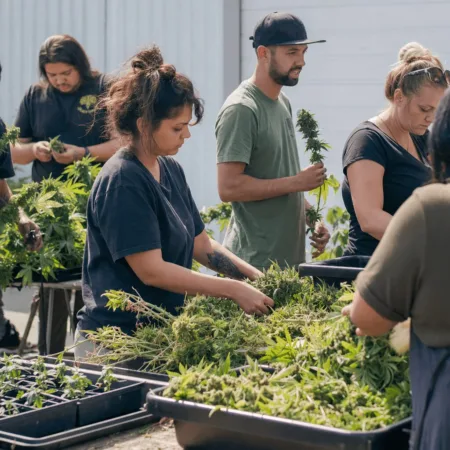
Cannabis industry leaders see the Texas THC business shutdown as both a crisis and a call to action. Local advocacy groups point to data from MJBizDaily that shows Texas hemp and THC businesses contribute millions to the state economy and support nearly 5,000 local jobs. The ban’s abruptness signals, as one expert put it: “Texas doesn’t have a THC problem, it has a policy problem,” argues Eric Steenstra, president of Vote Hemp. “We need clear, consistent guidelines, not surprise shutdowns. Otherwise, small operators and their communities keep paying the price.” Others say the move creates more confusion, forcing consumers back to the illicit market and putting even medical patients at risk. For example, medical access reforms in states like New York provide another model that Texas advocates hope to learn from. According to a recent analysis in Filter Magazine, lack of regulatory stability means sliding backward, not protecting the public. Yet some policymakers counter that the crackdown was necessary for product safety, citing outbreaks of unregulated products sickening teens. The debate continues, but for now, business owners are in limbo, fearing that what was legal yesterday could be criminal tomorrow.
Hope on the Horizon: What’s Next for Texas—And Why It Matters
Texas’ THC business shutdown is a pivotal moment. But the story isn’t over. National trends suggest public pressure works—other states have responded to similar crises with smart regulation instead of blanket bans. According to NORML, more Texans support reform now than ever before. Operators are organizing, lawmakers are hearing new voices, and the market’s momentum is undeniable. There’s real hope that, if Texas leaders listen, more balanced policies will return. The demand for safe, legal cannabis isn’t going anywhere. As long as the community stands together, the Lone Star State remains a bellwether for cannabis culture, innovation, and—eventually—sensible law. For now, those affected by the Texas THC business shutdown are proof of the industry’s resilience and the ongoing fight for fair access in America’s heartland.
Originally reported by: ksat.com

1 Comment
Pingback: Trump hemp THC recriminalization: What’s Behind the Drastic Move?