

THC seltzer limits: CEO Battles State Pushback
The buzz around infused beverages is reaching new heights—especially as more consumers opt for seltzers with a kick. As the THC seltzer trend grows, so does public debate about sensible regulation. Right now, THC seltzer limits are at the forefront of industry news, shaping product availability and influencing legal frameworks nationally. The stakes are high, with CEOs, lawmakers, and cannabis enthusiasts all chiming in. This article breaks down what’s changing, who’s fighting for clarity, and why these decisions will shape the next wave of cannabis innovation.
How Did THC Seltzer Limits Become a National Issue?
It’s no secret that cannabis beverages, especially THC seltzers, are booming. According to BDSA market analysis, sales of cannabis-infused drinks grew 40% last year across legal states. But whenever an industry rockets forward, regulators scramble to catch up and new federal moves—like efforts to regulate or ban hemp-derived THC nationwide—have ripple effects even in Texas and other emerging markets. If you’re interested in seeing how these bans shape policies in growing regions, explore how recent hemp THC bans are impacting Texas’s cannabis future. States are now grappling with questions of proper THC seltzer limits, drawing lines on dosing, age access, and labeling. These limits come amid a patchwork of legalization efforts, making compliance a headache. The drive for safety, rooted in concerns from public health groups and law enforcement, is matched by calls from business leaders to let adults decide their own dosage. According to NORML, recent legislative sessions in Connecticut and Minnesota spotlighted the tension, with lawmakers calling for clear guidance while the industry urges flexibility to innovate. As the market matures, THC seltzer limits have become a proxy for the broader debate over balancing consumer freedom and responsible regulation.
The Showdown: Derby Cannabis CEO Challenges State THC Seltzer Limits
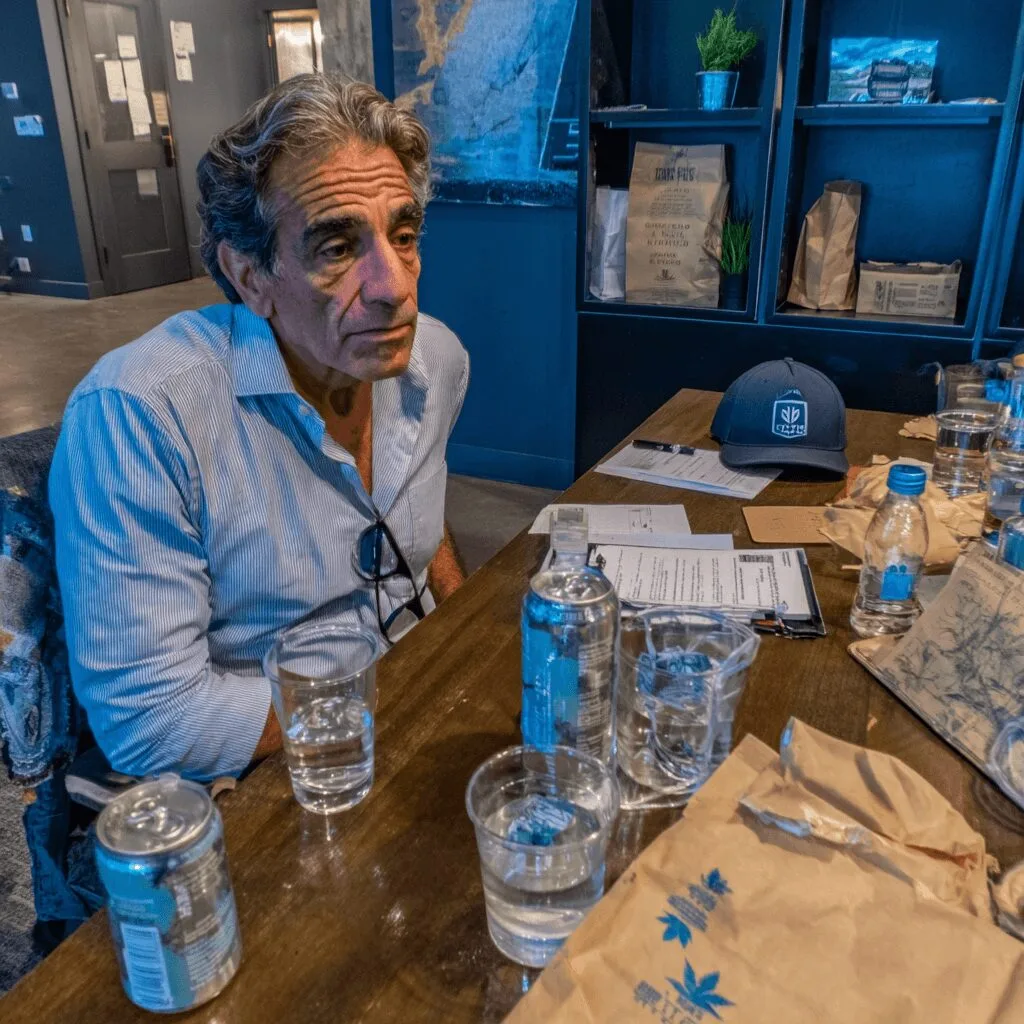
All eyes recently turned to Connecticut, where a Derby-based cannabis CEO is pushing for an increase in THC seltzer limits. The company, a local leader in the beverages segment, submitted a formal request in early 2024 to state regulators, arguing that current dosage caps, set at 5 milligrams per can, are stifling growth and limiting consumer choice. According to a WTNH News report, the request was met with resistance from both health officials and lawmakers. State documents reveal concerns about potential overconsumption, youth access, and cross-state trafficking if THC seltzer limits rise. Recent heated debates over hemp-derived THC rules in neighboring states, like those seen in South Carolina’s legislature, underscore the national attention on this issue—read more on how other states are handling similar disputes. In late May, hearings featured passionate testimony from both sides: business leaders presented market research showing consumer preference for higher-THC options, while opponents cited CDC warnings about adverse events tied to high-dose edibles. The dispute is ongoing, with future rulemaking sessions scheduled to finalize the fate of THC seltzer limits in the state. Meanwhile, neighboring New York and Massachusetts are watching closely, given similar legislative reviews pending this year.
Expert Analysis: Decoding THC Seltzer Limits and Their Impact
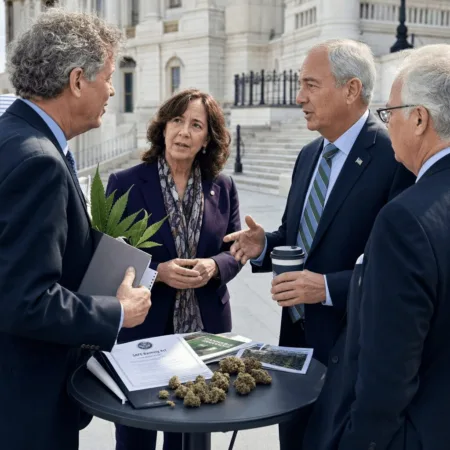
So what does this all mean for the cannabis community? Industry analysts view Connecticut’s battle as the tip of the iceberg. THC seltzer limits are emerging as a flashpoint because they shape how quickly infused drinks can carve a niche in both recreational and wellness markets, mirroring concerns raised nationally as Congress moves to criminalize certain THC drinks—sparking passionate debate around fairness and regulation. For more on how Congress’s crackdown is debated, see why the potential criminalization of these beverages has spurred controversy. Higher limits could accelerate innovation, normalize adult-use products, and help legacy brands differentiate in a crowded space. But, of course, there’s another side to the coin, responsible dosing remains a must. As cannabis policy expert Geoff Lawrence noted in MJBizDaily: “We absolutely want products that satisfy demand, but those products need transparency, smart packaging, and clear education so consumers know exactly what they’re getting.” Many industry voices agree that applying lessons from edible regulations, like portion control, child-resistant packaging, and mandatory consumer warnings, can let higher-THC beverages flourish responsibly. Across the board, the consensus is growing: market-driven solutions and robust education will yield better results than arbitrary caps.
The Road Ahead: Finding Balance in THC Seltzer Limits
No matter where you stand, one thing is clear: THC seltzer limits are shaping the national beverage conversation. The story out of Connecticut highlights the friction (and promise) of cannabis-market evolution. For consumers, the future looks bright as public acceptance and responsible use continue to climb. Regulators are listening—slowly but surely—to industry experts and advocates who urge nuanced, flexible policy. According to research from New Frontier Data, states that blend safety with innovation see the most sustainable growth in the cannabis beverage sector. Ultimately, THC seltzer limits will define how companies compete, how users enjoy, and how lawmakers learn. As we ride out this wave, expect more collaboration, smarter rules, and fizzy new hits with just the right dose for everyone.
Originally reported by: wtnh.com