


Cannabis Youth Psychiatric Emergencies: The Alarming Rise
Let’s be real—cannabis is no longer lurking in the shadows. It’s gone mainstream, with regulations loosening across the US and especially in states like Massachusetts. But with cultural waves often come unintended side effects. Lately, concerns about cannabis youth psychiatric emergencies have started lighting up headlines, sparking fresh debates among advocates, parents, and policymakers alike. Now more than ever, it’s crucial we break down what’s really happening, why these emergencies are reportedly rising, and what it means for the future of cannabis in society. In this article, we’ll dive in with unflinching honesty, industry smarts, and that signature chill perspective you can only get from folks deeply embedded in the cannabis space.
Understanding the Legal, Social, and Regulatory Landscape Around Cannabis
Legal cannabis has been a wild ride, especially since Massachusetts legalized adult-use cannabis sales back in 2018 (Massachusetts Cannabis Control Commission). The wave isn’t limited to the Bay State, as more places across the nation are welcoming regulated cannabis markets, providing adults with legal access, and sparking a multi-billion dollar industry.
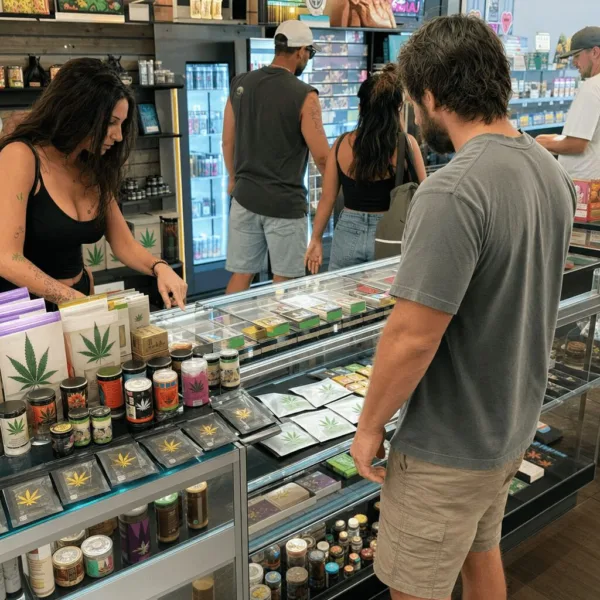
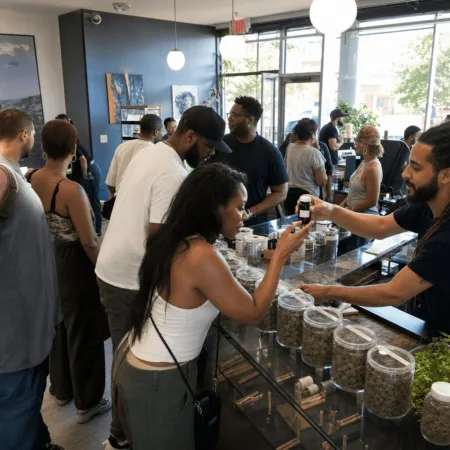
However, the rise of cannabis youth psychiatric emergencies has fueled concerns among public health leaders, educators, and parents. While the black market is shrinking, regulated dispensaries have made the scene more visible, sometimes making access seem easier to budding teens despite age restrictions. Culturally, cannabis is less stigmatized and appears in music, media, and even family discussions. This changing perception can power progress, but it also raises complex questions about youth protection and fostering responsible use. For a clearer understanding of recent patterns and real-world impact, consider the alarming connections highlighted in this detailed analysis on cannabis and youth psychiatric emergencies. According to a National Institute on Drug Abuse report, shifting norms mean that what was once taboo might now seem like just another option at the corner store. This shift makes discussions about risks—especially psychiatric emergencies among youth—timely and vital.
Breaking Down the Numbers: What Recent Developments Reveal
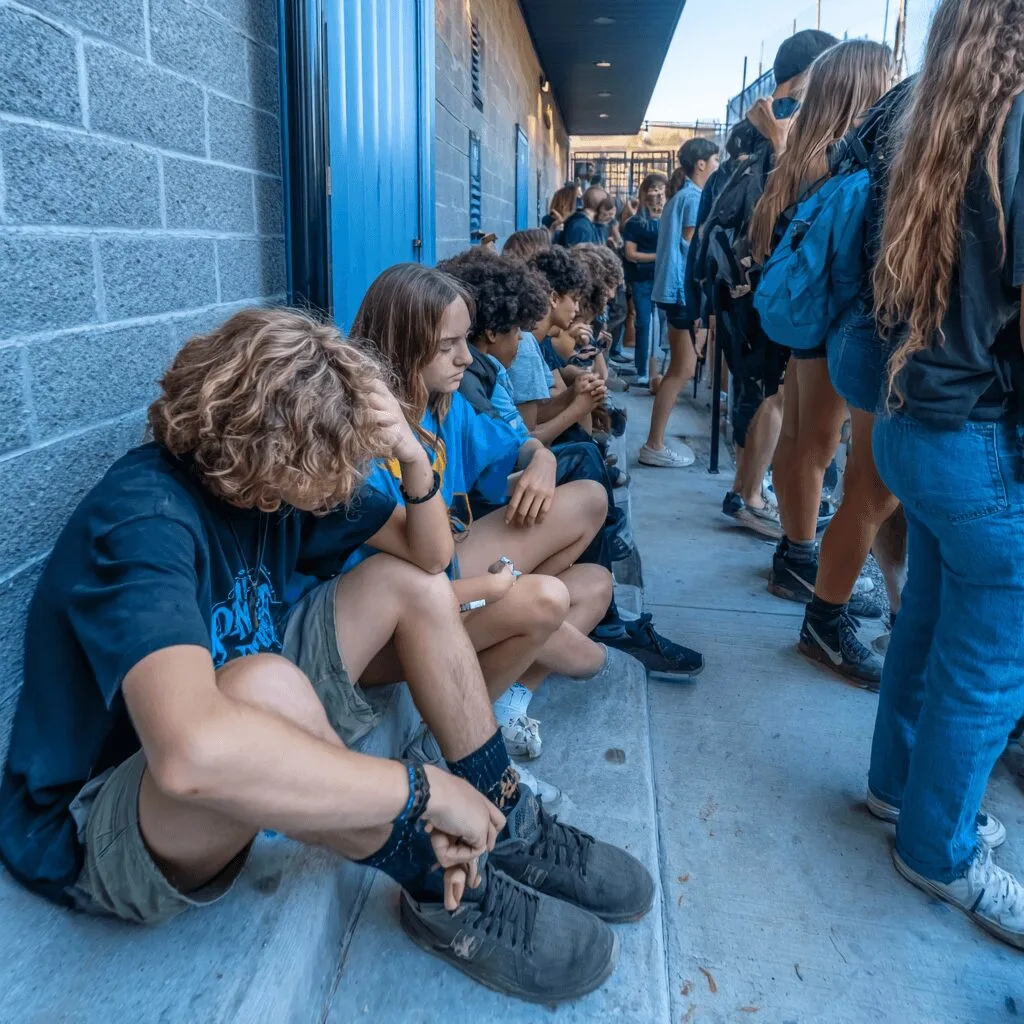
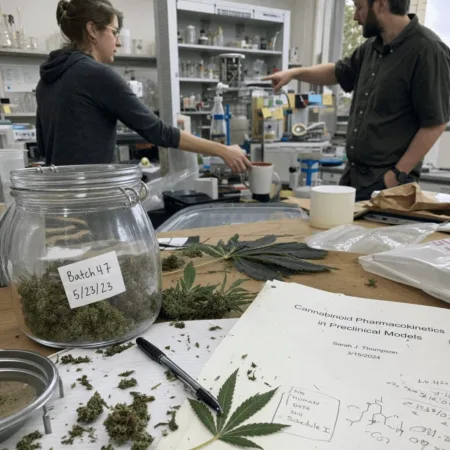
A recent study, highlighted by WCVB Boston and conducted by Boston Children’s Hospital researchers, found a noteworthy uptick in cannabis youth psychiatric emergencies since legal sales began in Massachusetts. Reviewing hospital data from 2012 to 2020—including two years before legal medical use and two years post-adult-use legalization—the study spotlighted a statistically significant jump in psychiatric ER visits among youth, correlating with periods following expanded cannabis access.
For example, during the first two years after legalization, the share of cannabis-related psychiatric emergencies among teens rose by double digits. Researchers made clear the spike isn’t proof of causality, but it still set off alarms across state health agencies. The underlying events have prompted educators, pediatricians, and advocacy groups to call for greater awareness, more targeted prevention efforts, and better education for both youth and the adults in their lives. These findings mirror those in other states that legalized cannabis as well. If you are interested in how new laws affect the broader market, this look at New Jersey’s recent cannabis law changes provides additional context on regulatory impacts. State officials, including those with the Massachusetts Department of Public Health, have stated their intent to review labeling, advertising, and compliance strategies to make sure youth are not inadvertently caught in the crossfire.
Expert Takes: Context Matters in Understanding Cannabis Youth Psychiatric Emergencies
Now, here’s where things need nuance. The fact is, cannabis youth psychiatric emergencies are absolutely concerning, but the full story is broader than any headline. Dr. Ziva Cooper, Director of the UCLA Cannabis Research Initiative (UCLA Health), notes, “Correlation doesn’t mean causation. Many factors, from mental health trends to social stress and even pandemic effects, converge in ways that can muddy the waters.” She emphasizes the importance of context, rigorous research, and public education.
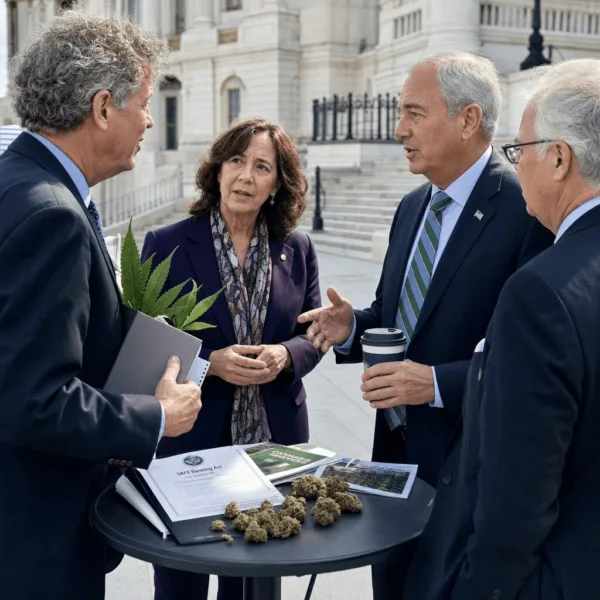
Industry experts believe that rising youth psychiatric emergencies may also reflect better reporting, increased parental vigilance, or destigmatization of mental health crises as much as actual use patterns. The cannabis industry, for its part, has embraced tighter controls, mandatory age verification, tamper-proof packaging, and robust public health campaigns to prevent underage exposure. You can also explore how recent congressional moves affect hemp and cannabis policy and what it means for consumer protection in this insightful recap of Delta 8 THC policy updates. The Cannabis Business Times reports that most licensed dispensaries in Massachusetts use “secret shopper” programs and surveillance to enforce age checks, which experts consider a necessary evolution as the market matures.
Not every cannabis product is alike. Potency, ingestion method, and source (legal vs. unregulated) all impact mental health differently. Thoughtful regulation, transparency, and honest conversations play a significant role in reducing harm.
Looking Ahead: Hopeful Steps for a Responsible, Evolving Industry
If there’s one thing the cannabis movement knows, it’s resilience. As we navigate the realities of cannabis youth psychiatric emergencies, there’s real progress to celebrate, too. No responsible advocate wants to see youth harmed or in crisis. Instead, we want education, harm reduction, and data-driven policy on the frontlines.
The Massachusetts experience isn’t isolated—it’s a case study for states nationwide. Regulators are refining rules, industries are strengthening compliance measures, and advocacy groups are launching honest, real-talk campaigns about youth, brain health, and responsible cannabis culture. According to NORML, increased openness fosters less stigma, more research, and safer outcomes for everyone.
Cannabis isn’t going anywhere—it’s being woven deeper into the fabric of American life. If we keep the conversation real, back it up with facts, and hold both industry and community accountable, we’re on track for a healthier, more inclusive future. And that’s a high we can all feel good about.
Originally reported by: wcvb.com

1 Comment
Pingback: SC hemp-derived THC rules: Lawmakers’ Hot Debate Revealed