THC edibles regulation South Carolina: What You Need to Know
The wave of THC edibles regulation South Carolina is rolling in and capturing attention at every bodega, smoke shop, and legislative office across the Palmetto State. With rising sales, shifting laws, and consumer safety at stake, South Carolina lawmakers are stepping up efforts to address the fast-evolving THC edibles market. Whether you’re a longtime supporter of cannabis reform or just curious about those new green gummies on your store shelf, understanding this regulatory push is crucial right now. Let’s break down what’s driving this movement and why THC edibles regulation South Carolina is the center of so many conversations.
The Road to THC Edibles Regulation: Legal and Social Backdrop
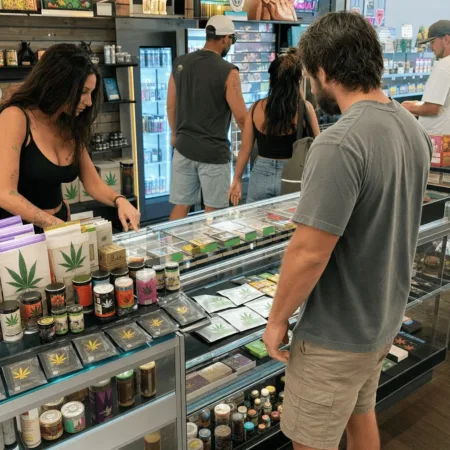
South Carolina has always played it cool, but cautious, when it comes to cannabis. While the state maintains strict laws against recreational marijuana, loopholes opened the door for hemp-derived THC products under the Federal Farm Bill of 2018, according to Marijuana Policy Project. This created a gold rush of Delta-8, Delta-9, and other hemp-derived edibles that skirted federal and local prohibitions. Amidst this shifting legal landscape, parallel events like hemp THC ban legislation debates in other states have made it clear how confusing things can get without unified rules. With no clear statewide standards, local municipalities fumbled enforcement, while stores quickly stocked up on psychoactive gummies and drinks waving “hemp-compliant” labels. As seen in other markets like Texas and Georgia, ambiguous laws have made it tough to draw the line between CBD-rich snacks or a party in a pouch. At the same time, consumer safety groups and medical leaders raised alarms about underage access, inconsistent dosing, and unclear lab testing standards, a chaotic landscape tempting enough to give anyone regulatory whiplash.
Core Developments in South Carolina’s THC Edibles Regulation
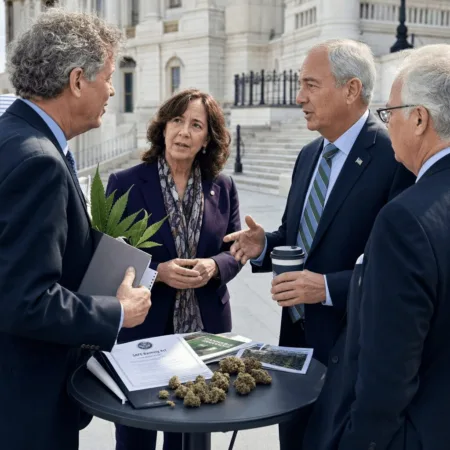
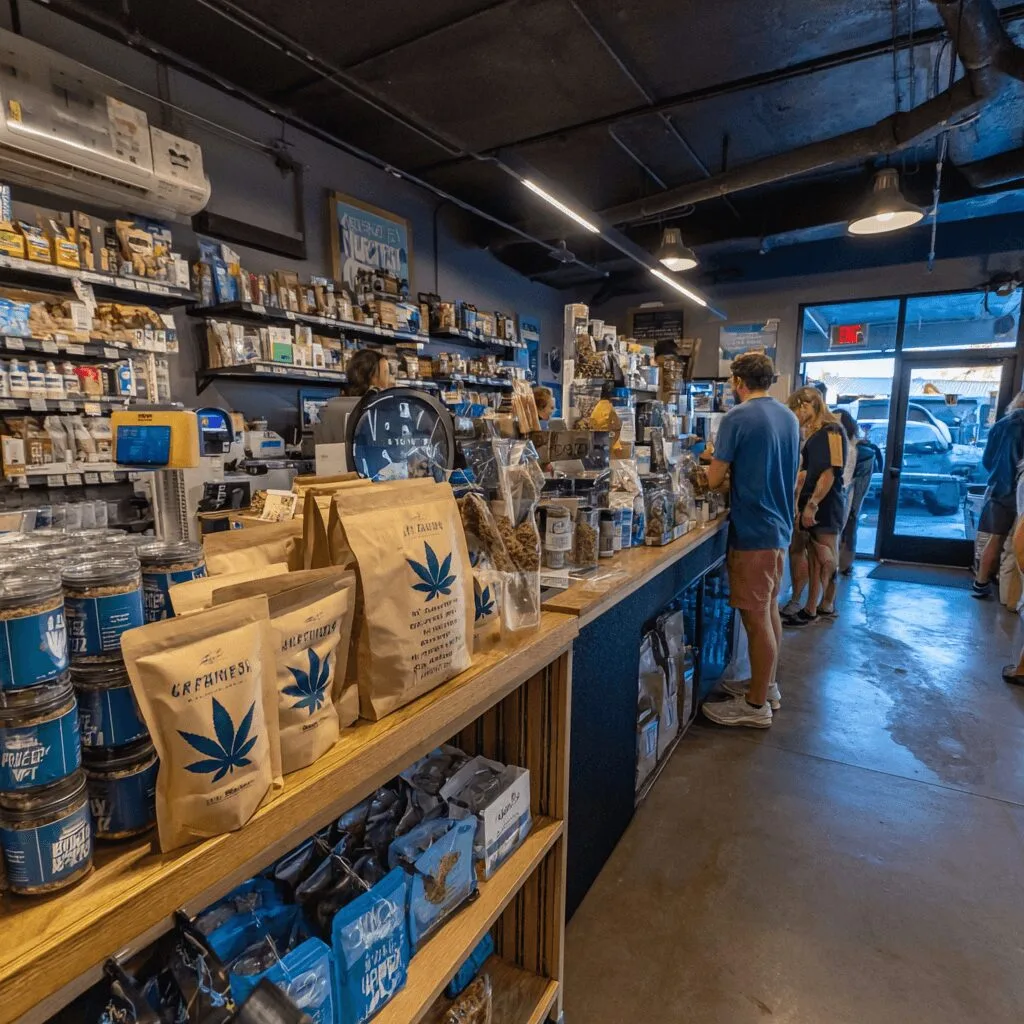
On November 11th, 2025, lawmakers in South Carolina introduced a fresh bill aiming to bring much-needed clarity to the THC-infused beverage and edibles market, as first reported by Live5News. Recent updates on cannabis policy nationwide, such as shifts documented in the latest Farm Bill affecting the hemp industry, provide valuable perspective on South Carolina’s current move. The bill calls for explicit requirements on labeling, rigorous third-party lab testing, and age restrictions for sales, drawing inspiration from regulatory blueprints in states like Illinois and Minnesota. This legislative push is being fueled in part by medical organizations, concerned parents, and an increasing number of health officials who point to spikes in unintentional THC overconsumption among minors. Key provisions in the bill include criminal penalties for selling to anyone under 21, mandatory QR code traceability, and outright bans on marketing with kid-friendly packaging. Local store owners, from chains like Spinx to mom-and-pop shops, are now watching closely as their “legal, but not really legal” inventory may face sweeping changes in the coming months. As of the latest hearing, the bill won broad bipartisan backing, with supporters arguing it would straighten out the confusing rules muddling retailers, protect public health, and finally give consumers honest information about what’s in their edibles.
Expert Analysis: Weighing Regulation and Real-World Impact
Let’s be blunt, South Carolina’s proposed rules mirror a national pattern. Whenever cannabis or hemp-derived THC hits the mainstream, lawmakers scramble to keep up with market innovation and consumer interest. Recent incidents, such as a student THC vaping event prompting new urgency for safety, demonstrate why responsible THC edibles regulation South Carolina is crucial. While some fear an end to “grey market” gummies, most industry experts and public safety advocates agree that clear rules help everyone. As Leafly’s policy editor David Downs notes: “Responsible regulation doesn’t kill the cannabis culture, it builds public trust and sets the stage for a sustainable, safe marketplace.” Looking at neighboring states, consistent laws have sparked both improved consumer confidence and increases in small business participation. South Carolina’s push for clear labeling, dosage caps, and child-resistant packaging echoes best practices already proven in California and Colorado (see NORML analysis of cannabis safety rules). Most importantly, tighter regulation channels tax revenue to the state, ensuring profits fuel schools and infrastructure rather than unregulated pockets. For South Carolina, the bill is more than a crackdown, it’s about keeping pace with modern expectations of transparency and accountability.
Looking Ahead: Why this Legislation Could Be a Win for Everyone
The coming months will tell whether THC edibles regulation South Carolina finds smooth passage through the legislative gauntlet. The odds are looking solid. With broad support spanning party lines, mounting evidence of consumer need, and a vibrant retail sector hungry for clarity, the state could soon become a leader in reasonable, responsible hemp-derived THC oversight. For advocates like myself, it’s about harmonizing progress with public safety, and making sure that adults have access to quality products while keeping them out of kids’ hands. As noted by Marijuana Moment’s analysis of state legislative trends, the nation is watching states like South Carolina to see just how flexible, creative, and consumer-friendly new frameworks can be. THC edibles regulation South Carolina represents a turning point—proof that you can modernize without losing the chill. Keep your eye on those green gummies—the vibe is shifting, and the future looks bright for sensible regulation, broader acceptance, and maybe even a little Southern hospitality at your next edible shop stop.
Originally reported by: live5news.com