




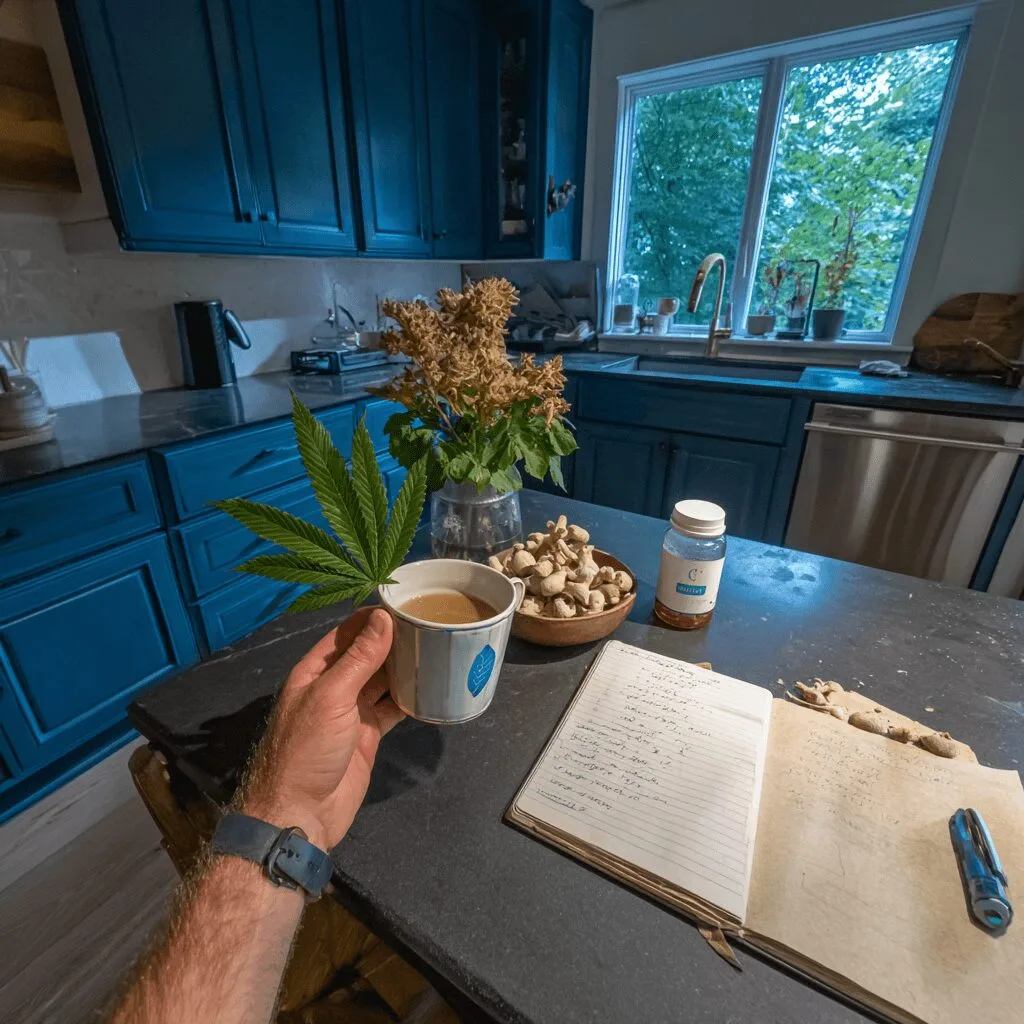
Psilocybin Chronic Pain: Breakthrough Relief or Hype?
The conversation around psilocybin chronic pain is heating up big time right now. Thanks to new research and shifting public opinion, old-school stigmas are fading fast. Pain patients and cannabis lovers alike are tuning into the chatter, debating whether psilocybin is the real-deal breakthrough for chronic pain—or just the latest hype. With promising clinical data, increased calls for law reform, and glowing testimonials rolling in, this topic is on everyone’s mind. Let’s break it down: what’s really going on, and what does it mean for anyone dealing with chronic pain in today’s evolving cannabis and psychedelics landscape?
Psilocybin Chronic Pain: Industry Background & Social Context
To understand why psilocybin chronic pain is blowing up, you’ve got to look at the bigger picture. Chronic pain remains one of the most prevalent, and most stubborn, medical issues worldwide, making up a huge slice of healthcare spending. Traditional treatments often leave people wanting more, driving desperate patients toward alternatives like cannabis and psychedelics. Over the past decade, federal cannabis reform flirted with progress in the US, and several states legalized recreational or medical use (NORML reports). If we look at how New York addressed cannabis legalization, we see a trend toward inclusive policy and debate, as detailed in roundtable discussions about New York’s approach. Now, regulatory bodies like Health Canada and local city councils in Oregon and Colorado are starting to allow, or at least decriminalize, clinical access to psilocybin for severe conditions when conventional approaches fail (World Health Organization). Social perceptions are also evolving fast; the “stoner” stigma is being eclipsed by a more nuanced appreciation of plant medicines, backed by shifting policy and growing cultural support. Recent court decisions are nudging the FDA and DEA to reconsider psilocybin’s legal status for therapeutic use (FDA Newsroom). The momentum is undeniable: “psilocybin chronic pain” isn’t just a search term, it’s a frontline in a larger health revolution.
Key Developments in Psilocybin Chronic Pain Research
The latest Nature Neuroscience review digs deep into the psilocybin chronic pain debate. Researchers from several top universities examined how psilocybin, the active compound in magic mushrooms, could rewire brain circuits involved in persistent pain. Compared to recent shifts in federal cannabis and hemp policies—which are having a direct impact on access and regulation as explored in 2024 Farm Bill updates—the article highlights clinical trials from 2022 and 2023, including small but mighty double-blind studies where chronic pain sufferers, many with conditions like fibromyalgia and neuropathic pain, reported rapid, sustained relief after guided psilocybin dosing. The review also notes early-stage efforts from biotech startups (think Compass Pathways, MindMed) aiming to bring standardized psilocybin treatments to the pain market (Compass Pathways). At the same time, government agencies, including the National Institutes of Health, have started funding exploratory psilocybin pain research as of 2023, marking a critical shift from fringe curiosity to serious scientific inquiry (NIH announcement). Legal barriers are dropping: Oregon’s psilocybin service program allows licensed facilitators to work with chronic pain patients under strict guidelines (Oregon Health Authority). Key takeaways from the latest data? Most participants experienced not just pain relief, but also reduced anxiety and improved quality of life—with minimal side effects reported in clinical settings. Still, researchers are clear: larger, longer trials are needed before mainstream adoption kicks in.
Expert Analysis & Cannabis Industry Insights
Let’s keep it real: the excitement over psilocybin chronic pain isn’t just hype. This is part of a bigger move toward holistic, plant-based wellness options. According to Dr. Ethan Russo, a leading neurologist and cannabis researcher, “We’re only beginning to grasp how compounds like psilocybin and cannabinoids can team up for pain relief, there’s huge synergy potential here,” (Project CBD). Recent trends in cannabis—like terpene-tailored products and full-spectrum extracts—show that patient demand is driving innovation. Legal and safety debates, such as community concerns following incidents at dispensaries, continue to shape the conversation as seen in recent Ohio community responses. Smart companies are watching the psilocybin space closely, preparing for eventual crossover therapeutics. Plus, chronic pain patients already lean on cannabis for daily relief; opening the door for psilocybin could supercharge their quality of life, especially if combined in supervised settings. Leading cannabis analysts, as cited in Forbes, stress that the intersection of cannabis and psilocybin is the “next frontier.” Still, they caution against silver-bullet thinking, and remind us that patients need evidence-based options, not just trends. As the science matures, careful collaboration between cannabis and psychedelics advocates will shape the market and keep standards high.
Future Outlook: Psilocybin Chronic Pain & the Cannabis Movement
The road ahead for psilocybin chronic pain research looks promising, even if there are speed bumps. As more studies are funded and legal pathways clear, expect partnerships between top cannabis and psychedelics companies to heat up. Mainstream medical groups are already calling for larger trials and better access to both cannabis and psilocybin for chronic pain sufferers (JAMA Health Forum). Public support keeps growing as high-profile pain patients and social media foster honest conversations and battle lingering stigma. Ultimately, the synergy of cannabis and mushroom medicine has the potential to revolutionize pain care. If policymakers act pragmatically and researchers keep up the momentum, people living with chronic pain could gain access to real relief, not just hope. The future looks brighter than ever for plant medicine champions.
Originally reported by: nature.com