

DEA marijuana research obstruction: What’s delaying vital cannabis science?
Sometimes it feels like the legal cannabis roller coaster only moves uphill. Right now, all eyes are on the ongoing DEA marijuana research obstruction—an issue driving researchers and advocates to frustration as public demand for answers around cannabis grows daily. This isn’t just policy-wonk nitpicking; it’s about science stalled at the starting line. Whether you’re tracking market trends, following legislative brawls, or just waiting for honest medical data, the reasons behind this DEA marijuana research obstruction deserve your attention. Let’s break down what’s really slowing research, why it matters, and where we go next.
Understanding the Roots: Regulatory Red Tape and the Cannabis Catch-22
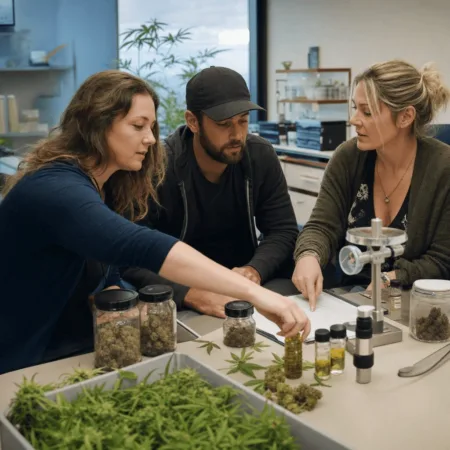
To appreciate the full story of DEA marijuana research obstruction, you need to understand the legal maze cannabis researchers face in the U.S. Despite the huge shift in public perception and many state-level legalizations, cannabis remains classified as a Schedule I drug under federal law. This means the DEA treats marijuana as having “no accepted medical use,” right alongside heroin, which reflects just how complex the legal environment truly is —and how local law enforcement decisions further complicate things for researchers and patients alike. Federal registration is required for anyone handling the plant for scientific study, regardless of their credentials or intentions. According to the U.S. Drug Enforcement Administration, this designation makes research permits notoriously difficult to acquire. In practice, researchers often wait years for approvals, and the plants they can study don’t reflect the actual products on legal dispensary shelves. As reported by Scientific American, scientists must use government-grown marijuana that doesn’t match today’s potent commercial strains, a mismatch that stymies meaningful findings. This regulatory tangle leads to the DEA marijuana research obstruction now facing so much criticism and scrutiny.
Recent Developments: Delays, Legal Fights, and Growing Demand for Reform
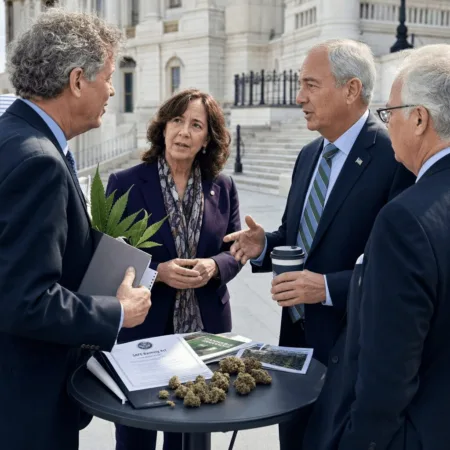
The latest wave of DEA marijuana research obstruction grabbed headlines recently, as a group of scientists and industry advocates spoke out about the DEA’s sluggish pace on permit reviews. Public health, patient safety, and burgeoning legal markets all feel the impact, especially as more states move forward with recreational and medical sales (think Illinois, California, and New York) and the industry faces unique pressures —such as hurdles experienced by cannabis growers struggling to keep up with regulatory demands. Even as more states legalize recreational and medical sales, the DEA’s backlog stretches on. In late 2023, several research universities—including the University of Mississippi and Arizona’s Scottsdale Research Institute—publicly documented years-long waits, endless resubmissions, and shifting requirements. Days turn into months, and months into years. Meanwhile, legal industry giants like Curaleaf and Green Thumb Industries publicly urged federal regulators to align research approvals with modern market realities. According to Marijuana Moment, the pressure spiked after Congress called for greater accountability in DEA decision-making. The bottom line: every month the bottleneck continues, science falls further behind the cannabis curve.
Expert Takes: Why This Obstruction Hurts, and How the Industry Pushes Back
In the trenches, every day spent waiting on the DEA means critical discoveries are missing in action. This is a running theme for the nation’s leading voices in cannabis research. Dr. Sue Sisley, a longtime advocate and principal investigator at the Scottsdale Research Institute, put it bluntly: “The current process for obtaining marijuana for research is unnecessarily burdensome, and the DEA marijuana research obstruction is harming patients and holding back science.” (Scottsdale Research Institute). Industry analysts echo this; according to an in-depth report from Leafly, slow approvals mean missed opportunities in everything from pain management to mental health, even as the commercial market flourishes. The difficulties researchers face are mirrored by similar challenges in other legal debates, including how local communities address issues such as the ongoing struggle for cannabis sovereignty and legalization in Nebraska. The obstruction also skews who can access research grants, disproportionately favoring established institutions and leaving underserved communities out of the loop. As more medical professionals and policy reformers advocate for science-driven regulation, the mismatch between federal inertia and booming legal markets becomes impossible to ignore. Social stigma is fading, markets are booming, but the DEA marijuana research obstruction stubbornly holds back knowledge every step of the way.
The Road Ahead: Cannabis Science, Progress, and Hope for Reform
Looking forward, there are plenty of reasons to stay hopeful—even if bureaucratic wheels turn slowly. Public pressure on the DEA marijuana research obstruction is building. Multiple bills in Congress, like the Medical Marijuana and Cannabidiol Research Expansion Act, are gaining traction. Leading publications, including NORML, highlight record voter support for expanded research and commercialization. Regulatory change is inevitable as scientific gaps become too glaring to ignore and U.S. competitors around the world speed forward with cannabis innovation. The ultimate silver lining? The relentless push from researchers, the cannabis community, and even big industry signals that, eventually, science will catch up—and once it does, both patients and policymakers will finally have the answers they deserve.
Originally reported by: finance.yahoo.com