

Veterans psychedelics PTSD therapy: Bold Paths to Recovery
The conversation about veterans psychedelics PTSD therapy has never been louder—or more crucial—than it is right now. As more research and real-life stories emerge, we’re seeing a massive shift in how trauma recovery is viewed in the veteran community. This shift is backed by new legislation, shifting public opinion, and firsthand accounts from veterans themselves. In this article, we’ll explore how cannabis and psychedelics are changing the game for veterans living with PTSD, and why this therapy is gaining so much attention from advocates, lawmakers, and researchers alike.
The Changing Landscape: Regulation, Stigma, and the Push for Veterans Psychedelics PTSD Therapy
There’s no denying that the conversation around veterans psychedelics PTSD therapy sits at a crossroads of policy, science, and culture. For decades, both cannabis and psychedelics were tucked away in the ‘bad news’ folder of American drug law, with tough rules under the DEA’s Drug Scheduling. But in recent years, a wave of reform has been pushing through. Colorado, Oregon, and parts of California are now testing out medical and therapeutic pathways to psychedelics and cannabis for mental health. For instance, stories like the seizure of unregulated indoor grows in California highlight how local enforcement is adapting amid these changes. Department of Veterans Affairs (VA) still can’t prescribe these, but many clinics are exploring legal alternatives and research exemptions. Social perceptions are shifting fast, too. According to Pew Research, over 88% of Americans now support medical marijuana, a sharp rise from just a decade ago. This groundswell is breaking down stigma and making it easier for veterans to ask for the help they need, without fear they’ll be left out in the cold by official red tape.
Breaking News: How Psychedelics and Cannabis are Changing Veterans’ Lives
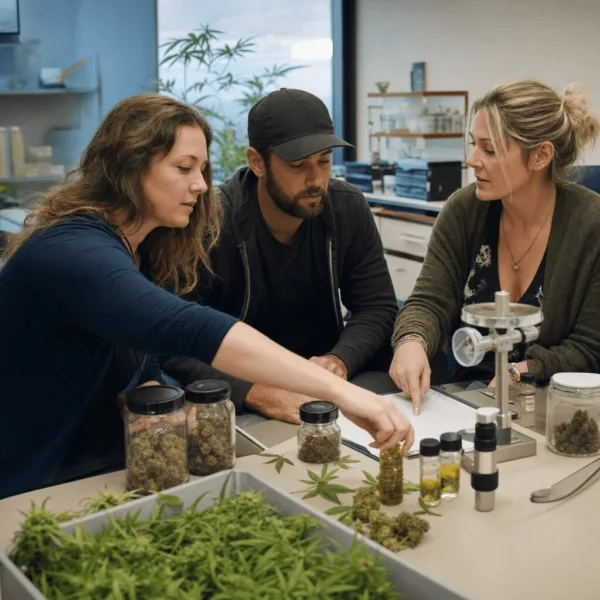
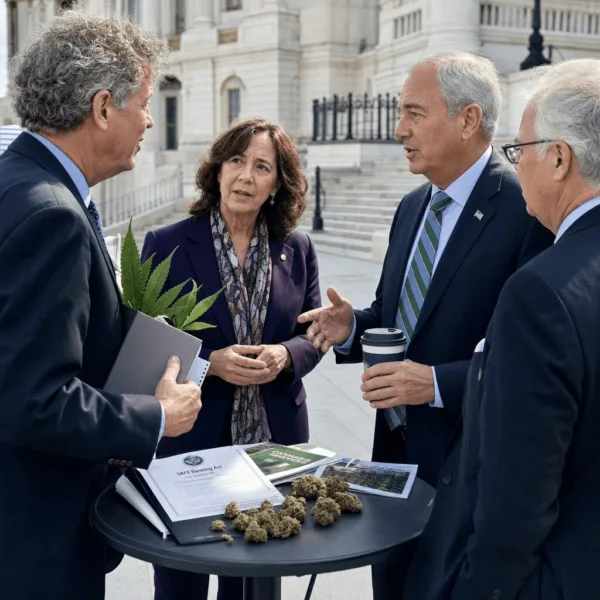
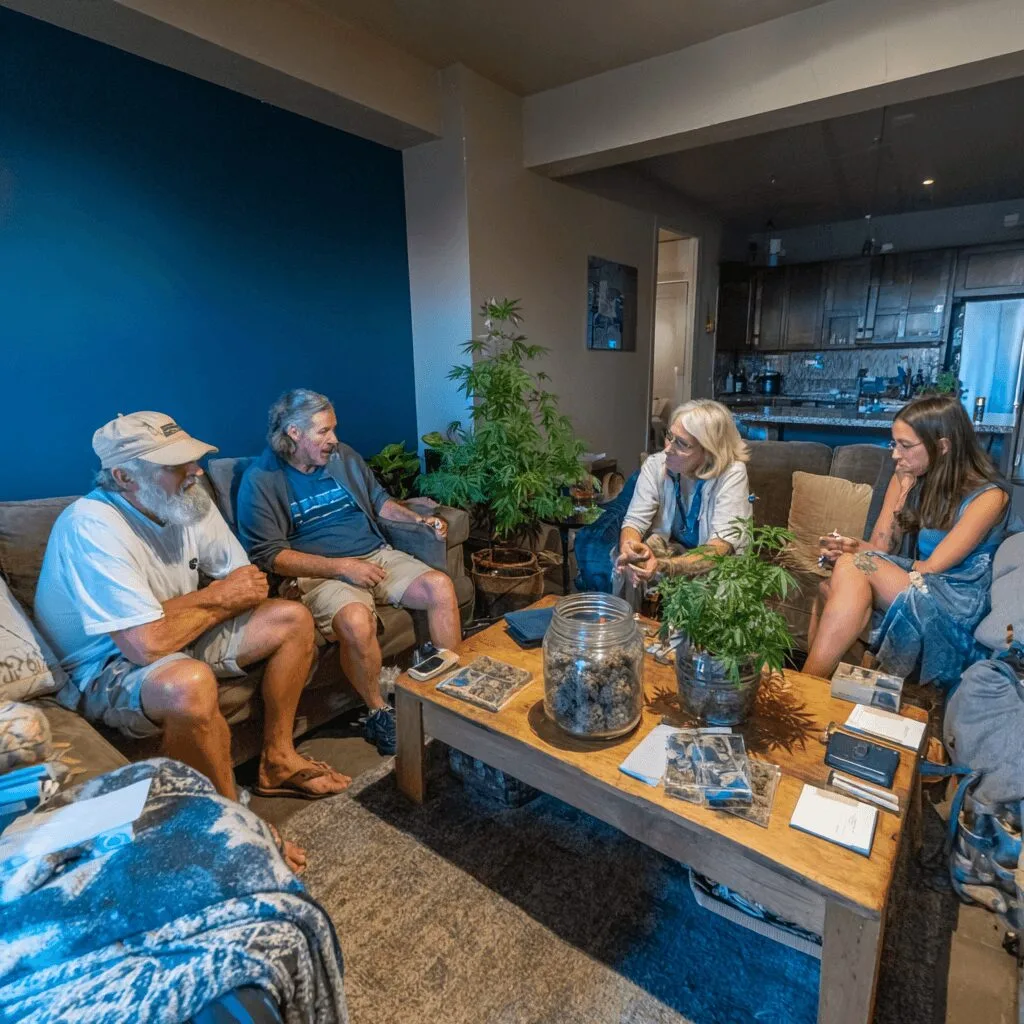
The move towards veterans psychedelics PTSD therapy got a surge of national attention recently. According to a WRAL report, groups of veterans across the country are now openly participating in therapy sessions involving psychedelics and cannabis. These sessions are not your average therapy sit-down. Instead, they blend peer support, professional guidance, and the mindful use of cannabis and psychedelics to confront trauma. For example, the Heroic Hearts Project—a well-known charity featured in many major news outlets—has been leading programs in Oregon and abroad, connecting veterans with safe, supportive environments for these alternative therapies. In a recent 2024 group session, US Army veteran Mike Turner shared how guided psychedelic experiences “helped lift a weight years of talk therapy couldn’t touch.” Veterans cited significant, positive shifts: reduced nightmares, less anxiety, and stronger bonds within support groups. Innovative research, such as work exploring how brain circuits are affected by psychedelics, continues to add legitimacy to these methods. Meanwhile, companies like MAPS are driving hard for FDA approval of MDMA-assisted therapy for PTSD, and they’re specifically targeting studies to include veterans. In the legal realm, some lawmakers are pushing for VA pilot programs and increased funding for further research, as reported by CNN Politics.
Expert Insight: Why Cannabis and Psychedelics Deserve a Place in the Conversation
To be blunt, nothing about the journey to veterans psychedelics PTSD therapy has been easy or risk-free. But experts are increasingly bullish. As Dr. Sue Sisley of the Scottsdale Research Institute put it, “We’re finally recognizing that conventional treatments leave millions of veterans behind. Psychedelics and cannabis open a new window of hope where science and experience are telling the same story.” Many in the cannabis industry point to findings reported in publications like Leafly, showing reduced levels of PTSD symptoms among veterans who use cannabis as part of a holistic mental health plan. In regions like Maine, debates over whether we’re seeing too many dispensaries or a new green gold rush continue—as explored in recent coverage about local business trends. Meanwhile, organizations like MAPS continue to back up their advocacy with double-blind studies and landmark clinical trials. Of course, there’s a major caveat: everyone agrees these treatments must be guided safely, professionally, and never taken lightly. But overall, the expert consensus is shifting in favor of giving veterans the right to access all available therapeutic options.
Looking Forward: A Brighter Future for Veterans Psychedelics PTSD Therapy
If you ask those deep in the trenches of veterans psychedelics PTSD therapy, the main message is clear: change is not only possible—it’s already happening. New policies, better public awareness, and stronger evidence are combining to erode old taboos and to offer hope for a million American veterans. Industry insiders predict that, as more states update their laws and more VA-funded studies conclude, both cannabis and psychedelic therapies will become standard options for trauma recovery. Recent expansions in states like Colorado and Oregon, as tracked by Marijuana Moment, suggest the trend is set to keep accelerating. At the end of the day, it’s about real people finding real relief—and about the cannabis industry earning respect as a vital player in modern healthcare.
Originally reported by: wral.com