




Reporting Marijuana Customers: What Michigan Shops Must Know
Cannabis in Michigan has never been more popular—or debated. With new attention on how dispensaries are reporting marijuana customers, the industry faces fresh challenges and unique questions. Recent news and policy shifts have triggered big reactions from businesses and buyers. If you’re part of the cannabis community, you need to know what this reporting means, why regulators are focused on it, and how shops should actually respond. In this guide, we’ll spark up expert insight, authoritative sources, and future-facing analysis, ensuring every budtender and buyer is in the know.
The Evolving Landscape of Cannabis Customer Reporting
Michigan’s adult-use cannabis market has exploded since legalization, sparking a patchwork of local regulations and constant oversight from the Cannabis Regulatory Agency. Since the 2018 passage of Proposal 1, the state has navigated how to balance legal sales, consumer privacy, and public safety. According to national tracking by NORML, reporting marijuana customers has become a hot topic as states seek to address diversion, illegal market activity, and financial transparency. Local law enforcement, city councils, and even federal agencies have increased their scrutiny, especially concerning how much cannabis is purchased, who buys it, and whether suspicious activity is flagged. In border towns like those discussed in recent coverage of Michigan cannabis shop limits, debates over regulatory approaches have become especially intense as the industry now generates over $3 billion annually, driving statewide conversations about consumer protections and community impact.
What’s Happening Now: Key Facts, Shops, and the New Reporting Dilemma
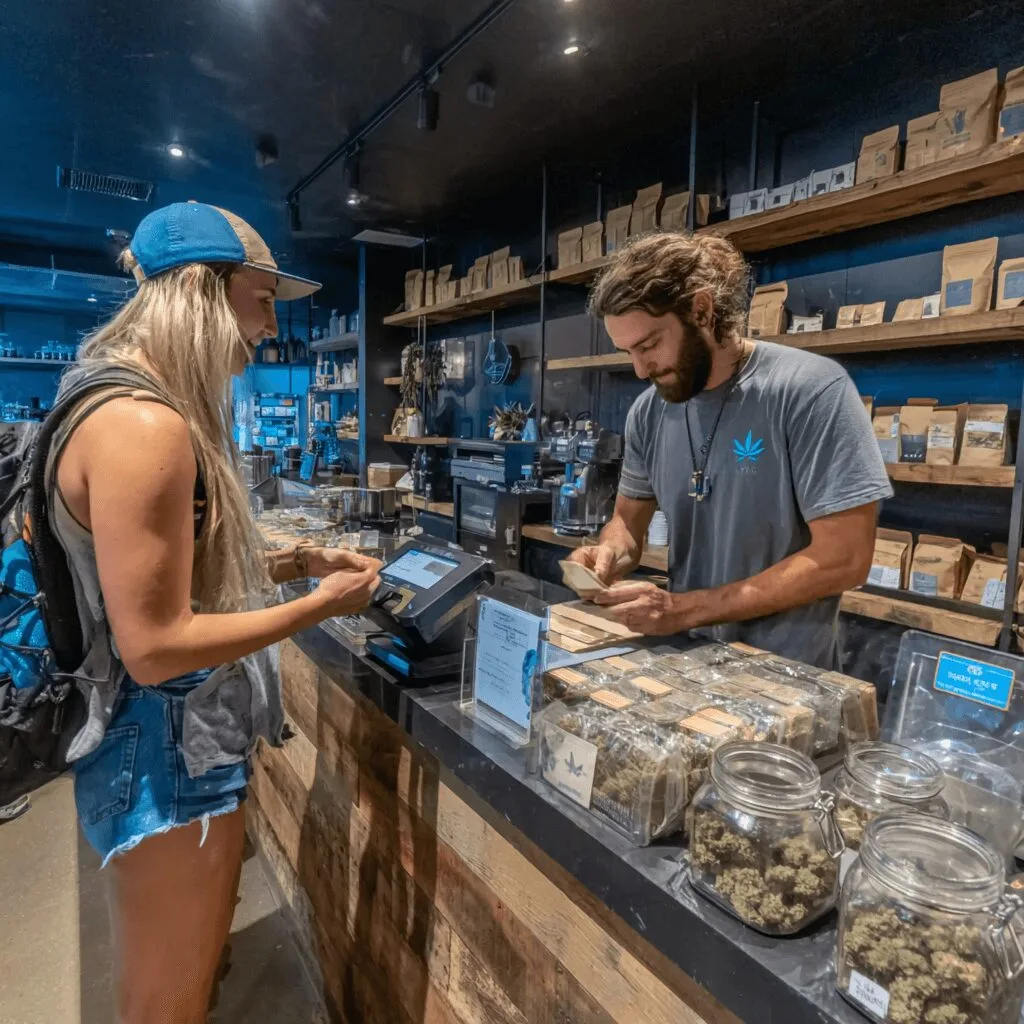
As first covered by MLive, Michigan dispensaries are being asked to increase their vigilance in reporting marijuana customers. Starting November 2025, the Cannabis Regulatory Agency distributed notices to every licensed retailer, requesting they monitor for and report any customers showing potential signs of illegal resale or making ‘suspicious’ large purchases. Major outlets in Detroit, Grand Rapids, and Ann Arbor, such as Greenhouse, House of Dank, and Breeze, have confirmed receipt of these letters. The guidelines instruct retailers to report ‘patterns’ like frequent bulk purchases, rapid repeat visits, or presentation of multiple IDs. This shift stems from regulators’ concern over ongoing interstate diversion of legal pot to illegal markets. Insights from similar enforcement efforts, such as the major marijuana plant seizure in Northern California, provide context to these efforts. The Michigan CRA makes it clear: failure to promptly report could result in fines, license reviews, or stricter compliance audits. As of late 2024, at least a dozen shops are under compliance review, according to Ganjapreneur industry reporting. The move has immediately raised alarm among consumer privacy advocates, who are questioning just how much information dispensaries should be expected to hand over about their customers.
Expert Analysis & Industry Perspectives on Reporting Marijuana Customers
This new wave of reporting marijuana customers has sparked debate from the highest levels of the Michigan cannabis industry. Industry attorneys warn that requiring detailed customer reporting may erode consumer trust. According to Marijuana Moment, Michigan Cannabis Industry Association leaders worry that “a snitch culture is the last thing the legal market needs when battling legacy-market competition.” Kendra Robbins, compliance director for a statewide retail chain, explained, “Our teams are trained to spot genuine red flags, but being told to ‘watch’ every cash-heavy or bulk-buying customer puts us in an awkward position between privacy and policy.” Robbins’ concern is that legal cannabis, built on trust and transparency, could be undermined by fear-based reporting. For perspective on similar regulatory tensions, look to insights from oversight discussions reported in medical marijuana oversight panels in other states. Advocates point to experiences in other states such as California and Colorado, where overzealous reporting chilled customer engagement but yielded few actual criminal busts, as Leafly News has reported. Meanwhile, regulators stress that organized diversion is still a real threat, citing DOJ evidence of trafficking operations exploiting legal shops’ leniency. The consensus among industry experts is to find a middle ground that targets truly suspicious activity without fostering paranoia, as properly balancing privacy rights with smart compliance will shape Michigan’s reputation moving forward.
A Green Future: Where Does Michigan Go from Here?
Despite concerns around reporting marijuana customers, Michigan’s cannabis sector remains vibrant and full of opportunity. The passionate push for clear, fair guidance shows just how much retailers and advocacy groups care about ethical business and consumer dignity. As public support grows stronger—according to Pew Research, 89% of Americans favor legal adult use or medical cannabis—the call for privacy-respecting, smart policy will only intensify. Regulators and retailers should view this reporting debate as a chance for dialogue and collaboration, not unilateral mandates. If both sides keep things transparent, accountable, and focused on real harm reduction, Michigan’s cannabis industry can set a national standard for safety, respect, and success. We’re all rooting for a future where policy keeps pace with progress, and where responsible cannabis access never comes at the cost of trust or personal freedom.
Originally reported by: mlive.com