


Nonclinical psilocybin use: What happens next?
The buzz around nonclinical psilocybin use is impossible to ignore. With more people casually exploring psychedelics outside traditional therapy settings, there’s a surge in curiosity, opinion, and concern. Recent jumps in usage are sparking legal, medical, and cultural conversations coast to coast. In this piece, I’ll break down why nonclinical psilocybin use is on everyone’s radar, explore the regulatory background, dive into what’s actually happening in the field, and unpack what this means for cannabis and psychedelics culture. Let’s get comfortable, spark up some insight, and see where this groovy journey’s headed.
Psychedelics on the Map: Regulatory, Legal, and Social Backdrop
Nonclinical psilocybin use is shaking up decades-old perspectives on drug policy. Once lumped into strict federal bans under the Controlled Substances Act, psilocybin mushrooms now find themselves at the center of active reform conversations. Cities from Portland to Denver have already taken steps to decriminalize personal use. In states like Oregon, Measure 109 has set up pathways for medical, and indirectly, broader access. According to Brookings, interest groups and policy makers are closely watching the effects of these changes, discussing the balance between public health, therapeutic discovery, and personal freedom. Meanwhile, institutions like Johns Hopkins and NYU are making headlines with studies on psilocybin’s effect on anxiety, depression, and even substance use disorders, fueling public intrigue and controversy. Societal attitudes are shifting as younger generations, inspired by legalization and cultural normalization of cannabis, become more open to nonclinical psilocybin use in everyday settings. As seen in many recent social shifts and changing legal stances toward adult-use cannabis, regulators now face mounting pressure to adapt policy to rapidly changing behaviors.
Core Events: A Look at Recent Nonclinical Psilocybin Use Trends
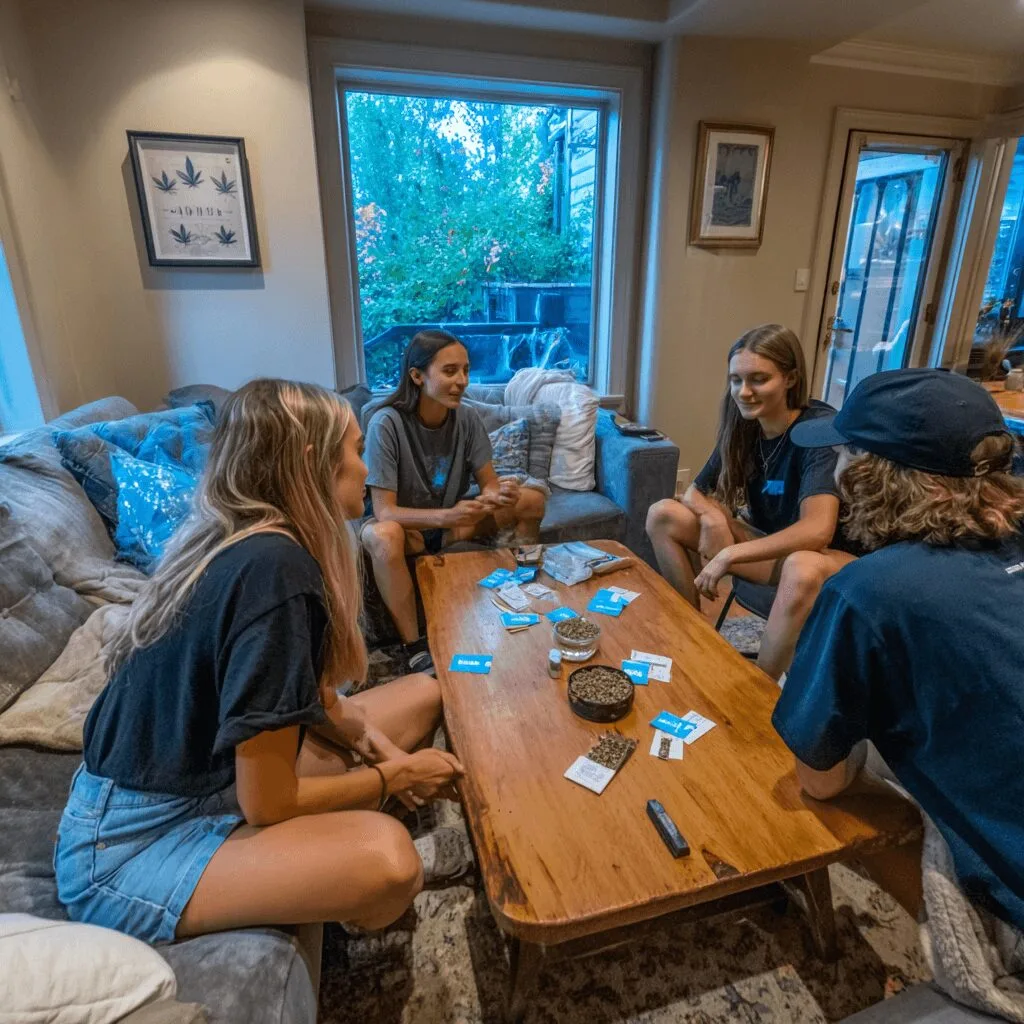
According to reporting from the American Medical Association, nonclinical psilocybin use is taking off. Between 2021 and 2023, informal use grew faster than anticipated, especially within peer groups, festivals, and private social settings. Health professionals and local law enforcement say they’re witnessing increased inquiries, minor legal incidents, and even emergency calls connected to unfamiliar or high-potency mushrooms. Meanwhile, market players on the gray market are riding the wave: curated mushroom packs, edible concoctions, and even boutique “wellness” events are blossoming, despite federal illegality. Legal ambiguity reigns, while Oregon’s medical psilocybin framework is tightly regulated, most users operate outside those boundaries, echoing cannabis’s early days. Recent community reports dive deeper into these nonclinical psilocybin use trends shaking up expectations. Experts cited by the AMA report record spikes in online psilocybin forums, digital sales, and public discourse. Local lawmakers in cities like Ann Arbor and Somerville are seeing the impacts, considering whether to follow Denver and other fronts in decriminalization. These rapid changes are fueling debates among doctors, patient advocacy groups, and public safety officials about what, if anything, should be done to manage this surge in nonclinical psilocybin use.
Expert Take: Why Nonclinical Psilocybin Use Mirrors Cannabis Culture, And What’s Next
The sharp rise in nonclinical psilocybin use isn’t just a random trend, it’s a signpost for the evolving future of wellness and social consumption. Industry leaders see history repeating itself, much like with the early cannabis movement. As Dr. Matthew Johnson of Johns Hopkins University notes, “Nonclinical use is where plant-based medicine movements begin, through discovery, sharing, and, yes, some mistakes. But it’s how society learns and pushes policy to catch up with reality.” (Johns Hopkins Psychedelic Research). The focus on wellness, microdosing, and open discussion is creating clear parallels with how cannabis culture has shaped broader acceptance and informed educational opportunities for communities exploring alternative therapies. The lesson is clear: prohibition rarely prevents use—balanced decriminalization and transparent education can bridge the gap between users and health care professionals. Industry experts cite the explosion of educational brands and non-profit harm reduction orgs as proof the community wants safe, informed options. As mainstream wellness trends embrace microdosing and social tripping, expect even more cross-pollination between cannabis and nonclinical psilocybin use. The stigma is falling, and science-backed conversations are paving the way for a more rational, inclusive policy future.
What’s Over the Horizon? Psychedelics, Cannabis, and the Path Forward
Looking ahead, nonclinical psilocybin use seems poised to follow in the well-worn (and well-loved) footsteps of cannabis. Increasing social acceptance, grassroots education, and pragmatic regulatory reforms will likely define the next decade. As Forbes highlights, the market’s energy is contagious, and responsible leadership from the cannabis world could guide psychedelics to safer, broader access. The most successful paths will foster education, de-escalate criminal penalties, and focus on real harm reduction. For everyone invested in plant-based healing, there’s plenty of reason for optimism—the pace of change isn’t slowing down. Nonclinical psilocybin use and cannabis culture are on track to shift once-taboo subjects into meaningful vehicles for health, happiness, and connected communities.
Originally reported by: ama-assn.org
1 Comment
Pingback: Cannabis Minority Ownership: Summit Unveils Bold Opportunities