


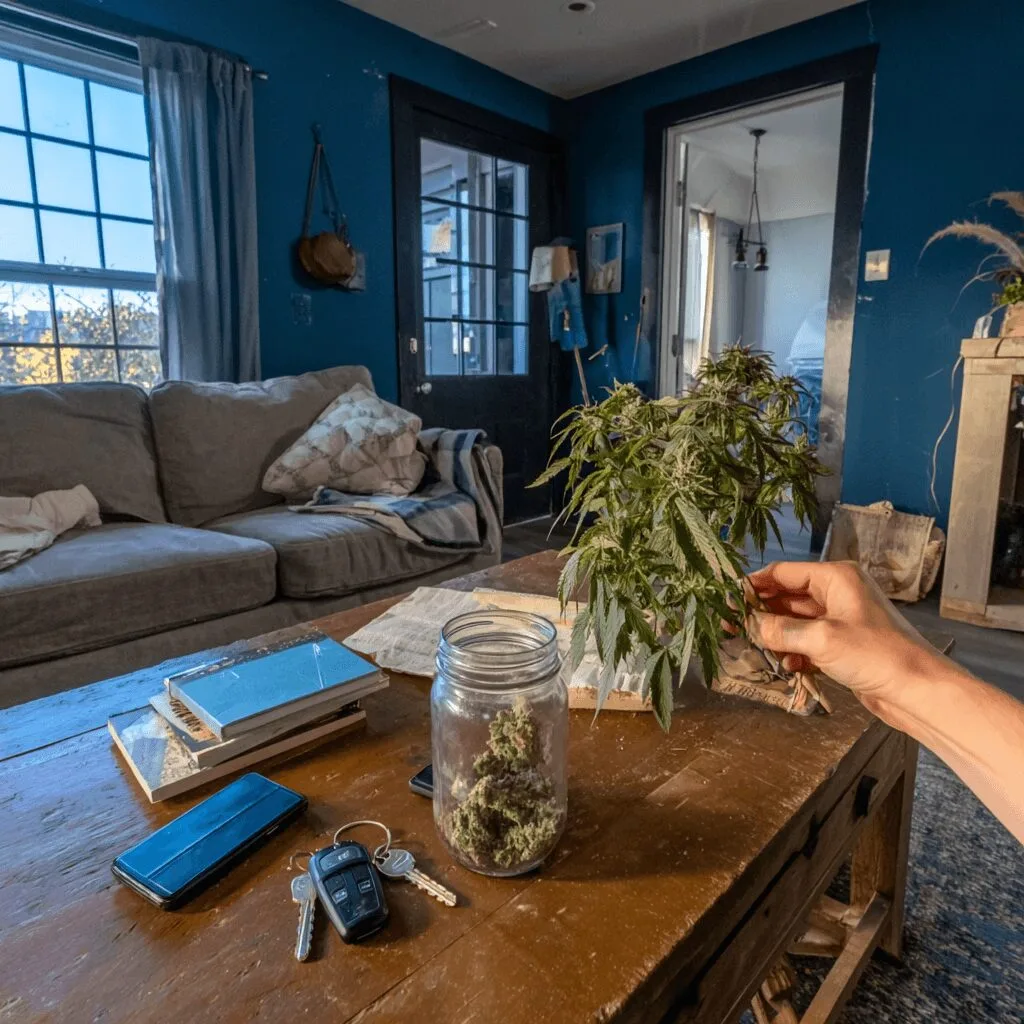
Marijuana Charge Northwest Iowa: What You Need to Know Now
There’s a serious buzz around the “Marijuana Charge Northwest Iowa” conversation right now—and it’s not from a dispensary. As legal cannabis reform sweeps the nation, Northwest Iowa finds itself at a crossroads. Community members, law enforcement, and advocates are wrestling with evolving laws and real-life cases. With recent marijuana charges surfacing in local news, understanding the legal, social, and economic impact on everyday Iowans matters more than ever. This article breaks down the facts, explains what’s driving new developments, and offers expert insights about what comes next.
The Landscape: Background & Context
The “Marijuana Charge Northwest Iowa” issue can’t be separated from the tug-of-war between state laws and shifting national sentiment. While Iowa law remains tough on possession and use, neighboring states like Illinois have legalized adult recreational use (see official details from the State of Illinois). In Iowa, cannabis—except for tightly restricted medical CBD—remains criminalized under state code. Even as over half of Americans support full marijuana legalization, per Pew Research Center, Iowa holds steady. This friction breeds confusion and tension in rural communities, amplified in counties like those in Northwest Iowa where attitudes and enforcement can shift street by street. Families in these regions are also increasingly aware of new risks and concerns, especially regarding the dangers for parents who might drive under the influence with children in the car, as highlighted in this important discussion on driving high with a child. The stakes? First-time offenders facing fines or potential jail time, stigma in small-town circles, and a growing debate between personal freedom and public safety. Advocates point to Drug Policy Alliance data showing high enforcement costs and disproportionate impacts on young adults, especially for non-violent charges. So, it’s not just about weed—it’s about who gets prosecuted, why, and what it means for the community at large.
Key Developments & Issues: What Happened in Northwest Iowa?
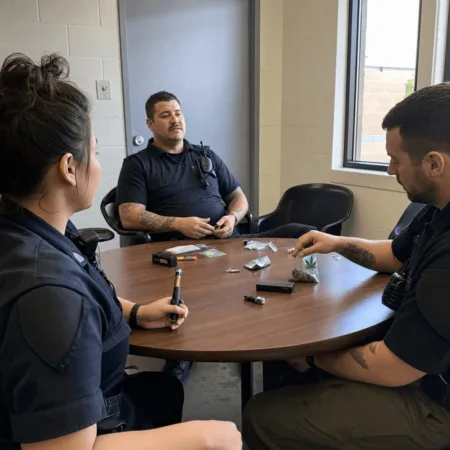
Recent headlines about a “Marijuana Charge Northwest Iowa” case have put the topic in the local spotlight. According to a recent report by NorthwestIowaNow, law enforcement filed charges after an individual was allegedly caught with a small quantity of marijuana. The arrest, reported in late May 2024, occurred during a routine traffic stop in Sioux County—one of the region’s more conservative zones. Police found cannabis flower and paraphernalia in the vehicle. Authorities cited both state possession statutes and paraphernalia laws, reflecting Iowa’s strict zero-tolerance approach. The defendant, an adult in their late twenties, faces misdemeanor penalties, including potential jail time and a fine. This is not an isolated story. KCCI Des Moines has reported several similar cases this year, with most ending in plea deals but causing lasting marks on personal records. This trend is mirrored in other Midwestern communities where municipal leaders actively debate future cannabis policies—a notable example can be seen as Crookston local leaders rethink their approach and city budget regarding cannabis regulations. What’s catching eyes now is that most of these incidents are low-level, nonviolent offenses—raising uncomfortable questions about whether law enforcement priorities are aligned with evolving social attitudes. Meanwhile, legal experts throughout the state are following these cases closely, noting the potential precedent if judges start showing leniency or calling for reform in their rulings.
Expert Analysis & Pro-Cannabis Counterpoints
Here’s where things get interesting. Industry professionals and community organizers argue that a “Marijuana Charge Northwest Iowa” isn’t just about the letter of the law, it’s about shifting tides. As Marijuana Moment regularly reports, states with punitive approaches like Iowa risk missing out on major social and economic benefits seen elsewhere. “It’s time to recognize cannabis policy as a tool for public health, not criminalization,” says Ethan Nadelmann, founder of the Drug Policy Alliance. In Northwest Iowa, every new charge intensifies calls for reform, while studies from Leafly News show legal markets produce tax revenue and safer supply chains. Conversations around marijuana’s impact on broader addiction, including how medical marijuana could be redefining opioid and cancer treatment paths, are gaining traction among advocates seeking reform, such as those engaging with recent research into medical marijuana’s influence on opioid and cancer care. Advocates highlight that most people arrested for possession are otherwise law-abiding citizens, often ensnared by outdated laws. Meanwhile, law enforcement resources funnel toward non-violent arrests instead of more pressing issues facing communities. Local counselors note the emotional toll charges take on young adults, referencing research from the ACLU that underscores how marijuana charges can derail careers or education for years.
Future Outlook & Conclusion: Change is Coming
The “Marijuana Charge Northwest Iowa” debate won’t fade soon, but the tides of change are undeniable. Around the country—and increasingly in Iowa—citizens, advocacy groups, and even some public officials are pushing for a smarter approach centered on decriminalization, realistic medical access, and restorative justice. As reported by Forbes, regions embracing reform are tapping new economic opportunities, reducing criminal justice costs, and seeing less stigma. With every headline involving a marijuana charge, Northwest Iowa takes a step closer to an informed dialogue. The future? Expect ongoing debates, ballot initiatives, and (hopefully) a move toward policies that protect, not punish, ordinary Iowans. One thing’s certain: The conversation around cannabis is here to stay, and the high stakes make every voice count.
Originally reported by: northwestiowanow.com