


Crookston cannabis regulations: What’s changing in your city?
Cannabis advocates, policymakers, and everyday folks in Crookston are buzzing. The latest shake-up around Crookston cannabis regulations puts local policy in the spotlight. With Minnesota’s recent statewide legalization and cannabis markets evolving fast, city leaders are finetuning local rules to balance business opportunity with community interests. This article unpacks what’s on the table, why it matters, and how Crookston fits into the wider movement for balanced, fair cannabis regulation.
Understanding the Landscape: Why Are Crookston Cannabis Regulations Shifting?
Minnesota’s legalization of adult-use cannabis in 2023 put cities like Crookston in the position to set boundaries reflecting local values. According to the Minnesota Public Radio, cities retain substantial discretion on issues like retail zoning, business licensing, and public consumption. Local leaders, activists, and industry insiders know these choices shape both neighborhood safety and economic opportunity. In smaller cities, Crookston cannabis regulations often influence everything from employment to perception, and the local governance over these rules can soften or sharpen the social shift around cannabis, much like what recently happened during the Niles Township marijuana vote, where the community was divided and the future of cannabis was openly debated (see details). Trust me, as someone who’s seen cities absolutely fumble or ace such rollouts, well-drafted city ordinances matter.
Latest Moves: The Ways & Means Committee’s Cannabis Agenda
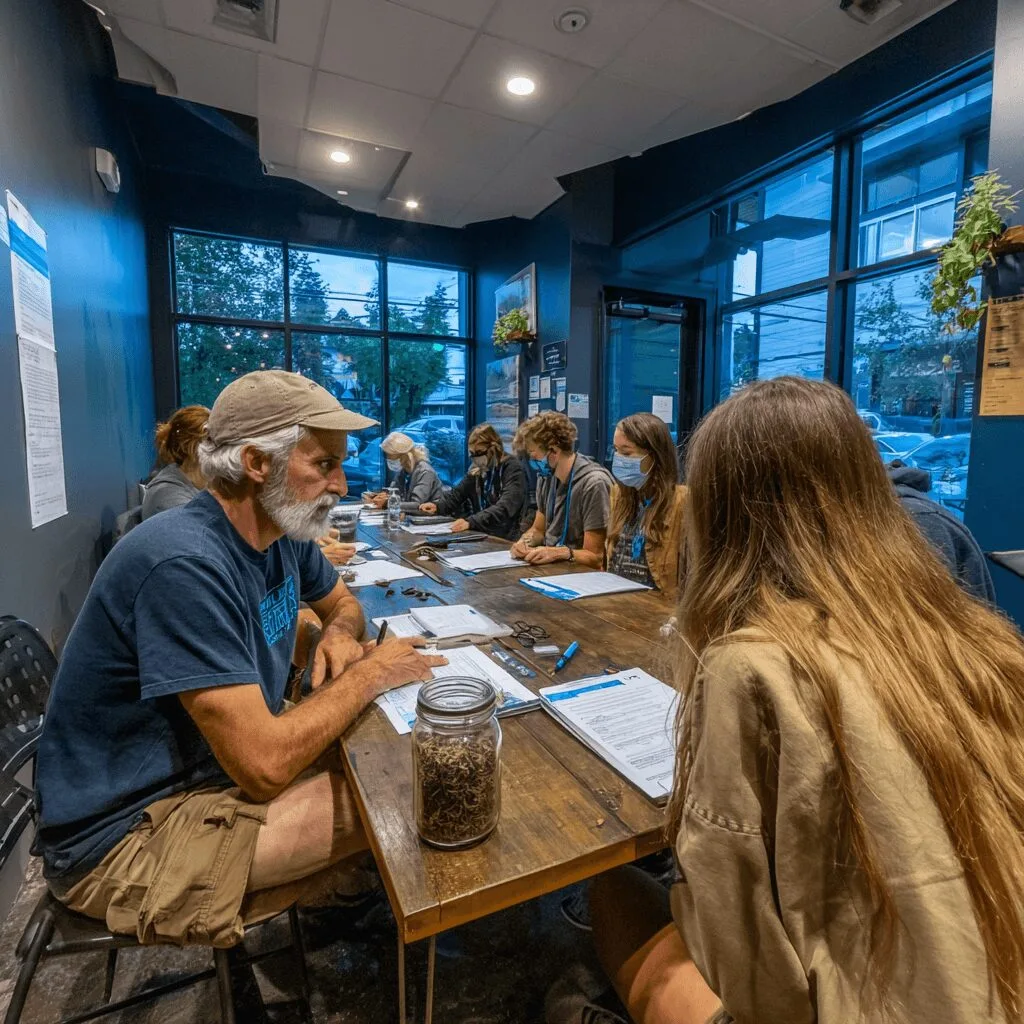
This past week, Crookston’s Ways and Means Committee convened to hash out the next phase of Crookston cannabis regulations. According to reliable coverage by KROX, city staff presented options for regulating where and how cannabis retail businesses will operate. Discussions included zoning restrictions near schools and parks, business licensing procedures, and local taxation. Council members debated appropriate buffer zones, reviewed draft ordinances, and considered feedback from community forums. No final laws hit the books yet, but the vibe was open, both cautious and optimistic, about finding a perfect Goldilocks zone between overreach and a laissez faire free-for-all. The meeting also flagged the financial impact, as projected cannabis-related revenue could factor into the 2026 city budget—a process that has proven contentious in many regions, as seen with oversight panels where industry tension creates key turning points (more info).
Industry Insights & The Expertise Factor on Crookston Cannabis Regulations
The current Crookston cannabis regulations debate isn’t just about shops and city coffers, it’s a microcosm of the greater cannabis normalization sweeping the Midwest. Drawing on industry-wide know-how, we see recurring patterns: thoughtful local rules prime cities for safe, profitable cannabis adoption. As MJBizDaily reports, cities with clear, inclusive cannabis regulations attract reputable businesses and provide consumer protection. Dr. Amanda Reiman, a cannabis policy scholar at Drug Policy Alliance, notes, “Cities that invest in smart, inclusive cannabis policy can foster safer communities and broader economic access.” Crookston’s current debate shows serious intent to learn from other markets’ mistakes and wins. The emphasis on proper vetting and community consultation echoes national best practices. These regulatory choices reflect not only a long-term strategy but also address patient and public health needs, which is seen in how medical marijuana usage trends are continuously redefining treatment paths and community health perspectives (explore more). It’s clear local officials are in this for the long game, not just short-term fixes or politics-as-usual.
Next Steps: Crookston Cannabis Regulations and What’s Around the Corner
Looking forward, Crookston cannabis regulations will likely evolve hand-in-hand with public sentiment and industry realities. With Minnesota’s market still young, smart cities like Crookston position themselves as hubs for responsible growth. As NORML underscores, communities that modernize regulations stand to benefit from increased revenues and community safety. Residents have every reason to remain optimistic: as more Minnesotans see cannabis regulated with transparency and common sense, the stigma fades, jobs grow, and civic trust rebounds. Crookston’s story is more than a policy debate—it’s another step toward a mature, equitable cannabis landscape that can serve as a model for other Minnesota cities.
Originally reported by: kroxam.com
1 Comment
Pingback: Cannabis Tobacco Use Risk: What You Need to Know Now