



Illegal cannabis dispensaries SoCal: Shocking truth revealed
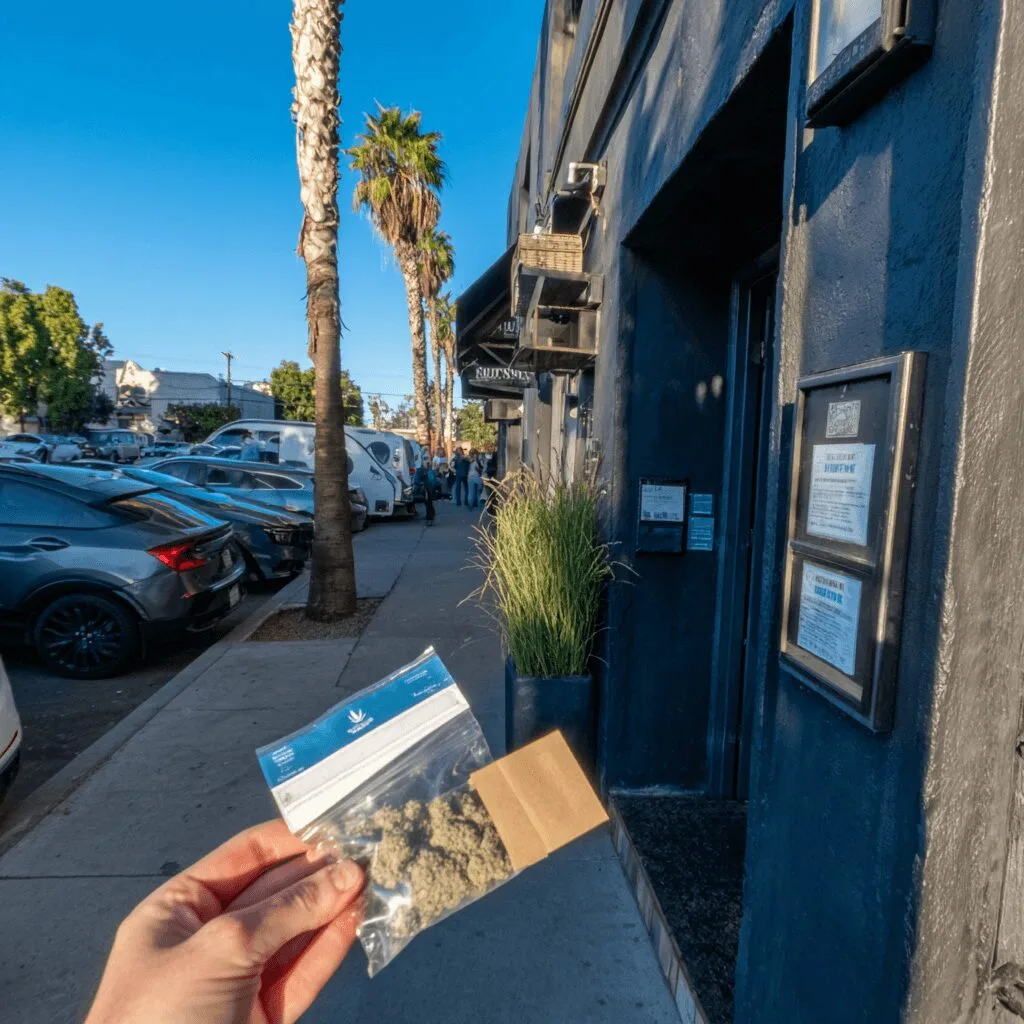
California’s cannabis landscape is evolving fast, yet illegal cannabis dispensaries in SoCal remain part of the story. As the legal market grows, these unlicensed storefronts keep popping up, sparking debates in communities, pressuring law enforcement, and impacting legit operators. Recent investigations show just how widespread illegal cannabis dispensaries SoCal can be, challenging the industry’s next chapter. Let’s break down what’s happening, why it matters, and what comes next.
The Regulatory Maze: Navigating SoCal’s Cannabis Landscape
Since California’s landmark Proposition 64 was passed, legal cannabis has been tightly regulated. The California Department of Cannabis Control sets strict rules on licensing, testing, and sales, aiming to ensure product safety and consumer protection (California Department of Cannabis Control). Despite these efforts, the shadow of illegal cannabis dispensaries SoCal lingers. Patchy city regulations create a complex map, and some cities ban dispensaries, driving consumers to nearby black market options. Tax rates are high, adding to the allure of unlicensed shops promising cheaper weed. Meanwhile, enforcement resources are stretched thin, leaving many unlicensed operators mostly unchecked. These challenges closely mirror those seen statewide, where systemic issues in California’s cannabis market present ongoing struggles for robust legal oversight. As a result, legal shops shoulder more overhead, but illegal cannabis dispensaries SoCal continue serving eager customers, blurring the lines between risk and reward in the golden state’s cannabis capital.
Recent Raids and Revelations: What’s Really Happening in SoCal?
According to a 2025 Spectrum News SoCal investigation, Los Angeles County alone still hosts hundreds of illegal cannabis dispensaries, despite ongoing crackdowns. In October 2025, local law enforcement and the Department of Cannabis Control launched a coordinated sting across Compton, Lynwood, and South LA, raiding at least 25 illegal cannabis dispensaries SoCal in just one week. Seizures included over 2,000 pounds of flower, 1,800 vape pens, and some edibles with unapproved additives. Investigators cited landlords knowingly leasing spaces to illegal operators in exchange for premium rent. While some dispensaries were shuttered, many reopened within days at new addresses, using nearly identical names to skirt detection. Even sophisticated tech, including fake security cameras or buzz-in doors, helped these businesses blend into everyday neighborhoods. This revolving-door enforcement cycle highlights the tenacity of illegal cannabis dispensaries SoCal and the enforcement system’s gaps. The LA County Sheriff’s Office stated, “We simply don’t have the resources to shut down every illegal shop, especially as new ones replace those we close.” Residents voiced concerns about public safety and minors accessing these storefronts, raising the stakes of the regulatory debate, which has echoes in communities nationwide like those seen in recent marijuana activism in places like Niles.
Behind the Busts: What the Industry Really Thinks
So what does this all mean for the larger cannabis world? Licensed operators feel the squeeze as illegal cannabis dispensaries SoCal undercut prices and sidestep taxes, hurting compliant businesses and draining local tax revenue. Consumer advocates stress that unregulated products can pose real health risks, from mold to illicit additives. Yet, legal experts point out that over-regulation and citywide bans create conditions ripe for unlicensed sales. Leafly columnist David Downs told readers, “The gray market thrives wherever access is artificially limited. If we want progress, we need realistic licensing and taxation, not just tough talk” (Leafly). It’s not just about enforcement, it’s about closing the gap between what the market wants and what regulations deliver. Many insiders believe that only systemic reforms, like lower taxes, streamlined permits, and more inclusive local laws, will start to move illegal cannabis dispensaries SoCal toward the legal sector. These concerns are reminiscent of similar regulatory debates in other regions, such as the regulatory challenges faced by Pinckney cannabis businesses. “The problem isn’t cannabis,” says UC Irvine sociology professor Myra Woods, “it’s the patchwork quilt of rules. We need a unified approach, not a whack-a-mole game.” These expert views echo across California’s cannabis community, bringing both urgency and hope for new solutions.
What’s Next? Shaping a Smarter Cannabis Future for SoCal
Despite these challenges, California’s cannabis industry is far from stagnant. Community groups, patient advocates, and business leaders are pushing for smarter, more balanced reform. Positive steps—like pilot programs in cities allowing new retail licenses and better education campaigns—signal gradual progress. According to Marijuana Moment, California regulators are testing new approaches to help bridge the gap between the legal and illicit markets. While illegal cannabis dispensaries SoCal remain a stubborn challenge, rising consumer demand, increased social acceptance, and innovative policy ideas hint at a future where the legal market wins the long game. Cannabis culture is thriving, with honest conversations replacing old stigmas. The story of illegal cannabis dispensaries SoCal isn’t just about challenges—it’s about evolution, community, and progress. As the legal landscape matures, expect more transparency, smarter policy, and a cannabis scene as vibrant as SoCal itself.
Originally reported by: spectrumnews1.com

1 Comment
Pingback: Offset assault lawsuit cannabis: What Really Happened?