




Omaha Tribe marijuana legal dispute: Unpacking the Tribal Showdown
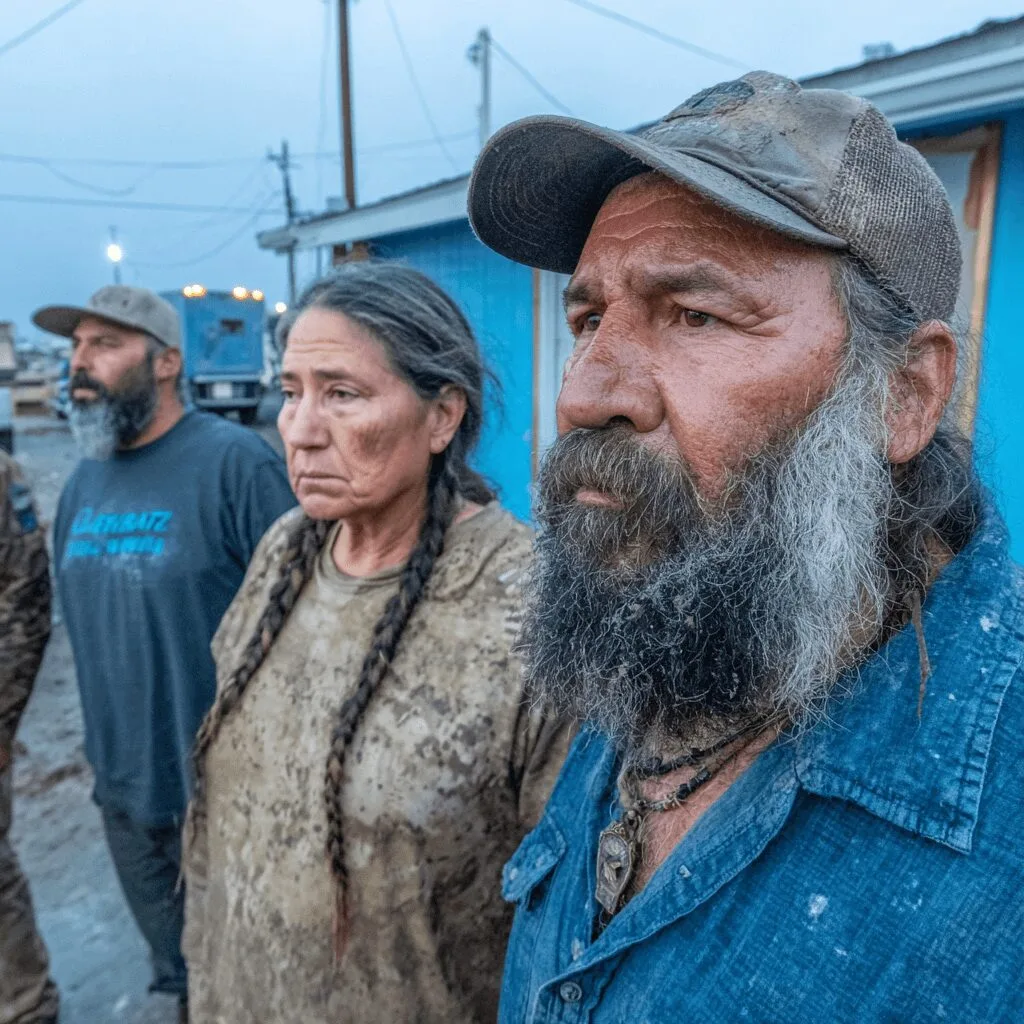
Right now, the Omaha Tribe marijuana legal dispute is making headlines, putting tribal sovereignty on a collision course with evolving cannabis laws. Tensions are high as Nebraska state officials and tribal leaders debate rights over marijuana cultivation and taxation. This case shines a light on deeper questions about indigenous autonomy, state intervention, and the expanding cannabis market. We’ll break down the latest developments, why it matters to consumers and advocates, and what it could mean for the future of tribal cannabis business.
Setting the Stage: Tribal Sovereignty and Cannabis Regulation
The landscape of cannabis law in the United States is in flux, especially on indigenous lands. Tribes like the Omaha Nation, governed by federal trust status, have unique legal leeway when it comes to what they cultivate and sell on their land (Native Governance Center). However, both federal and state authorities frequently push back, citing public safety, tax collection, and jurisdiction. These tensions echo landmark cases in other regions—such as seizures that have recently occurred in places like Valdosta (see Valdosta’s recent bust)—underscoring how complicated enforcement can be. The Omaha Tribe marijuana legal dispute is the latest chapter in a long saga of questions about where state oversight ends and tribal self-determination begins. In Nebraska, where cannabis remains strictly controlled, the struggle is particularly heated. Economic opportunity and cultural rights intersect, pushing tribes to challenge old norms while states scramble to keep up with shifting policies and rising legalization trends nationwide (NORML: State Laws).
Turning Point: Facts and Fallout in the Omaha Tribe Marijuana Legal Dispute
Here’s the scoop on what went down: Earlier this year, the Omaha Tribe publicly announced their intention to expand marijuana cultivation and sales on tribal lands. According to News From The States, tribal leaders accused Nebraska Attorney General Mike Hilgers of ramping up enforcement action in retaliation for ongoing tobacco tax negotiations. The legal and policy stakes echo debates experienced in other states, similar to how smaller towns have been shaken by high-profile busts (as highlighted by a Kansas incident). Tribal Chairwoman Vance Kitka voiced concerns that the state was overstepping, seeking to limit the tribe’s economic freedom and sovereignty. The AG’s office fired back with threats of legal intervention, warning of “potential criminal exposure” to tribal members involved in marijuana enterprises. This standoff is more than a war of words, it’s a high-stakes moment that may set precedent for how far tribe-state lines can be pushed in the world of weed. As of June 2024, the situation remains tense. Tribal businesses face immense pressure and must weigh risk against reward while both state and tribal lawyers prepare for a protracted courtroom showdown (Marijuana Moment).
Deep Dive: What the Omaha Tribe Marijuana Legal Dispute Means for the Cannabis Industry
Tribal cannabis ventures are on the rise, but tension with state governments is a recurring theme. The current Omaha Tribe marijuana legal dispute exemplifies broader systemic challenges. As reported by experts at Law360, legal ambiguities continue to cloud tribal operations, from banking to transportation and taxes. Broader cultural influences, including advances and events tied to cannabis culture (like technology-driven exhibitions found in San Francisco’s legendary cannabis legacy), highlight how the industry is evolving. Many see Nebraska’s resistance as outdated, especially considering the economic promise cannabis holds for marginalized communities. “Tribes have always had to fight for a seat at the economic table,” notes Aaron Payment, former head of the National Congress of American Indians (Indian Country Today). “Cannabis is a new frontier, but the same old battles keep repeating.” While not every tribe wants in on the cannabis craze, those that do seek greater control and respect from state actors. Cannabis advocates highlight that allowing regulated, sovereign tribal markets can actually boost regional economies and curb illicit activity—win-win, if the politics can keep up with the business.
Looking Ahead: High Hopes for Reform and Respect
Despite obstacles, tribal cannabis entrepreneurship is gaining momentum. The Omaha Tribe marijuana legal dispute is sparking much-needed debate about equity, self-governance, and regulatory modernization. National organizations like the National Congress of American Indians and leading cannabis advocacy groups predict more legal clarity as these battles progress in courtrooms and statehouses. If handled with fairness and respect, situations like this can pave the way for a more inclusive, innovative industry. The future of tribal cannabis is uncertain, but optimism is high as advocates, entrepreneurs, and lawmakers push for smarter, more just solutions. As the market grows and social attitudes evolve, the lessons from the Omaha Tribe showdown will shape policy not only in Nebraska but across Indian Country and beyond (Business Insider: Cannabis States Map).
Originally reported by: newsfromthestates.com


4 Comments
Pingback: Cannabis Therapeutics Research Partnership: Breakthrough Collaboration
Pingback: Trump effect cannabis retail: How Politics Ignite Shop Growth
Pingback: Cannabis Consumer Trends: How Digital Conveniences Shape Buying
Pingback: Marijuana Conspiracy Conviction Evidence: What Really Matters